Papaya, oranges and strawberries supply vitamin C for collagen, while sweet potatoes, nuts, seeds and sardines add other nutrients that support healthy skin. A balanced diet matters, but no food guarantees younger-looking skin or replaces sun protection or treatment.
How we chose these
We chose everyday foods rich in nutrients and plant compounds linked with skin health, using official nutrition sources and human studies where available. The numbers are display order, not a ranking of benefit: different nutrients cannot be compared as if they measured the same thing. All figures below are per 100 g of the specified edible food from USDA's Standard Reference Legacy release; this is a comparison weight, not a recommended portion.
| No. | Food (form) | Standout nutrient (per 100 g) |
|---|---|---|
| 1 | Papayas, raw | Vitamin C: 60.9 mg |
| 2 | Avocados, raw, all commercial varieties | Monounsaturated fat: 9.8 g |
| 3 | Strawberries, raw | Vitamin C: 58.8 mg |
| 4 | Oranges, raw, all commercial varieties | Vitamin C: 53.2 mg |
| 5 | Roasted pumpkin and squash seed kernels, without salt | Zinc: 7.64 mg |
| 6 | Sunflower seed kernels, dried | Vitamin E: 35.2 mg |
| 7 | Red, ripe tomatoes, raw | Lycopene: 2,573 mcg |
| 8 | Atlantic sardines, canned in oil, drained solids with bone | EPA + DHA: 0.98 g |
| 9 | Sweet potato flesh, baked in its skin, without salt | Vitamin A: 961 mcg RAE |
| 10 | Nuts, almonds | Vitamin E: 25.6 mg |
10. Almonds
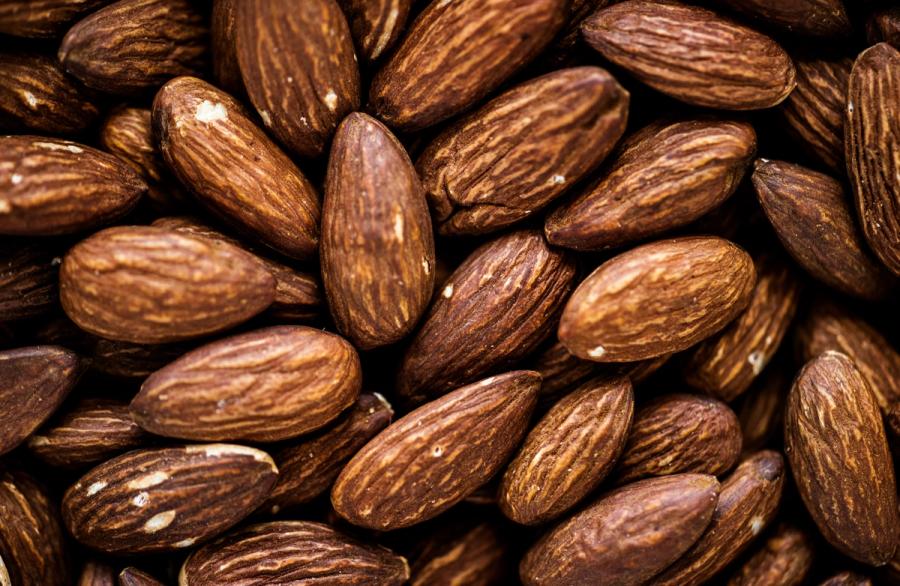
Almonds provide 25.6 mg of vitamin E per 100 g, using USDA's “Nuts, almonds” entry. Vitamin E helps protect cells from damage caused by free radicals, according to the NIH Office of Dietary Supplements. That biological role helps explain why nuts belong in a varied diet; the nutrient figure alone does not show how eating almonds will change someone's skin.
Chop almonds into oatmeal or sprinkle them over a salad for crunch. Hazelnuts are another option: the same USDA release lists 15.0 mg of vitamin E per 100 g. Avoid nuts that cause an allergic reaction, and do not treat a food recommendation as advice to take high-dose vitamin E supplements.
9. Sweet Potatoes
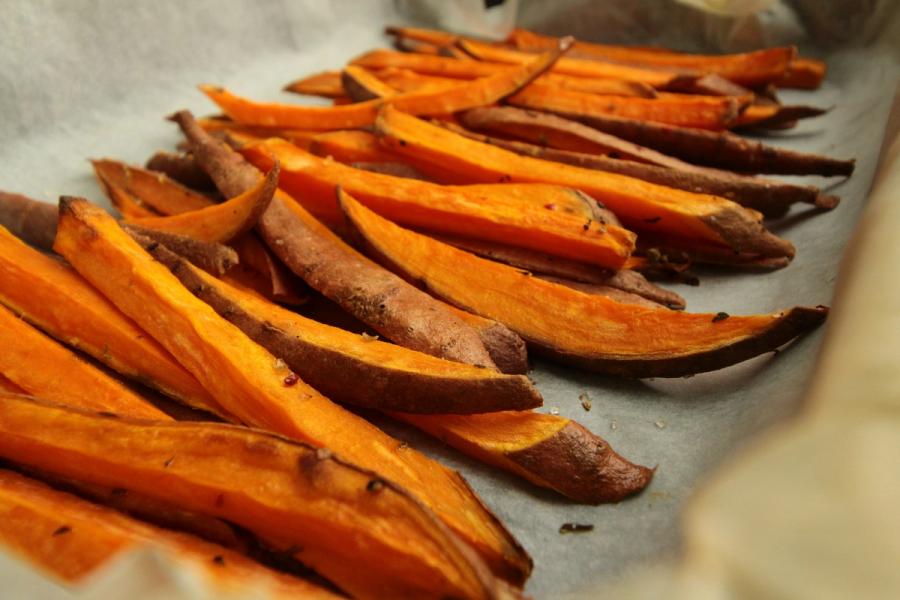
Baked sweet potato flesh supplies 961 mcg RAE of vitamin A per 100 g; this USDA entry is for flesh baked in its skin, without salt. RAE means retinol activity equivalents, a unit that accounts for the different forms of vitamin A. Orange-fleshed sweet potatoes contain beta-carotene, which the body can convert to vitamin A. MedlinePlus explains that vitamin A helps form and maintain healthy skin.
Bake a sweet potato and serve the soft flesh with beans, or cut it into wedges for a side dish. The nutrient number describes the specified flesh, not every recipe with added ingredients. Food beta-carotene does not cause the toxicity associated with too much preformed vitamin A, but high-dose supplements have separate risks.
8. Sardines
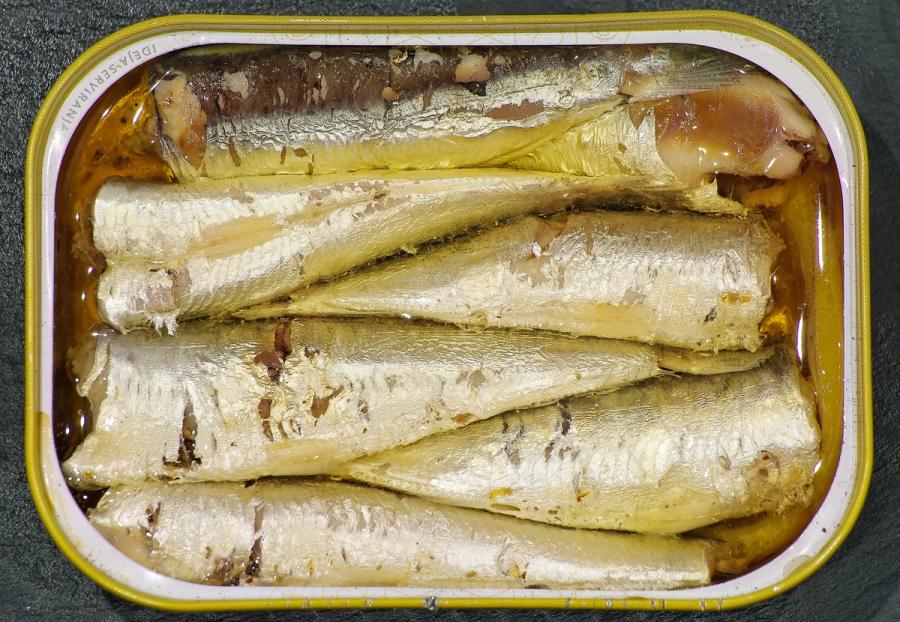
Atlantic sardines canned in oil, drained, with bone contain about 0.98 g of EPA plus DHA per 100 g. That is our sum of USDA's 0.473 g EPA and 0.509 g DHA, rounded to two decimal places. These are two types of omega-3 fat. Omega-3s are components of cell membranes. Their role in cell membranes does not establish a visible skin benefit from eating sardines.
Try drained sardines on toast with lemon, or fold them into a tomato sauce. The FDA and EPA list sardines as a “Best Choice” for mercury, making them one option when choosing lower-mercury fish. Their advice also covers amounts for children and people who are pregnant or breastfeeding. Avoid sardines if you have a fish allergy.
7. Tomatoes
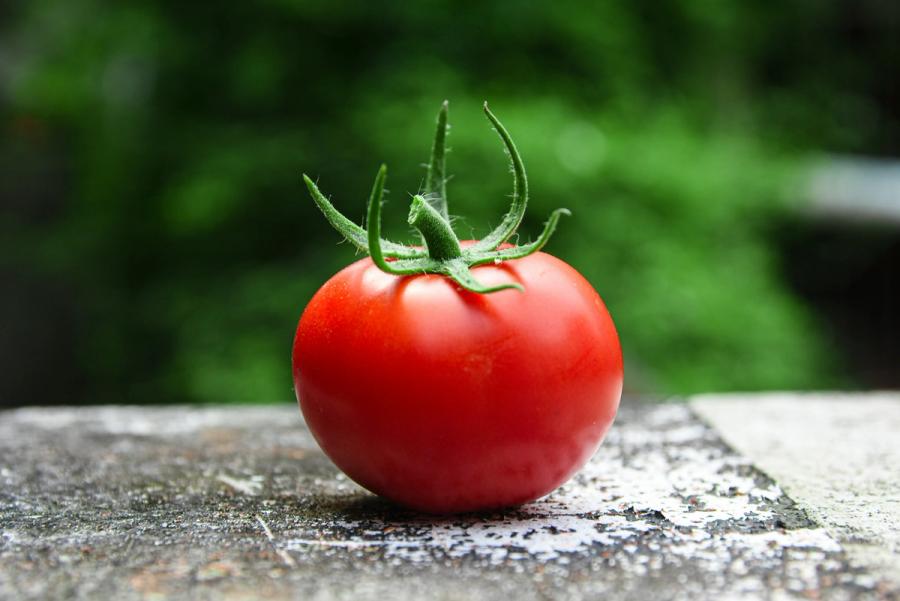
Raw red, ripe tomatoes contain 2,573 mcg of lycopene per 100 g. Lycopene is a plant pigment, not an essential vitamin. The skin research used tomato paste, so it cannot be applied directly to this raw-tomato figure. Small trials in 2001 and 2011 found less UV-induced redness on some measures after 10–12 weeks; the 2011 trial did not find a significant difference in its visual sunburn threshold. A 2015 trial found no protection. The evidence is mixed.
Enjoy tomatoes among other vegetables you can eat raw, or cook them into sauces. Neither preparation replaces sun protection: the American Academy of Dermatology recommends broad-spectrum, water-resistant SPF 30 or higher sunscreen, shade and protective clothing. Food is no substitute.
6. Sunflower Seeds
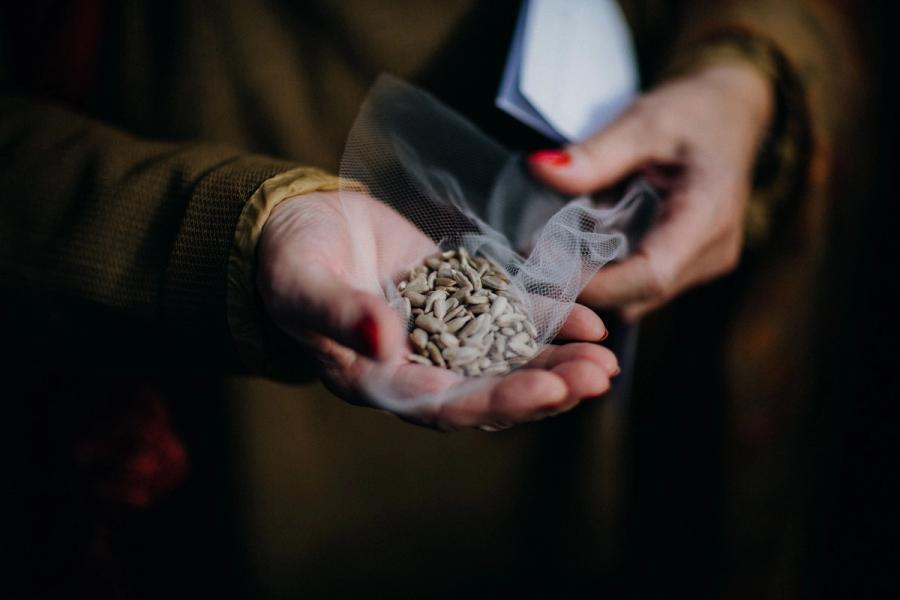
Dried sunflower seed kernels provide 35.2 mg of vitamin E per 100 g. The word “kernels” matters: this is the edible seed, with the shell removed. Preparation matters too. USDA lists 26.1 mg per 100 g for dry-roasted kernels without salt, so the two forms should not be treated as identical. Vitamin E's antioxidant role supports the nutritional reason for including seeds.
Scatter a spoonful over a salad, stir them into oatmeal, or use them to add crunch to roasted vegetables. Choose unsalted kernels if you want to avoid the salt added to salted varieties.
5. Pumpkin Seeds
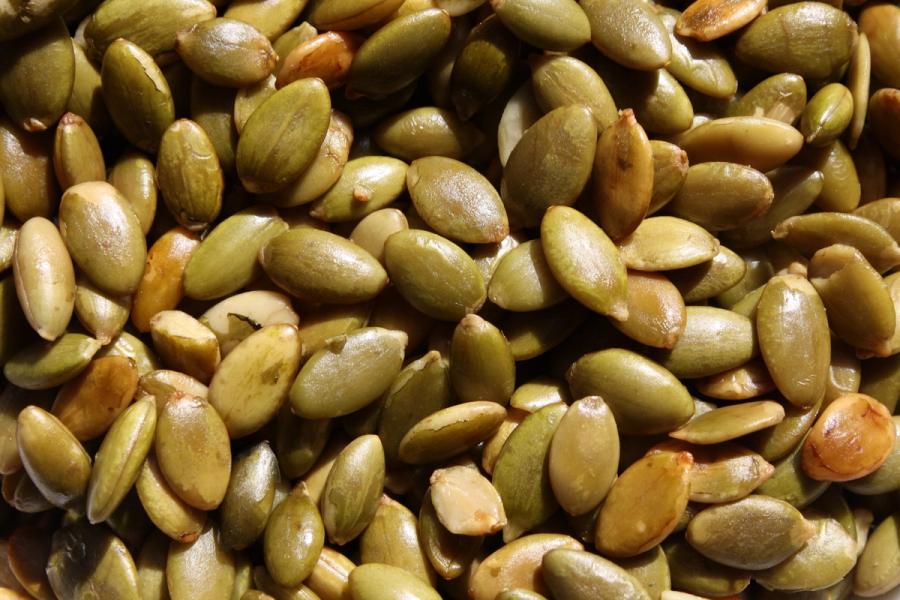
Roasted pumpkin and squash seed kernels without salt contain 7.64 mg of zinc per 100 g. These shelled seeds are often called pepitas. Zinc is needed for wound healing, and deficiency can cause skin changes and delayed healing. Seeds also contain phytates, compounds that reduce zinc absorption, so the amount listed in a food is not the amount your body necessarily absorbs.
Pepitas work well as a topping for soup, salads or roasted vegetables. Pair them with beans or other plant-based protein foods to vary the meal. Their zinc content is a reason to include them in a balanced diet, not to use them as treatment for a wound that will not heal. Extra zinc supplements are a separate decision: too much zinc can be harmful.
4. Oranges
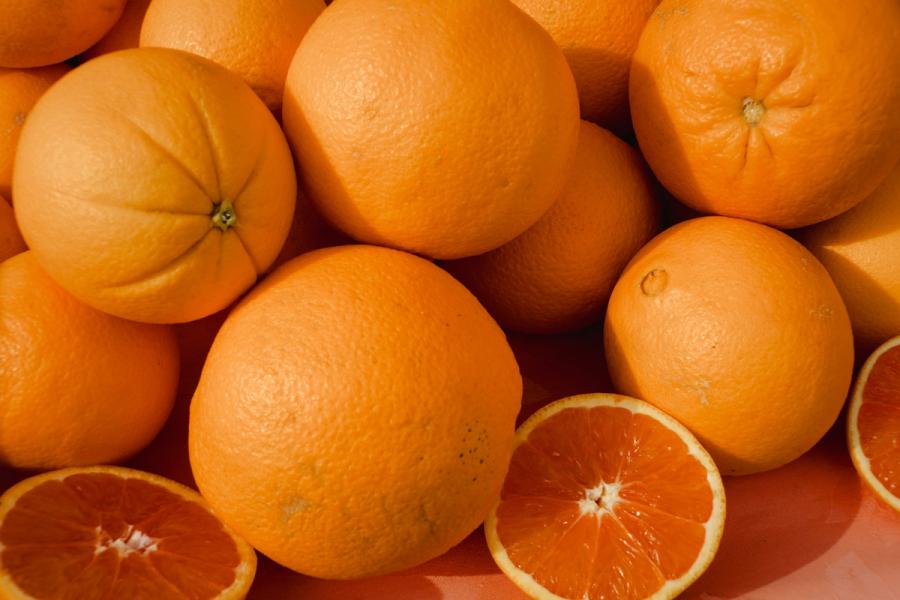
Raw oranges contain 53.2 mg of vitamin C per 100 g, in USDA's entry covering all commercial varieties. The body needs vitamin C to make collagen, a protein that helps provide structure to skin and other tissues. Severe vitamin C deficiency can cause scurvy, with symptoms that include poor wound healing and small spots of bleeding under the skin. Those deficiency effects do not mean that more vitamin C guarantees better-looking skin.
Peel an orange for a snack or add segments to a salad. The figure here is for the raw fruit, not a glass of juice or an orange-flavored drink.
3. Berries
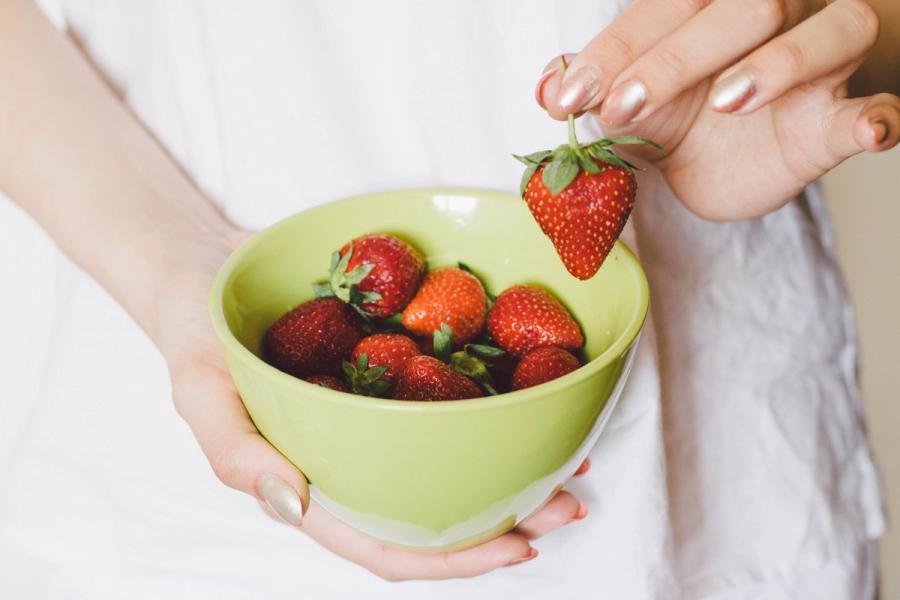
Raw strawberries provide 58.8 mg of vitamin C per 100 g. They represent berries in this table; the number should not be copied to blueberries, raspberries or a mixed-berry product. Their vitamin C contributes to the body's collagen production, but strawberries are not a proven treatment for wrinkles.
Slice fresh strawberries into plain yogurt, add them to breakfast, or eat them on their own. The raw-fruit number is not a figure for jam, syrup or a sweetened dessert. Choose berries you enjoy as part of a varied diet instead of treating one fruit as essential.
2. Avocados
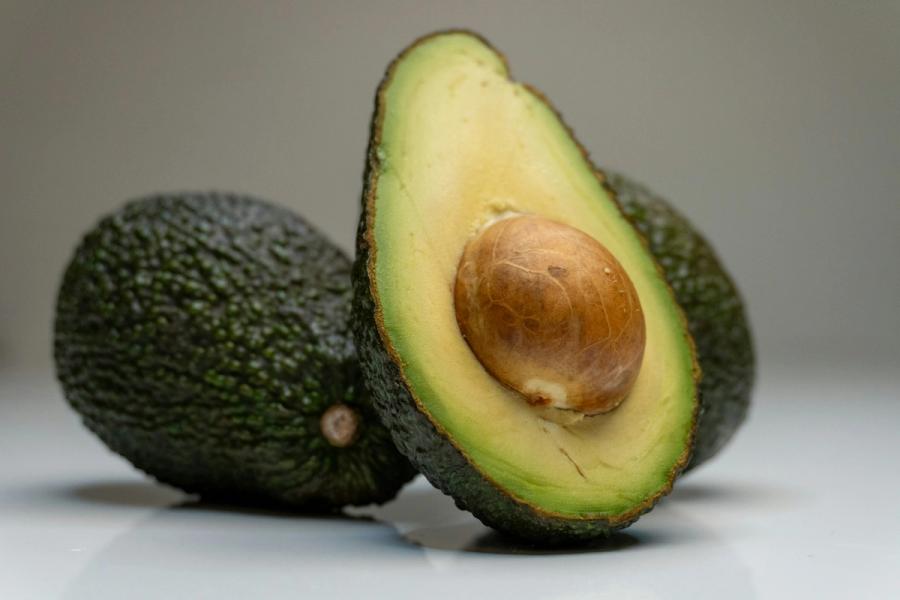
Raw avocados contain 9.8 g of monounsaturated fat per 100 g, rounded from USDA's 9.799 g. That makes them a different kind of entry from the vitamin C-rich fruits above. In a small 2005 study, adding avocado to salsa or salad increased absorption of carotenoids from the meal. Each study involved 11 people, and the researchers measured absorption, not changes in skin.
Add avocado slices to a tomato salad, mash some into a sandwich, or serve it with beans. These are practical ways to combine foods rather than relying on one ingredient. The absorption result helps explain how the fat in a meal can affect the uptake of some plant compounds.
1. Papaya
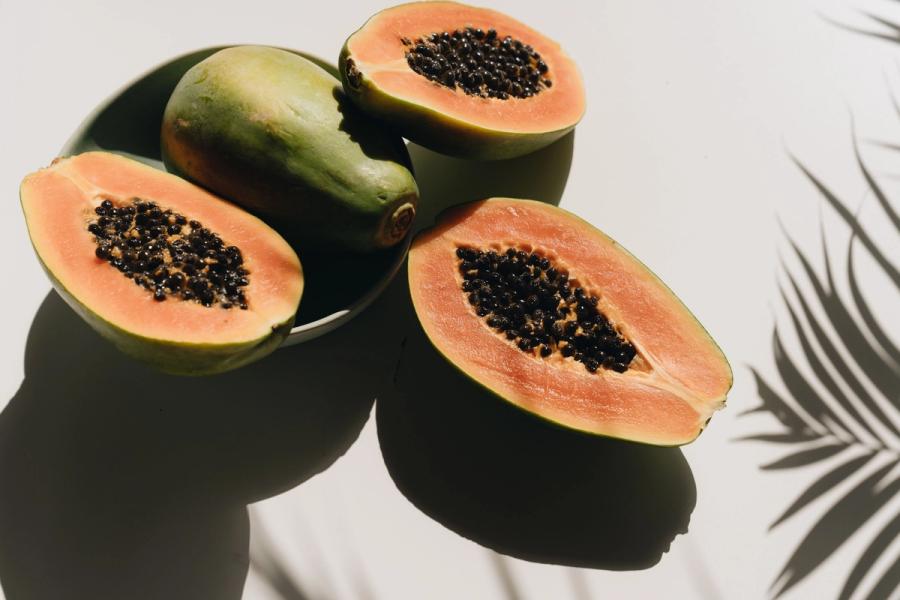
Raw papaya supplies 60.9 mg of vitamin C per 100 g. Like oranges and strawberries, it supplies vitamin C for collagen formation. The value describes an average in USDA's database, not a guarantee for every piece of fruit.
Cut a ripe papaya in half, scoop out the seeds and serve the flesh in slices or cubes. It can be eaten on its own or combined with other fruit.
This is general information, not a substitute for advice from a doctor or dermatologist.
SourcesSources are linked throughout the article. The main sources are listed below.
USDA Standard Reference Legacy release and downloadable data archive. NDB entries, in list order: 12061, 11508, 15088, 11529, 12036, 12016, 09200, 09316, 09037 and 09226. Additional comparisons: hazelnuts 12120 and dry-roasted sunflower kernels 12037. Sources for individual health claims are linked beside those claims.