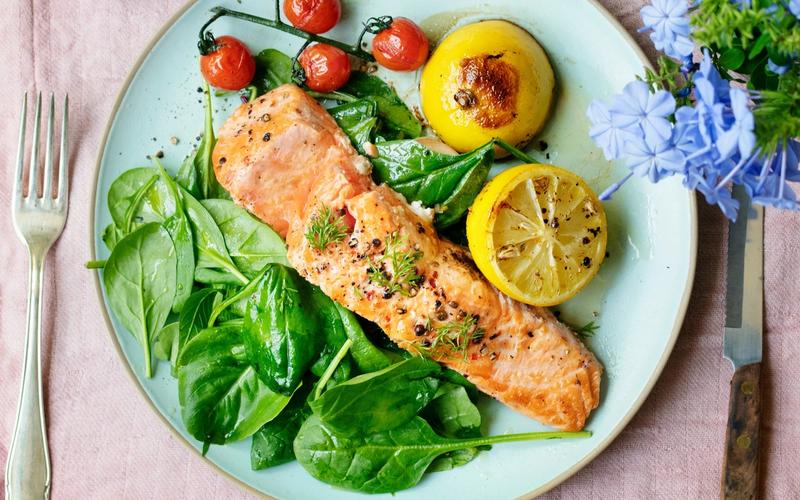
Rolled oats, baked sweet potato, plain yogurt, pumpkin seeds, pomegranate, sardines, lentils, broccoli, Brussels sprouts and spinach can add variety and useful nutrients to your meals. US intake data suggest about 80% of people fall below fruit recommendations and 89% fall below seafood recommendations.
Those figures describe food groups, not these individual foods or your own diet. The 2025 Dietary Guidelines Advisory Committee report compared US people aged one and older with the 2020–2025 recommendations.
How we chose these
We chose ten foods representing groups that many Americans under-eat; the numbers are an editorial countdown, not a healthiest-to-least-healthy ranking. The 2025–2030 Dietary Guidelines support variety across vegetables, fruit and protein foods.
Nutrient amounts come from USDA SR Legacy, April 2018, using the exact food forms below. The intake figures come from the advisory report released in December 2024; the 80% fruit figure is our subtraction from 20% meeting recommendations.
| No. | Food (form) | Food group | Standout nutrient per 100 g |
|---|---|---|---|
| 1 | Spinach, raw | Dark-green vegetables | Vitamin K: 482.9 micrograms |
| 2 | Brussels sprouts, raw | Other vegetables | Vitamin C: 85 mg |
| 3 | Broccoli, raw | Dark-green vegetables | Vitamin C: 89.2 mg |
| 4 | Lentils, boiled, unsalted | Beans, peas and lentils | Fiber: 7.9 g |
| 5 | Atlantic sardines, canned in oil, drained, with bones | Seafood | Calcium: 382 mg |
| 6 | Pomegranate arils, raw | Fruit | Fiber: 4.0 g |
| 7 | Pumpkin seed kernels, roasted, unsalted | Nuts, seeds and soy products | Magnesium: 550 mg |
| 8 | Yogurt, plain, whole milk | Dairy and fortified soy alternatives | Calcium: 121 mg |
| 9 | Sweet potato flesh, baked in skin, without salt | Red and orange vegetables | Vitamin A: 961 micrograms RAE |
| 10 | Rolled oats, dry, unfortified | Whole grains | Fiber: 10.1 g |
10. Rolled oats
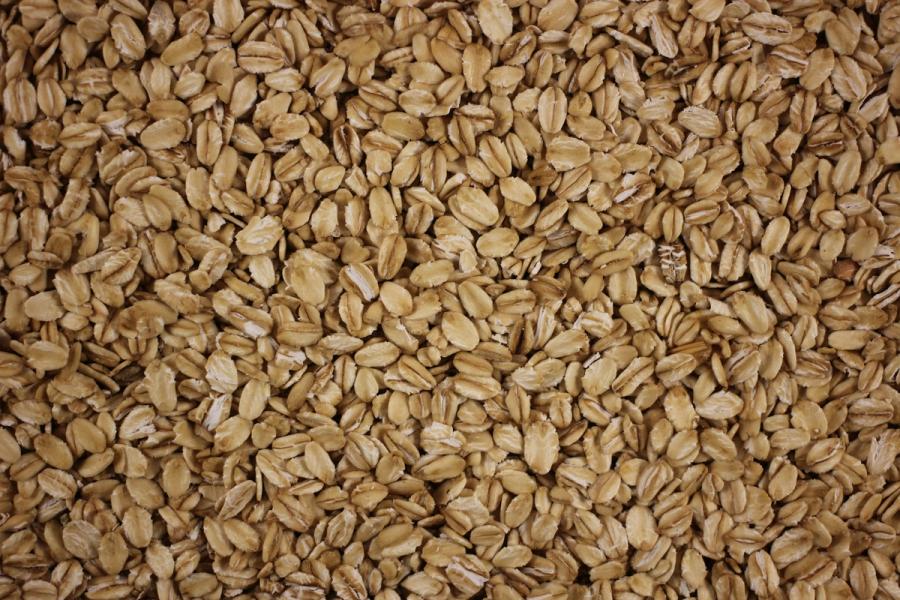
Dry rolled oats provide 10.1 g of fiber per 100 g in USDA's entry for regular and quick oats without fortification. This is the dry weight, not an equal portion of cooked porridge. Fiber helps digestion and can help prevent constipation. The advisory report indicates that about 98% of US people fell short of the recommendation to make at least half their grains whole grains; we calculated this from the 2% at or above that target.
Cook oats with water or milk, then add fruit or a spoonful of pumpkin seeds. If you have celiac disease, choose oats labeled gluten-free and discuss whether to include them with your doctor or dietitian. Oats commonly come into contact with gluten-containing grains during production, so an ordinary packet may not be suitable.
9. Baked sweet potato
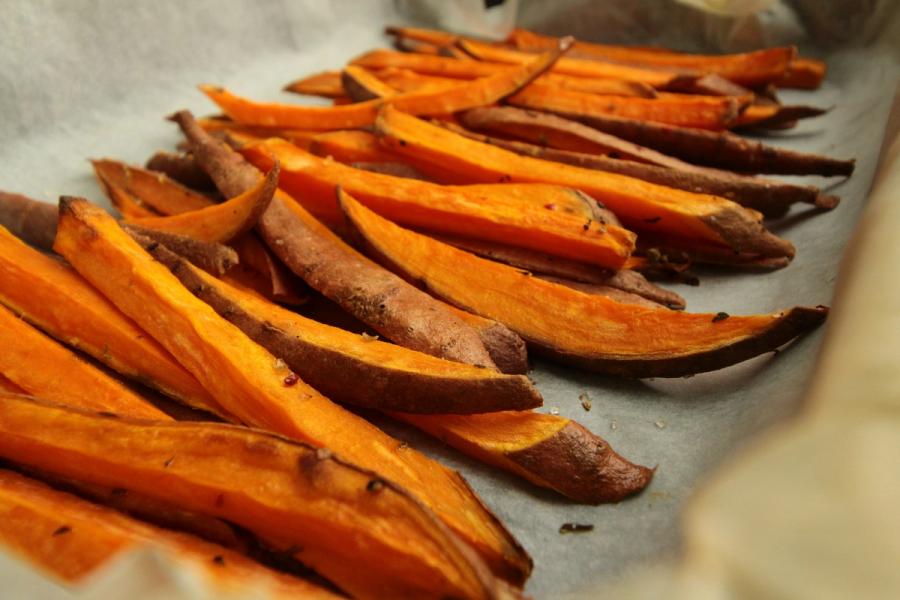
Sweet-potato flesh, baked in its skin without salt, provides 961 micrograms of vitamin A as retinol activity equivalents (RAE) per 100 g. That USDA entry excludes the skin and does not include toppings. Vitamin A supports normal vision and immune function. Sweet potatoes supply beta-carotene, which the body can turn into vitamin A; the RAE measure accounts for that conversion.
Red and orange vegetables were below recommendations for 93% of US people in the advisory report. Try baked sweet potato alongside lentils or fish, or mash the flesh into a soup. Getting beta-carotene from vegetables is different from taking high-dose vitamin A supplements, which can cause harm. A sweet potato is a food choice, not a reason to start a supplement.
8. Plain whole-milk yogurt

Plain whole-milk yogurt provides 121 mg of calcium per 100 g in USDA's reference entry. Calcium gives bones and teeth their structure and also helps muscles and nerves work. Plain yogurt is easy to pair with berries, stir into oats or mix with herbs for a dip. Check the label when comparing products: the figure here describes plain whole-milk yogurt, not every flavored or strained version.
The advisory report found only 12% of US people at or above recommendations for dairy and fortified soy alternatives, which means about 88% fell below them. That combined food-group figure does not mean everyone needs to eat yogurt. Choose a plain version and add fruit yourself if you like; the current Dietary Guidelines advise limiting added sugar, including in yogurt snacks.
7. Pumpkin seeds
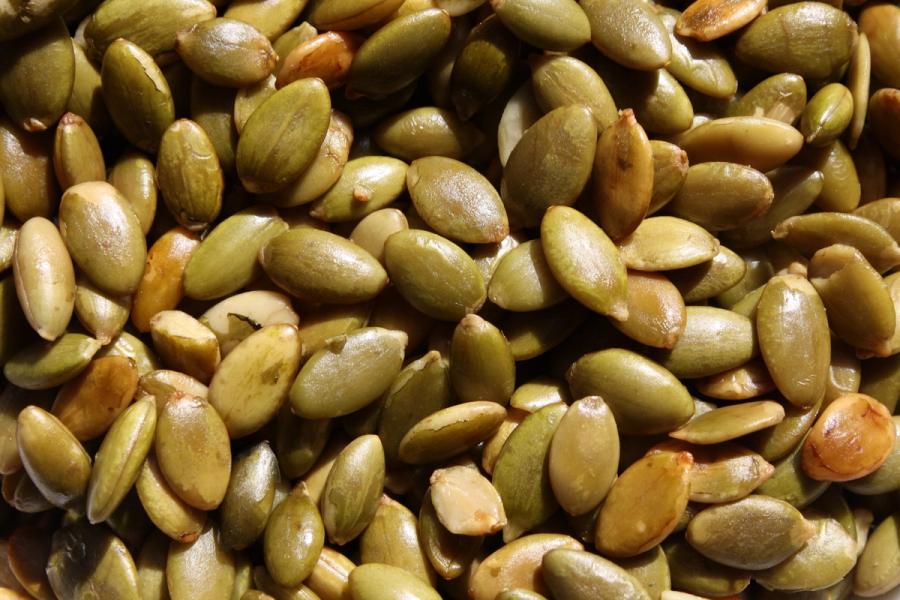
Roasted, unsalted pumpkin seed kernels provide 550 mg of magnesium per 100 g. Magnesium helps muscles and nerves work normally.
They belong to the combined nuts, seeds and soy products group, which 60% of US people fell short of in the advisory report.
Sprinkle a small handful of shelled kernels over yogurt, oatmeal or soup. They are energy-dense: USDA lists 574 calories per 100 g, so this comparison amount is not a portion recommendation.
6. Pomegranate
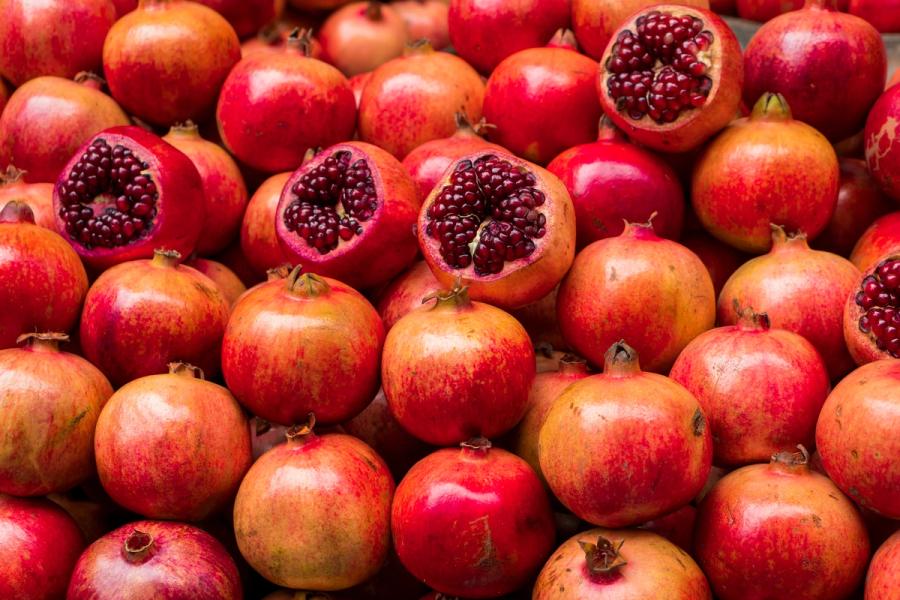
Raw pomegranate arils provide 4 g of fiber and 10.2 mg of vitamin C per 100 g. Arils are the juicy red pieces surrounding the seeds, not the tough outer peel.
Pomegranate counts toward the fruit group. Spoon the arils over yogurt or scatter them into a salad for a sweet, tart crunch.
5. Sardines
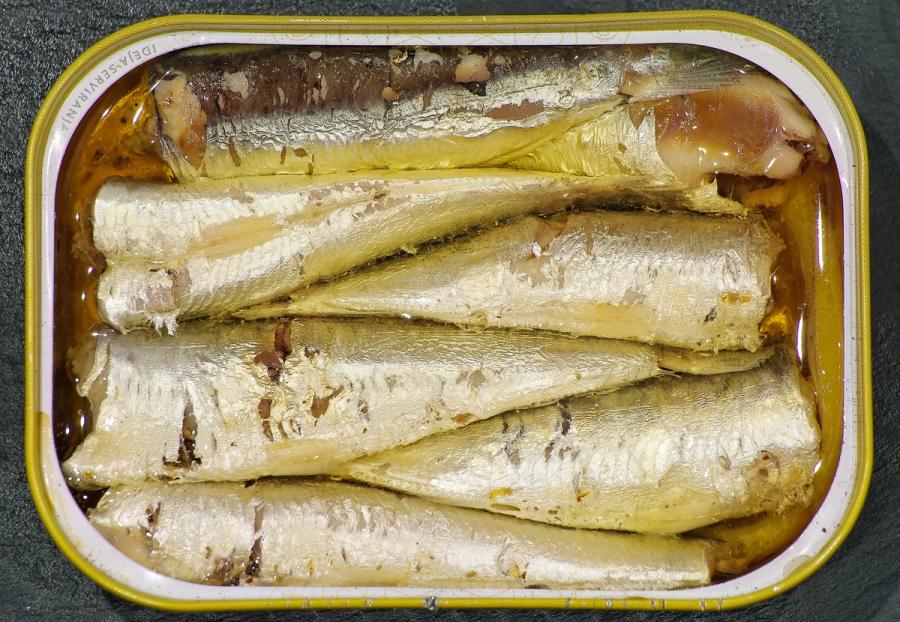
Oil-packed Atlantic sardines, drained with bones, contain 382 mg of calcium and 4.8 micrograms of vitamin D per 100 g. Calcium supports bones and teeth, while vitamin D helps the body absorb calcium.
The soft edible bones contribute calcium; boneless products will not necessarily match these figures. The same USDA entry supplies 24.6 g of protein per 100 g.
Mash canned sardines onto toast with lemon, or fold them into a tomato salad. FDA/EPA lists sardines as a lower-mercury “Best Choice”; avoid them if you have a fish allergy.
4. Lentils
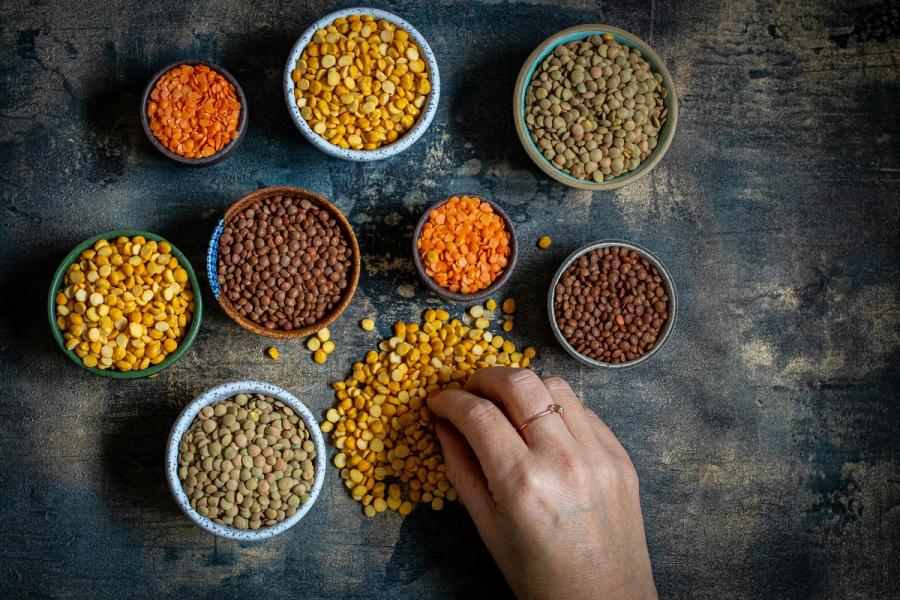
Boiled lentils without added salt provide 7.9 g of fiber and 9.0 g of protein per 100 g. They also supply 181 micrograms of folate as dietary folate equivalents in that amount.
Folate helps the body make DNA and divide cells. Beans, peas and lentils were below recommendations for 83% of US people in the advisory report.
Stir cooked lentils into soups, salads or tomato sauce. They are one of our plant-based protein sources.
3. Broccoli
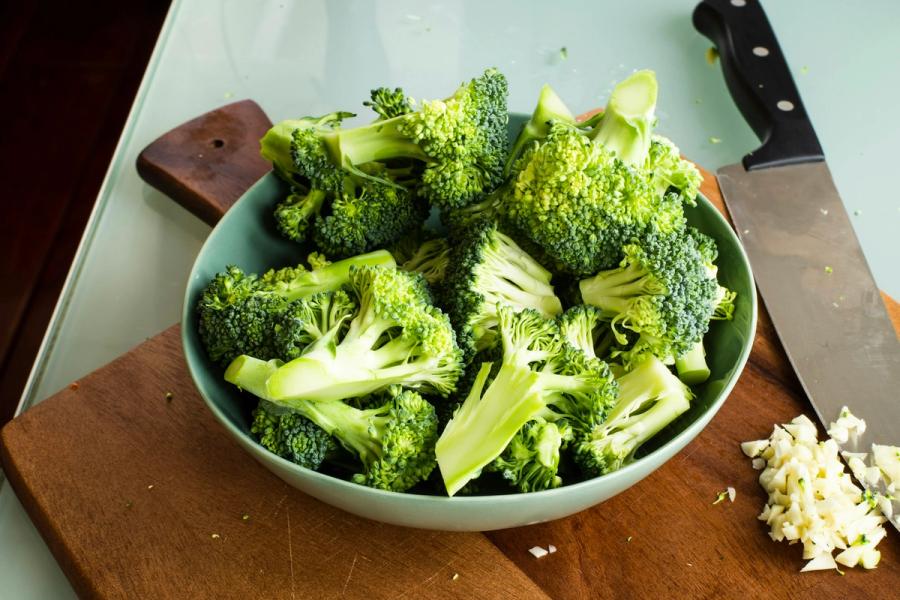
Raw broccoli provides 89.2 mg of vitamin C and 2.6 g of fiber per 100 g. Vitamin C helps form collagen and improves absorption of iron from plant foods.
Broccoli belongs to the dark-green vegetable subgroup. Cut washed florets small for dipping, or steam them as a side; cooking changes the nutrient amounts shown here.
For other crunchy options, compare our vegetables you can eat raw.
2. Brussels sprouts
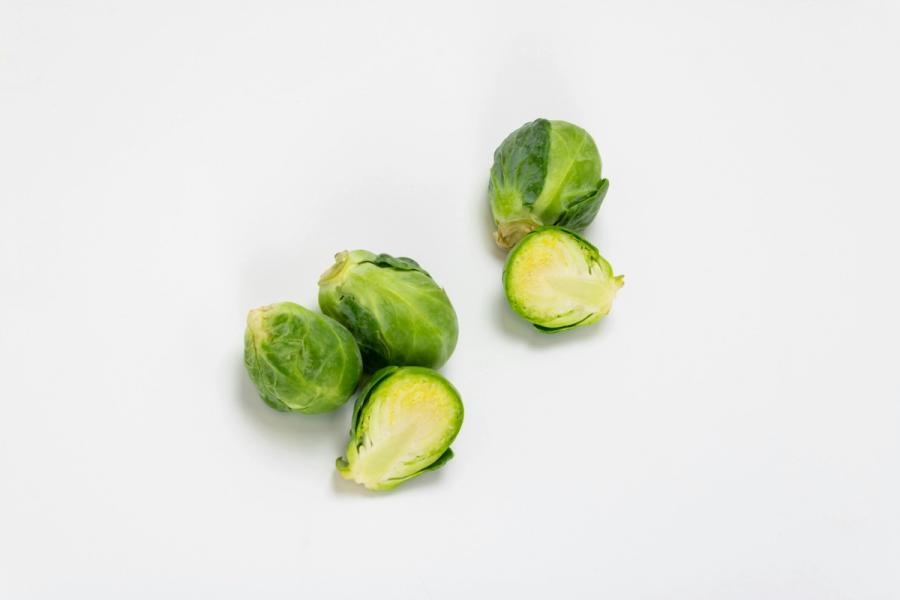
Raw Brussels sprouts contain 85 mg of vitamin C and 3.8 g of fiber per 100 g. Despite their green color, dietary guidance places them in the “other vegetables” subgroup.
Trim and halve them, then roast until tender, or finely shred washed sprouts into a slaw. The USDA numbers above describe raw sprouts, not an equal weight after roasting.
1. Spinach
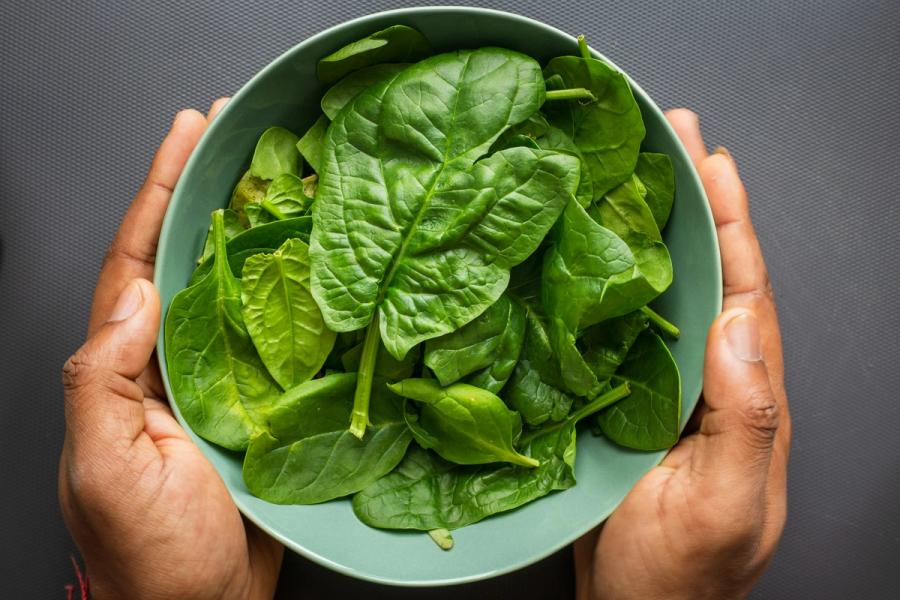
Raw spinach provides 482.9 micrograms of vitamin K and 194 micrograms of folate as dietary folate equivalents per 100 g. Vitamin K is needed for normal blood clotting.
Add washed leaves to sandwiches or stir them into a soup near the end of cooking. If you take warfarin, keep vitamin K intake consistent and discuss major diet changes with your prescriber.
Spinach represents dark-green vegetables here. Explore our broader healthy-foods selection for more variety.
Preparing these foods safely
Rinse fresh produce under running water before cutting or peeling it; do not use soap or detergent. Greens labeled prewashed or ready-to-eat do not need rewashing. Keep produce separate from raw meat and refrigerate precut items.
This is general information, not a substitute for advice from a doctor or registered dietitian.
SourcesSources are linked throughout the article. The main sources are listed below.
- Scientific Report of the 2025 Dietary Guidelines Advisory Committee — released December 10, 2024; Part D, Chapter 1, pages 9–13, intake relative to 2020–2025 targets; Chapter 10, page 15, vegetable subgroups.
- USDA SR Legacy, April 2018: official catalogue; data archive. NDB entries: 12016, 09286, 15088, 16070, 11090, 11098, 11457, 08120, 11508 and 01116.