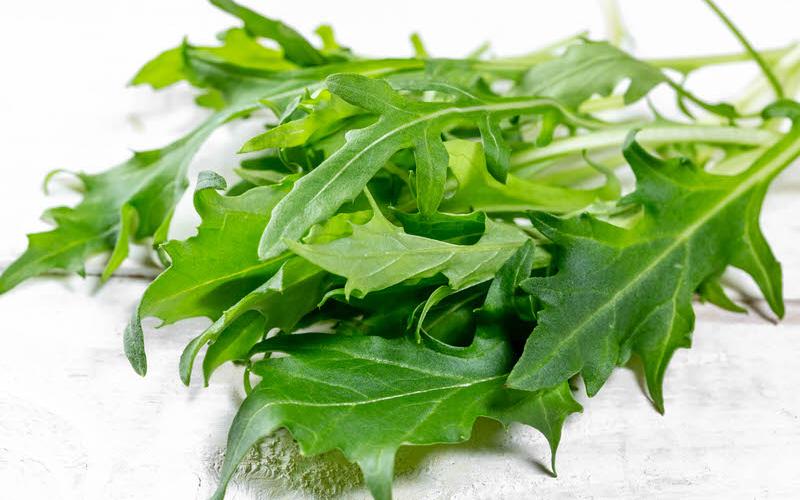
No single food is the healthiest: a varied diet brings together vegetables, fruits, whole grains, nuts, seafood and beans. These ten everyday foods offer useful nutrients, from the fiber in chickpeas to vitamin E in almonds.
Choose foods you enjoy and can use regularly, whether that means oats at breakfast, beans in a salad or fish with vegetables. The mix across your meals matters more than any one ingredient.
How we chose these
We chose ten examples from food groups encouraged by the Dietary Guidelines for Americans, using USDA nutrient data and NIH or FDA guidance to explain what each offers. This is an editorial list, and the numbers are not an order of healthiness. The table uses 100 g of the named food form for consistency; that is a comparison weight, not a recommended serving, and your needs may differ.
| No. | Food (form) | Food group | Standout nutrient (per 100 g) |
|---|---|---|---|
| 1 | Almonds, raw | Nuts | Vitamin E: 25.6 mg |
| 2 | Apple, raw, with skin | Fruit | Fiber: 2.4 g |
| 3 | Avocado, raw | Fruit | Fiber: 6.7 g |
| 4 | Walnuts, English | Nuts | Fiber: 6.7 g |
| 5 | Salmon, Atlantic, farmed, cooked with dry heat | Seafood | EPA + DHA: about 2.15 g |
| 6 | Rolled oats, unfortified, dry | Whole grains | Fiber: 10.1 g |
| 7 | Spinach, raw | Vegetables | Vitamin K: 482.9 mcg |
| 8 | Sweet potato flesh, baked in skin, without salt | Vegetables | Vitamin A: 961 mcg RAE |
| 9 | Banana, raw | Fruit | Potassium: 358 mg |
| 10 | Chickpeas, boiled, without salt | Beans, peas and lentils | Fiber: 7.6 g |
10. Chickpeas
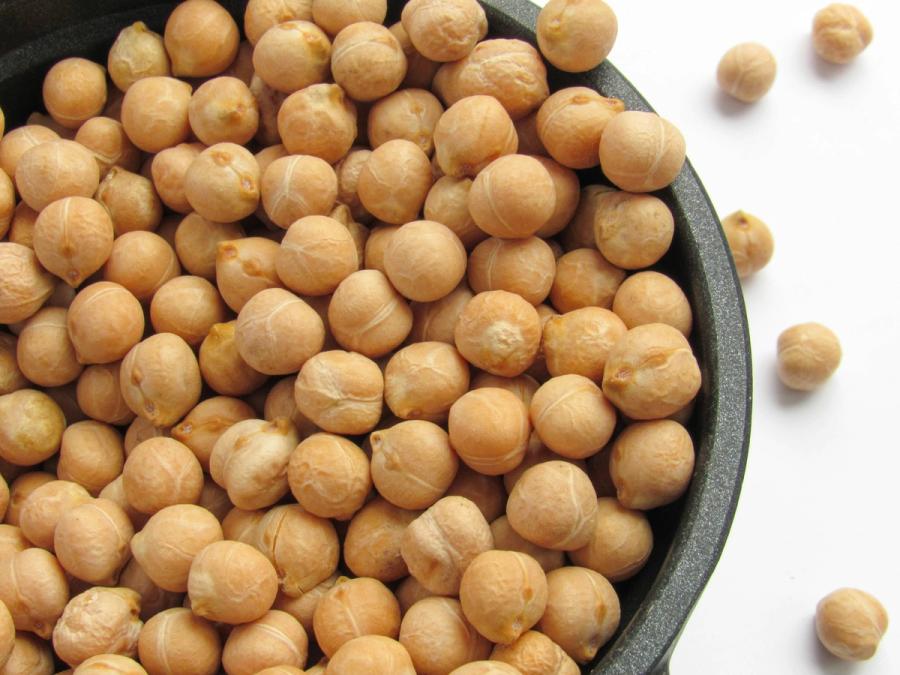
Chickpeas, boiled without salt, provide 7.6 g of fiber and 8.9 g of protein per 100 g. They also supply 172 mcg DFE of folate, a vitamin your body needs to make DNA and help cells divide. That combination makes them a useful ingredient when you want a meal built around beans and vegetables.
Fold cooked chickpeas into a tomato salad, add them to a stew or mash them with lemon for a sandwich filling. Our guide to plant-based protein sources offers other options to rotate into meals. The figures here describe boiled chickpeas without salt; canned chickpeas and prepared hummus have their own nutrition labels, so check the product you actually use.
9. Bananas
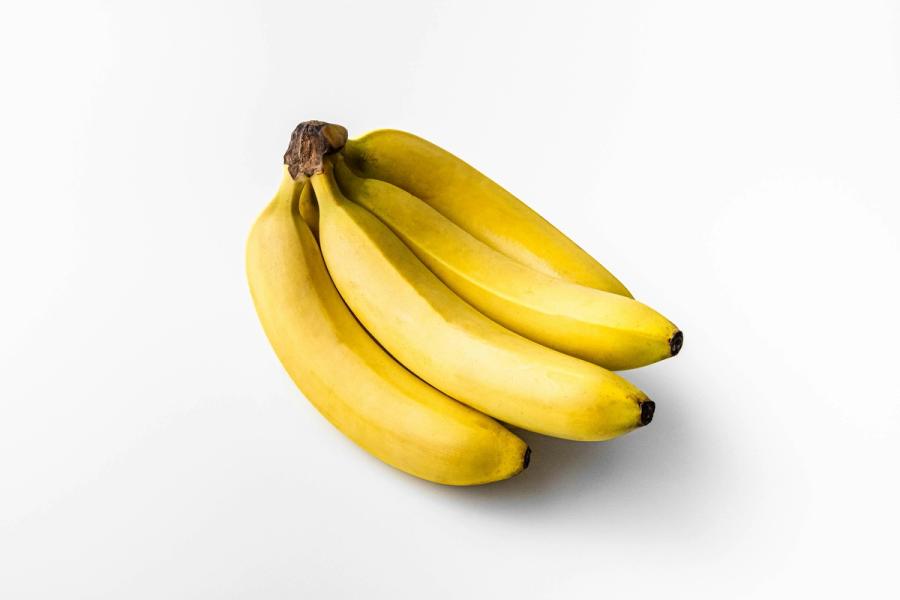
A raw banana provides 358 mg of potassium per 100 g. Using USDA's 118 g weight for a medium banana, that works out to about 422 mg of potassium—our calculation. Potassium helps nerves and muscles work, but bananas are one source among many, alongside beans, potatoes and other fruits and vegetables.
The peel makes a banana easy to carry as a snack. Slice one over plain oats or yogurt, or freeze peeled pieces to blend into a smoothie. A medium fruit is only a guide to size; smaller and larger bananas contain different amounts. If kidney disease affects your potassium balance, follow your clinician's advice about portions rather than assuming more potassium is always better.
8. Sweet Potatoes
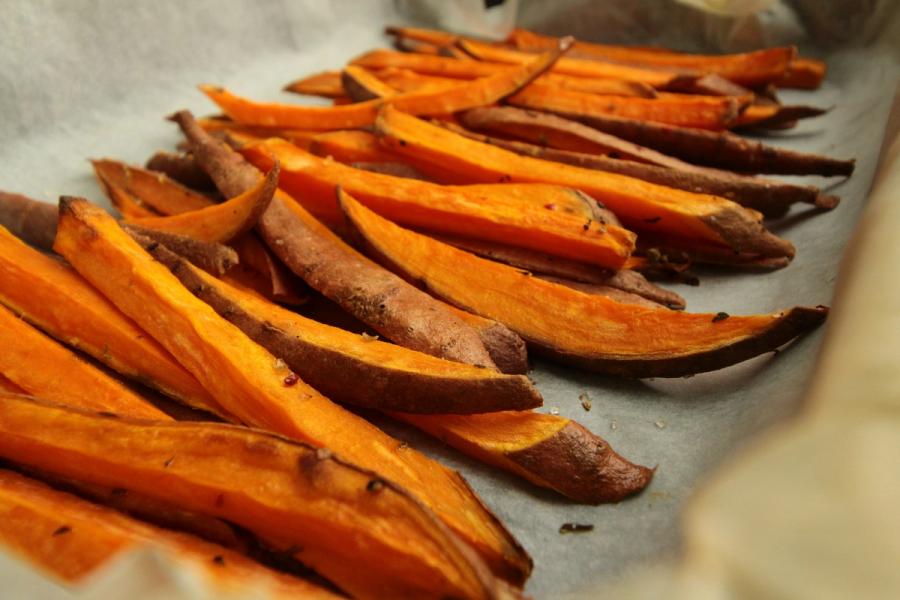
Sweet potato flesh, baked in its skin without salt, supplies 961 mcg RAE of vitamin A per 100 g. The orange flesh contains beta-carotene, which the body can convert to vitamin A. That vitamin supports normal vision and immune function. The same USDA portion has 3.3 g of fiber and 475 mg of potassium; these measurements cover the flesh, not the skin.
Bake a sweet potato until soft and serve it with chickpeas, spinach and a spoonful of plain yogurt, or roast wedges with herbs. Its natural sweetness works in savory meals without a sugary topping. It is also among our healthy foods worth adding to meals, with simple ways to use other everyday ingredients.
7. Spinach
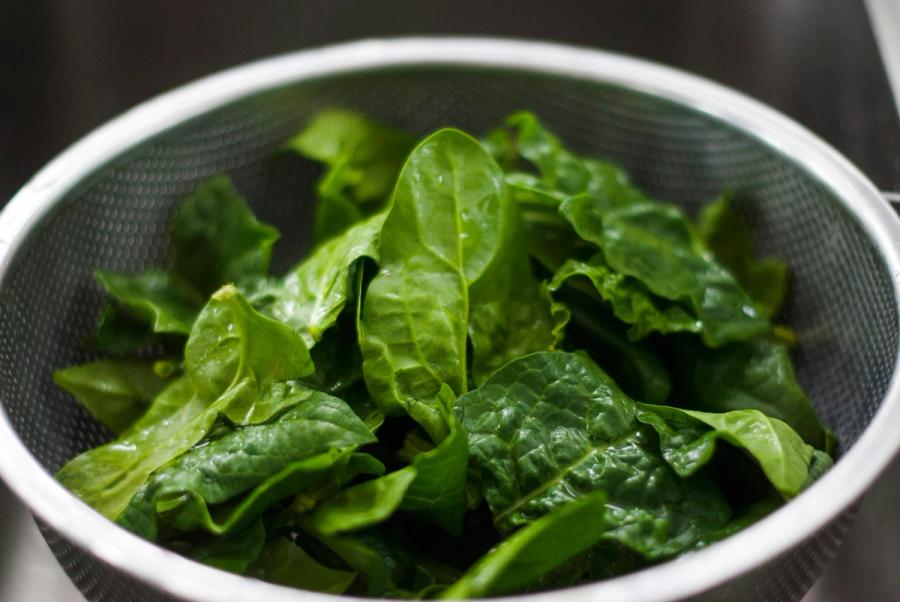
Raw spinach contains 482.9 mcg of vitamin K per 100 g, although a cup weighs only about 30 g in USDA's portion data. Vitamin K helps with normal blood clotting and bone health. Raw spinach also provides 194 mcg DFE of folate per 100 g, giving a small bowl of leaves more to offer than crunch alone.
Use tender leaves in a sandwich or salad, or stir them into a soup near the end of cooking. For more salad ingredients, see our guide to vegetables you can eat raw. If you take warfarin, keep your vitamin K intake consistent and discuss dietary changes with your care team; you do not need to cut out leafy greens automatically.
6. Rolled Oats
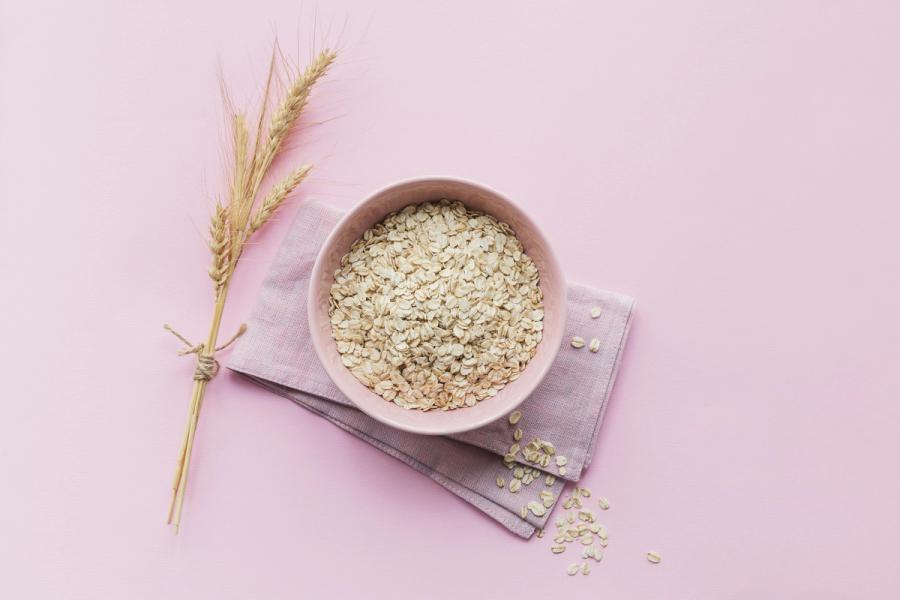
Plain, unfortified rolled oats contain 10.1 g of fiber and 13.2 g of protein per 100 g dry. That dry weight also provides 379 calories. Water or milk added during cooking changes the weight and composition of the finished bowl, so these figures should not be read as the amounts in 100 g of cooked porridge.
Keep a bag of plain oats for hot porridge, overnight oats or a spoonful stirred into yogurt. Add banana slices or chopped apples for flavor, with nuts if you can eat them. Plain oats let you choose the additions yourself; sweetened instant packets have different ingredients and nutrient values. As with the other foods here, there is no need to eat the full 100 g comparison amount.
5. Salmon
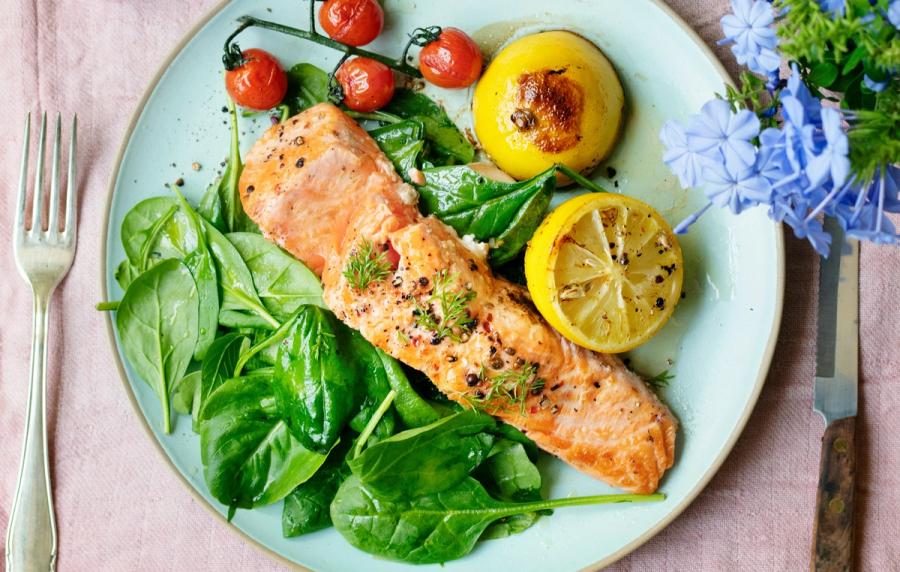
Farmed Atlantic salmon, cooked with dry heat, contains about 2.15 g of EPA and DHA combined per 100 g—our sum of USDA's two omega-3 values. It also provides 22.1 g of protein and 13.1 mcg of vitamin D. Species, farming method and preparation affect the numbers, so these figures describe that particular cooked form.
Salmon is a low-mercury “Best Choice” in FDA/EPA fish advice. That advice is especially useful when choosing fish during pregnancy or breastfeeding and for children. Try a baked fillet with lemon, vegetables and a whole grain. If you have a fish allergy, avoid salmon; fish and tree nuts are major food allergens, so this list needs adapting to your own allergies.
4. Walnuts
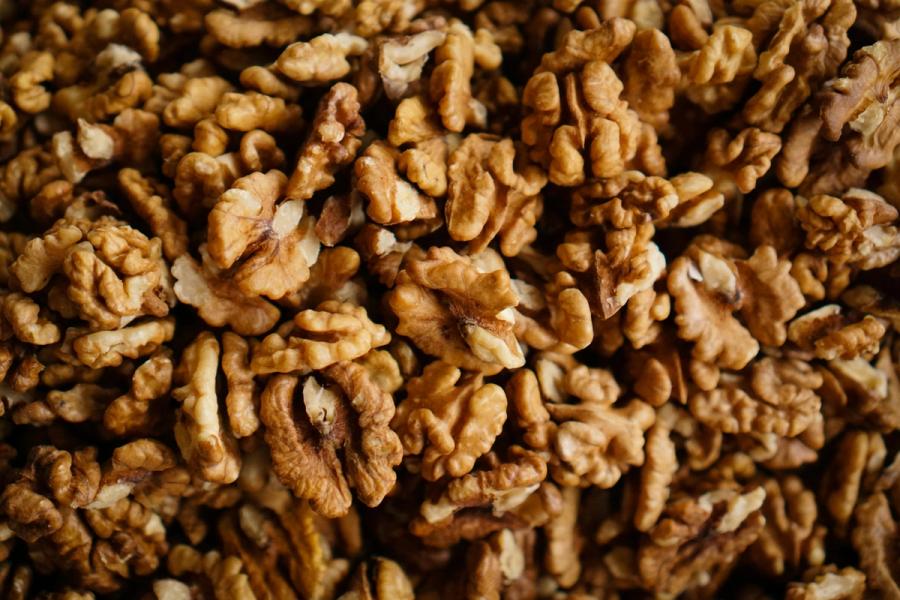
English walnuts provide 2.57 g of ALA omega-3 per ounce, according to NIH's Office of Dietary Supplements. ALA is a different omega-3 from the EPA and DHA in salmon. Walnuts also contain 6.7 g of fiber per 100 g in USDA data. An ounce, about 28 g, has roughly 185 calories—our calculation—so a small handful is a useful starting portion.
The FDA's qualified walnut claim calls the research “supportive but not conclusive”: 1.5 ounces a day may reduce coronary heart disease risk when the diet is low in saturated fat and cholesterol, without increasing total calories. Chop walnuts over oats or use them in place of another snack to fit that context. Avoid them if you are allergic to walnuts.
3. Avocados
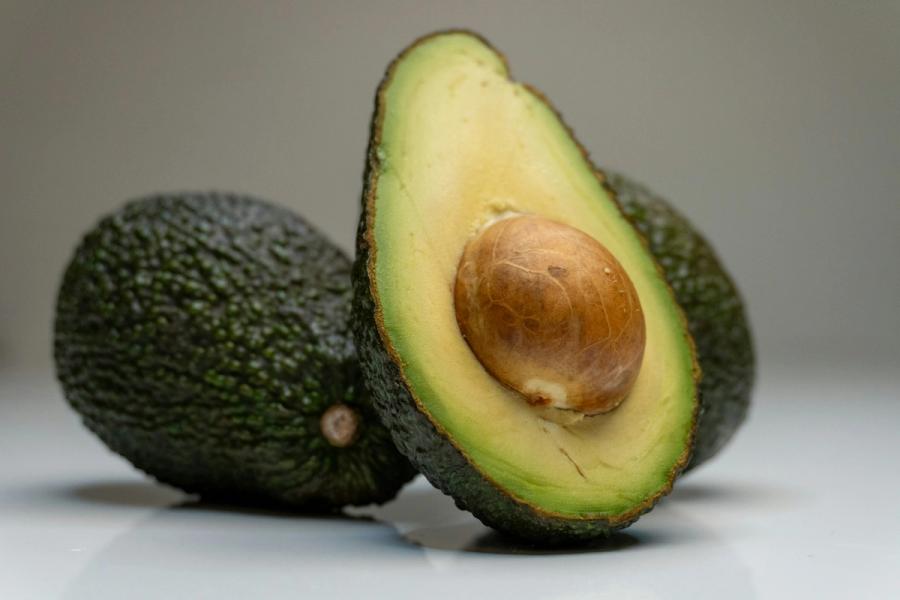
Raw avocado provides 6.7 g of fiber and 9.8 g of monounsaturated fat per 100 g. Monounsaturated fat makes up most of its 14.7 g of total fat. MedlinePlus advises replacing saturated fats with unsaturated fats, rather than simply adding more fat to a meal. The Dietary Guidelines say saturated fat should generally supply no more than 10% of daily calories.
Mash avocado onto toast in place of butter, or dice it into a bean and tomato salad. Its creamy texture also works in a lemon dressing. Avocado size varies widely, so the per-100 g figures are more useful than treating every half as the same portion. That amount provides 160 calories; choose a portion that fits the rest of your meal.
2. Apples
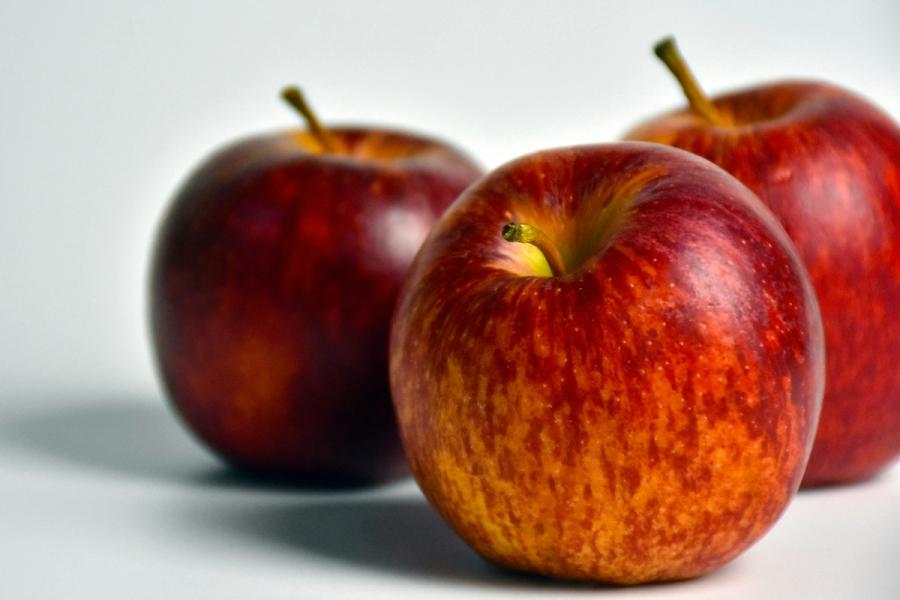
A raw apple with its skin provides 2.4 g of fiber per 100 g. A medium apple weighing 182 g has about 4.4 g of fiber—our calculation using USDA's portion weight. By comparison, unsweetened apple juice in USDA record 09016 has 0.2 g of fiber per 100 g. If fiber is the goal, the whole fruit offers much more than the juice.
Keep an apple for a snack or chop it into oats, yogurt or a cabbage salad, leaving the skin on if you enjoy it. Dietary fiber helps prevent constipation; build up your intake gradually if you are used to eating little of it. Apples can be one part of that change, alongside beans, whole grains and vegetables.
1. Almonds
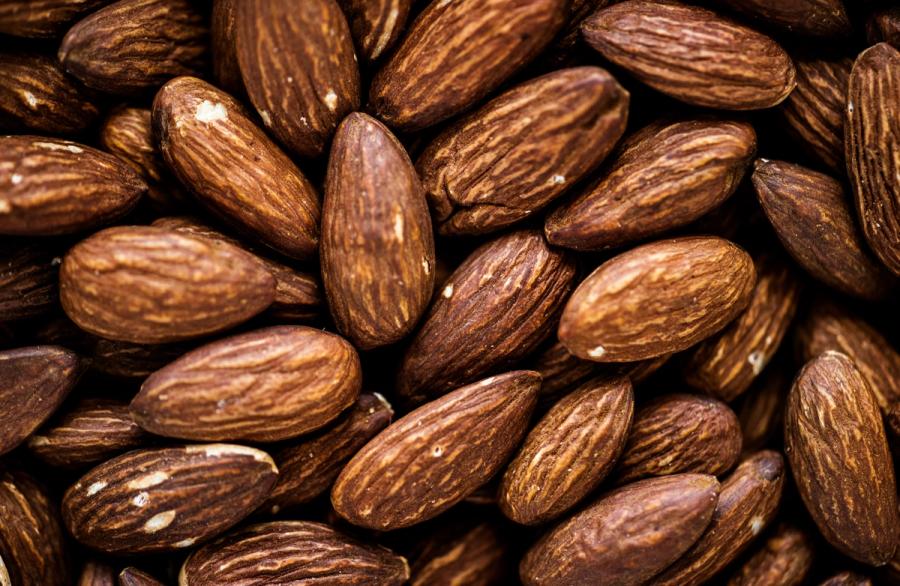
Raw almonds contain 25.6 mg of vitamin E per 100 g, or about 7.3 mg per ounce, roughly 28 g—our calculation. Vitamin E acts as an antioxidant and supports immune function. The same 100 g of raw almonds supplies 270 mg of magnesium and 12.5 g of fiber, but also 579 calories. A small handful is more practical than eating the full comparison weight.
The FDA's qualified claim for nuts says evidence “suggests but does not prove” that 1.5 ounces a day of most nuts, including almonds, may reduce heart disease risk within a diet low in saturated fat and cholesterol. Try chopped almonds on yogurt or oats, replacing another topping. They also feature in our food guide to hair nutrition. Avoid almonds if you are allergic to them.
This is general information, not a substitute for advice from a doctor or registered dietitian.
SourcesSources are linked throughout the article. The main sources are listed below.
- USDA National Nutrient Database for Standard Reference, Legacy Release: food records 12061, 09003, 09037, 12155, 15237, 08120, 11457, 11508, 09040 and 16057; apple juice comparison 09016. Values describe the edible portion in the stated form. Portion conversions and the EPA + DHA sum are our calculations.
- Dietary Guidelines for Americans, 2025–2030: food groups and overall eating pattern. Sources for individual nutrient functions, health claims and precautions are linked beside those statements above.