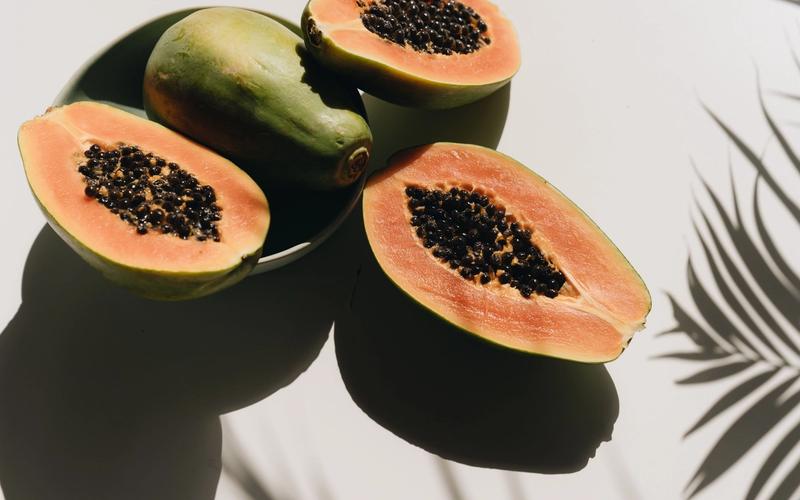
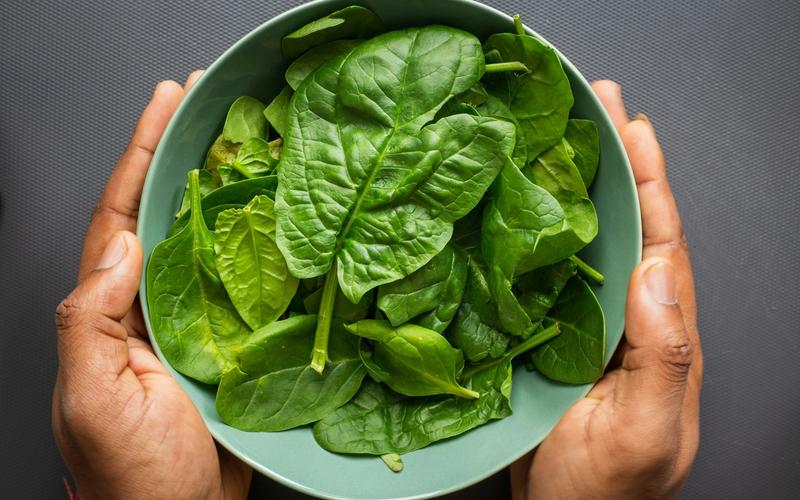
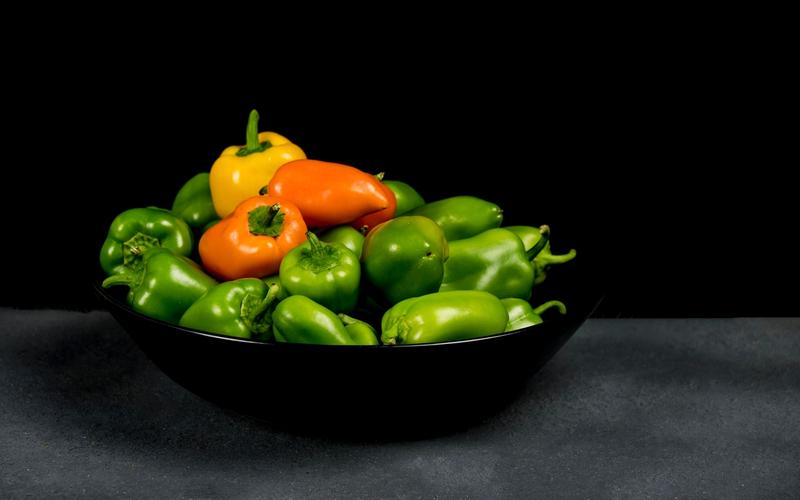
Raw spinach leads the leafy-green group in this list with 12,198 mcg of lutein and zeaxanthin per 100 g. The ten foods supply nutrients studied in eye-health research or needed for normal vision, but they do not replace eye care or prescribed treatment.
How we chose these
This is an editorial selection of everyday foods grouped by nutrients studied in NEI's AREDS and AREDS2 trials, plus vitamin A, which is needed for normal vision. Foods descend by the named nutrient within each group; the order of the groups is editorial, not a clinical ranking or a comparison of health benefits. These foods do not reproduce the tested supplement formula, and the trials do not prove that eating a particular food prevents or treats AMD.
The figures come from USDA SR Legacy for the preparations stated. Portions are our calculations from USDA portion weights; 100 g is a comparison amount, not a recommended serving.
| No. | Food (form) | Standout nutrient per 100 g |
|---|---|---|
| 1 | Spinach, raw | Lutein + zeaxanthin: 12,198 mcg |
| 2 | Kale, boiled, drained, no salt | Lutein + zeaxanthin: 4,983 mcg |
| 3 | Whole egg, hard-boiled | Lutein + zeaxanthin: 353 mcg |
| 4 | Red bell pepper, raw | Vitamin C: 127.7 mg |
| 5 | Oranges, raw | Vitamin C: 53.2 mg |
| 6 | Sunflower seed kernels, dried | Vitamin E: 35.17 mg |
| 7 | Almonds, unroasted | Vitamin E: 25.63 mg |
| 8 | Pacific oysters, cooked, moist heat | Zinc: 33.24 mg |
| 9 | Sweet potato, baked in skin, flesh, no salt | Vitamin A: 961 mcg RAE |
| 10 | Carrots, raw | Vitamin A: 835 mcg RAE |
10. Carrots
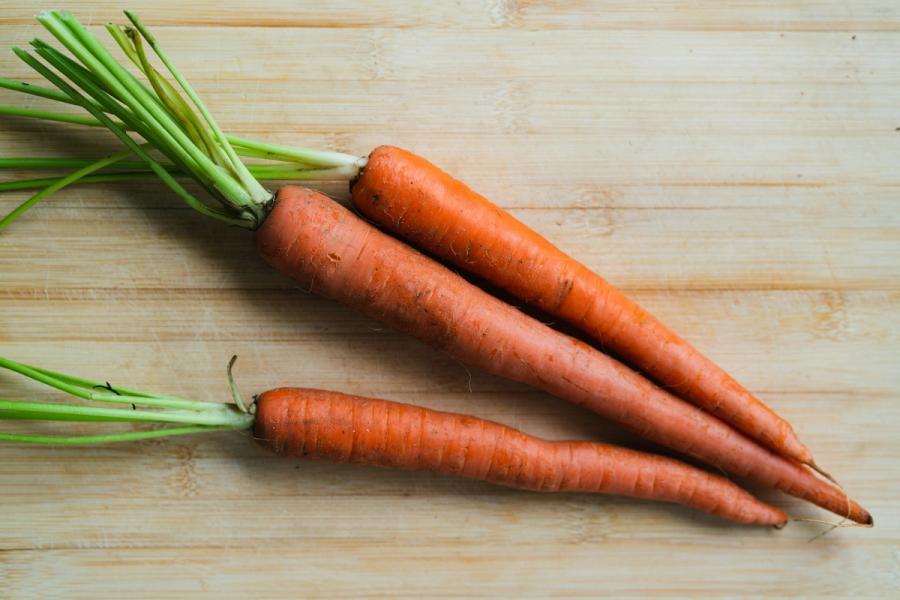
Raw carrots provide 835 mcg of vitamin A RAE per 100 g. Vitamin A helps the retina respond to light and supports the normal functioning of the cornea, according to NIH's Office of Dietary Supplements. Carrots supply provitamin A carotenoids, including beta-carotene, which the body can convert into vitamin A. A medium carrot (61 g) provides about 509 mcg RAE.
Grate carrots into a salad, cut them into sticks, or shave them into ribbons with a vegetable peeler. Their crisp texture works well beside softer foods such as eggs or cooked grains. Vitamin A deficiency can cause night blindness, but that is a reason to seek proper assessment and treatment, rather than relying on a particular vegetable to correct a vision problem.
9. Sweet potato
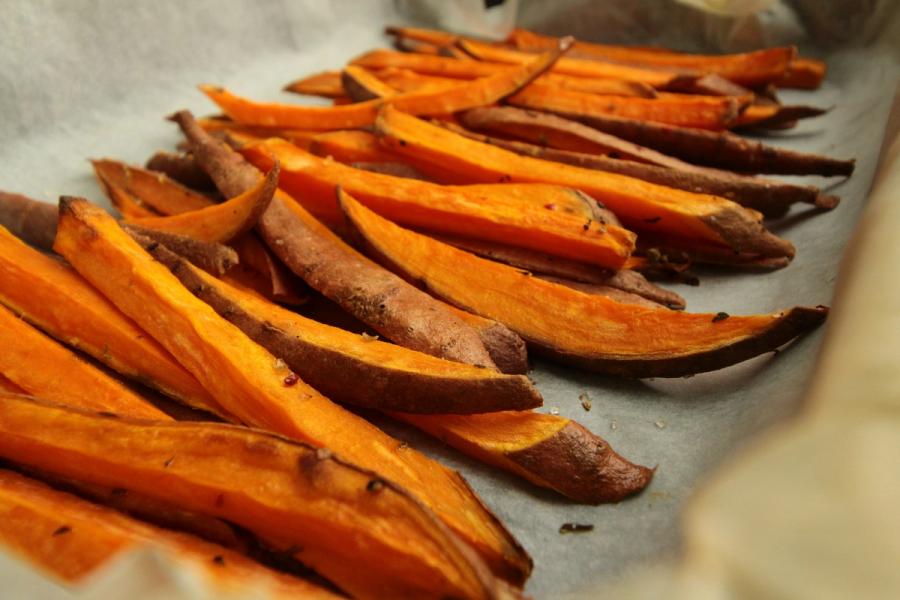
Baked sweet potato flesh supplies 961 mcg of vitamin A RAE per 100 g, more than the raw carrots compared here. The USDA record is for sweet potato baked in its skin, with the flesh measured and no salt added. RAE means retinol activity equivalents, a way to account for the different vitamin A activity of retinol and the carotenoids the body converts into it.
A medium sweet potato in this record weighs 114 g and provides about 1,096 mcg RAE. Split a baked sweet potato and serve the soft flesh with cooked vegetables, or mash it as part of a meal. The same 100 g of flesh contains 3.3 g of fiber. Our healthiest foods list offers more ingredients to combine with it for variety.
8. Pacific oysters
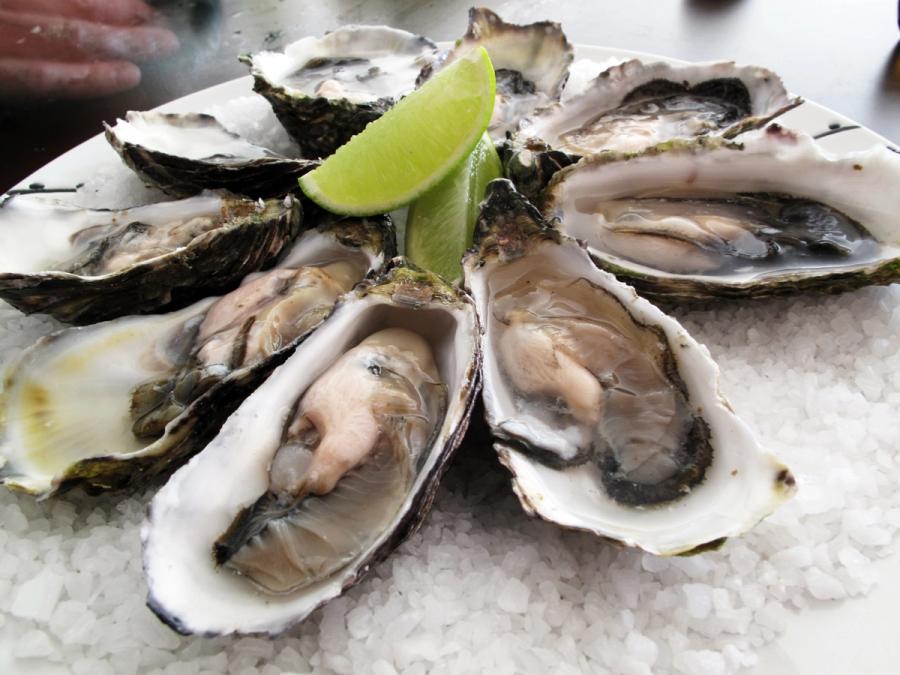
FDA advises thorough cooking because raw oysters can carry Vibrio vulnificus bacteria, which can cause severe illness, especially in people with certain underlying health conditions. Hot sauce and alcohol do not make raw oysters safe. The cooked oysters can be served with rice and vegetables, with the portion measured after cooking.
Pacific oysters cooked with moist heat contain 33.24 mg of zinc per 100 g, along with 2.679 mg of copper. A 3-ounce portion (85 g) provides about 28.3 mg of zinc. Zinc was one component of the AREDS supplement formula; copper was included to reduce the risk of copper deficiency associated with high zinc intake.
7. Almonds
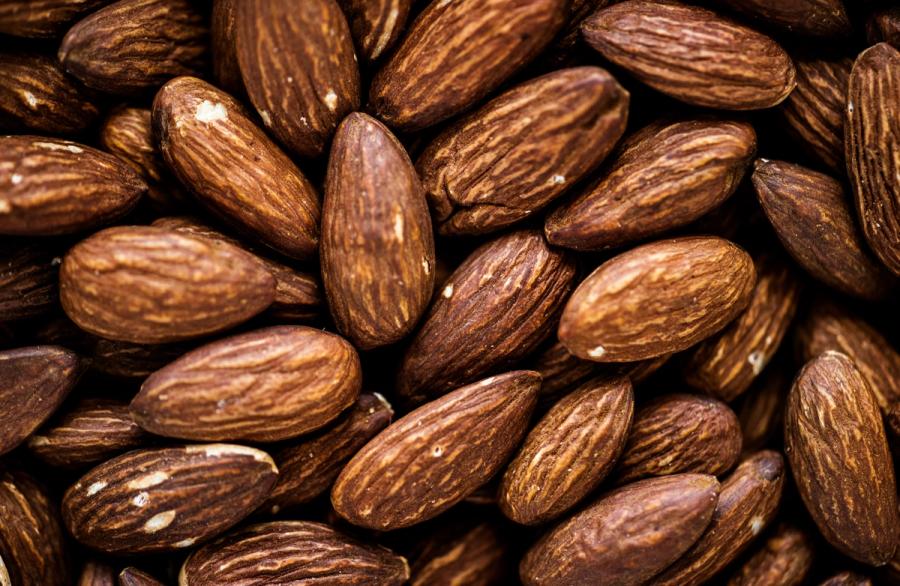
Almonds contain 25.63 mg of vitamin E per 100 g in USDA's unroasted record. This is alpha-tocopherol, the form recognized as meeting human vitamin E requirements. NIH describes vitamin E as an antioxidant involved in protecting cells from free-radical damage. Vitamin E was also part of the supplement combinations studied in AREDS, alongside other vitamins and minerals.
A 1-ounce portion (28.35 g), roughly 23 whole almonds, supplies about 7.3 mg of vitamin E and 164 calories. Chop a measured portion over oatmeal, add sliced almonds to a salad, or eat a small handful as a snack. Plain, unsalted almonds offer the same crunchy ingredient without added salt. Our nutritious nuts guide compares them with other common nuts.
6. Sunflower seed kernels
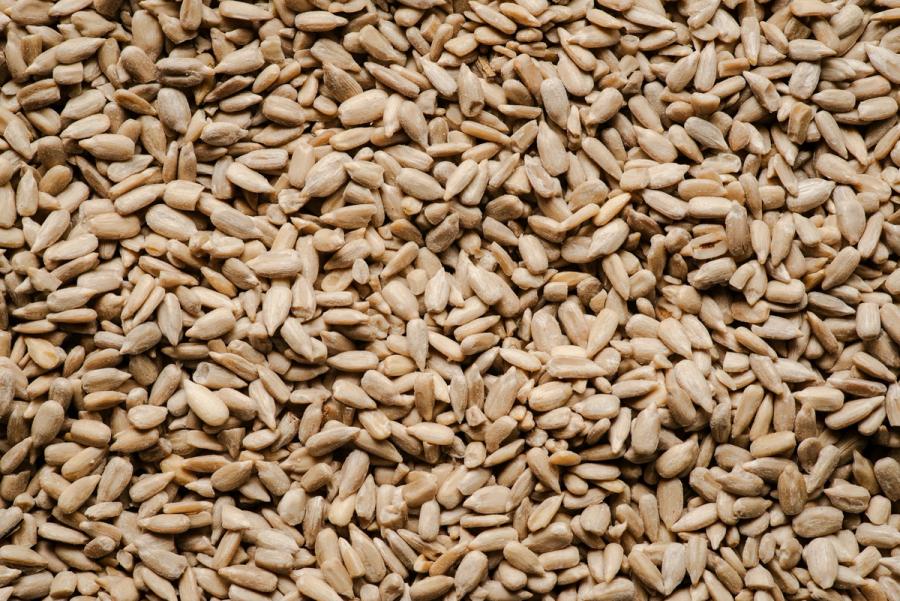
Dried sunflower seed kernels provide 35.17 mg of vitamin E per 100 g, placing them above almonds within this vitamin E group. These figures refer to the edible kernels after the shells are removed. They also contain 20.78 g of protein per 100 g in the same USDA record. A 1-ounce portion (28.35 g) gives about 10.0 mg of vitamin E.
Sprinkle a small handful of kernels over a salad, stir some into plain yogurt, or add them to a bowl of grains and vegetables. Their size makes it easy to spread a little crunch throughout a dish. Choose kernels rather than seeds still in their striped shells when measuring a portion to eat. The table uses dried kernels; salted or roasted products have their own labels and nutrient values.
5. Oranges
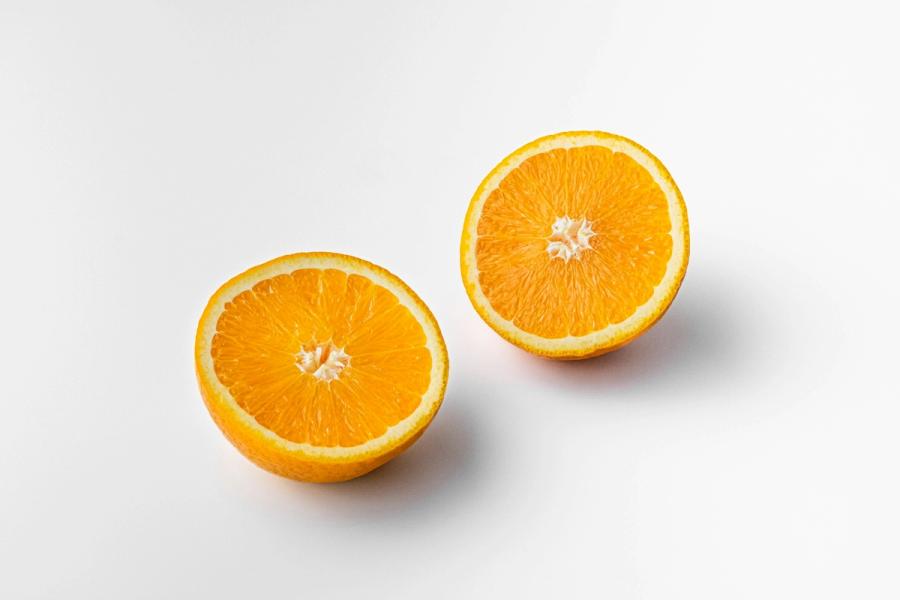
Oranges provide 53.2 mg of vitamin C per 100 g of raw fruit. Vitamin C helps the body make collagen, a protein in connective tissue, and also has an antioxidant role, according to NIH's vitamin C fact sheet. It was one of the vitamins included in the AREDS formulas, which were studied as combinations for specific patients.
A medium orange (131 g of edible fruit) contains about 69.7 mg of vitamin C. Peel one into segments for a snack, add the segments to a spinach salad, or serve them beside breakfast. The fruit also provides 2.4 g of fiber per 100 g. These figures are for whole raw oranges, so use the relevant label or record if you are comparing juice, canned fruit, or another orange product.
4. Red bell pepper
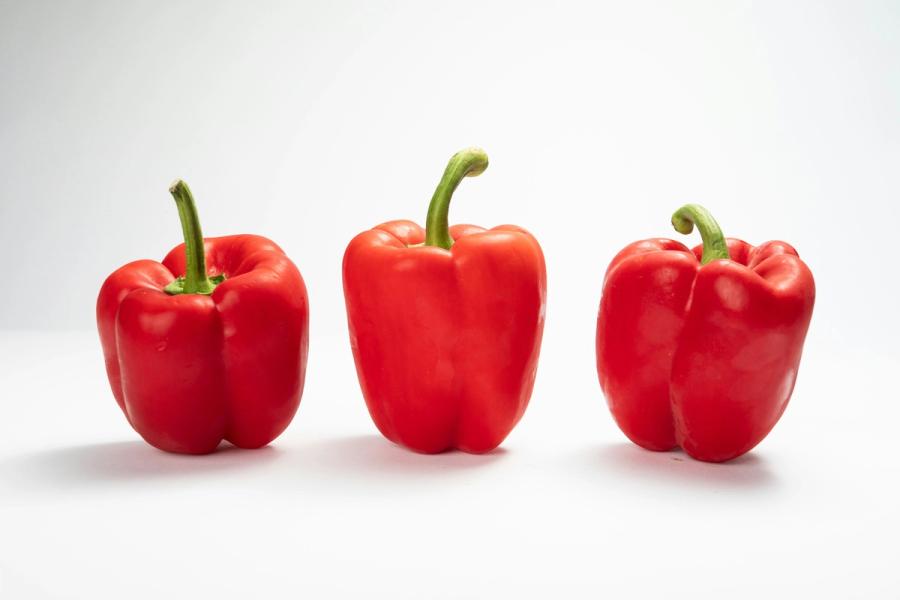
Raw red bell pepper contains 127.7 mg of vitamin C per 100 g, more than the oranges in this selection. It also supplies 157 mcg of vitamin A RAE in the same USDA record. Half a cup of chopped pepper (about 75 g) provides about 95.1 mg of vitamin C. That amount is based on USDA's 149 g weight for a full chopped cup.
Cut a red pepper into strips for a snack, dice it into a salad, or combine it with spinach and chopped hard-boiled egg. Its bright color and crisp bite make it easy to use alongside the leafy greens on this list. The vitamin C value is for raw pepper: cooking can reduce vitamin C, so it is worth keeping the stated preparation in mind when comparing food records.
3. Hard-boiled eggs
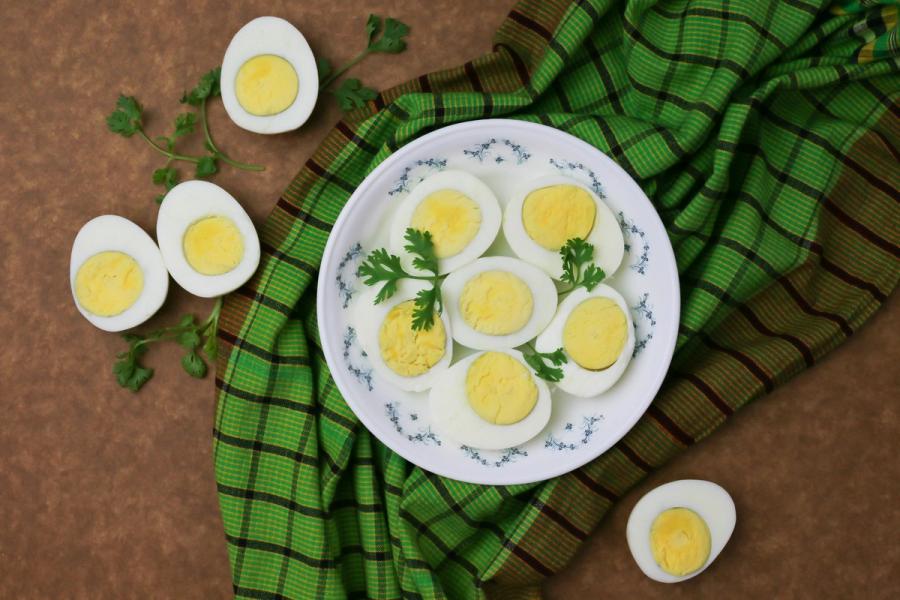
Whole hard-boiled eggs contain 353 mcg of lutein and zeaxanthin per 100 g. That is much less than either of the leafy-green entries here. These carotenoids are found in the retina and lens, as NEI explains. Both the firm white and the yellow center are included in these whole-egg figures.
A large hard-boiled egg (50 g) supplies about 177 mcg of lutein and zeaxanthin and 6.3 g of protein. Slice one over a spinach salad, chop it into a sandwich filling, or serve halves beside raw pepper strips. Those combinations offer several of the foods in this list within an ordinary meal. The firm yolk and white hold their shape when sliced.
2. Kale
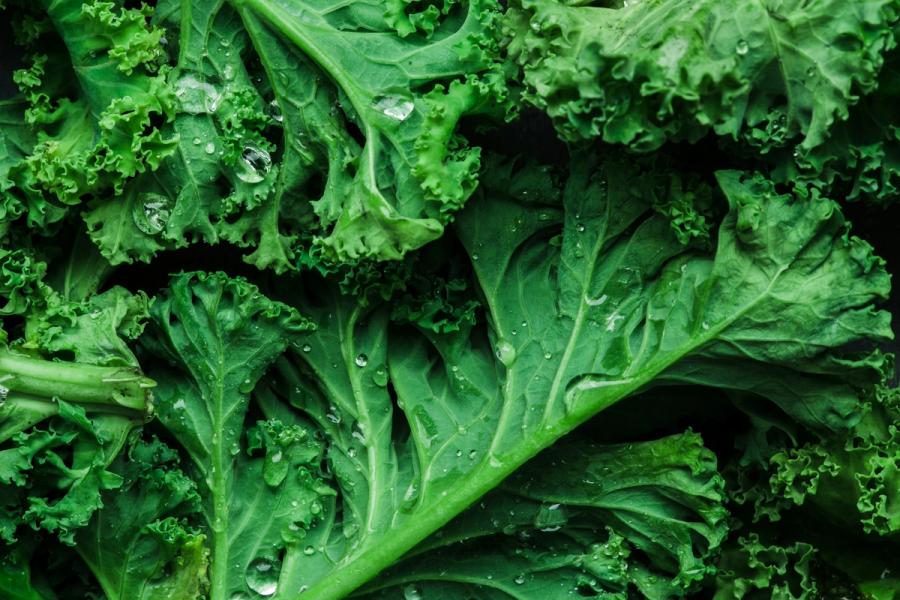
Kale boiled, drained, and prepared without salt provides 4,983 mcg of lutein and zeaxanthin per 100 g. The same cooked record contains 4.0 g of fiber and 150 mg of calcium. A cup of cooked kale (118 g) provides about 5,880 mcg of lutein and zeaxanthin. Its cup weight differs considerably from a cup of raw spinach, which is why the table uses 100 g for each named preparation.
Serve cooked kale beside a grain dish, fold it into a soup, or combine it with beans. The leaves give a meal a different texture from the softer sweet potato or egg. Drain boiled kale before measuring it for a comparison with this record. Chop the drained leaves into smaller pieces if you want to spread them evenly through a bowl.
1. Spinach
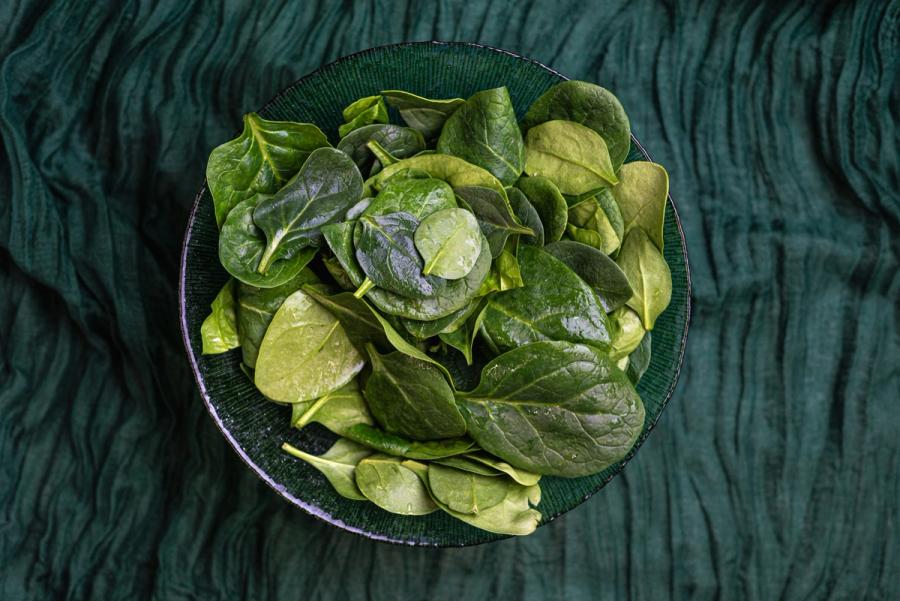
Raw spinach leads the lutein-and-zeaxanthin group with 12,198 mcg per 100 g. It also contains 194 mcg of folate DFE in the same USDA record. NEI reports an association between diets rich in leafy greens and a lower risk of AMD. That observation does not establish that spinach alone caused the difference.
A cup of raw spinach (30 g) provides about 3,659 mcg of lutein and zeaxanthin. Use the leaves as a salad base, tuck them into a sandwich, or combine them with orange segments and a few sunflower kernels. A generous-looking bowl can weigh much less than 100 g because the leaves are light and loosely packed. Our nutrient-dense vegetables guide offers other greens to rotate into your meals.
A note on supplements and eye care
AREDS2 supplements are for certain people with age-related macular degeneration (AMD), such as intermediate AMD, not general prevention. Ask an eye care professional whether they are appropriate for your stage. Current and former smokers should avoid beta-carotene-containing AREDS supplements because of the increased lung-cancer risk.
Do not self-prescribe high-dose supplements. The US adult upper limit for zinc is 40 mg a day from food and supplements combined, except under medical supervision. The vitamin A upper limit of 3,000 mcg RAE a day applies to preformed vitamin A, not the beta-carotene in carrots and sweet potatoes.
Avoid foods you are allergic to, including eggs, tree nuts or shellfish. Cook oysters thoroughly, and make regular dilated eye exams part of your eye care; food cannot replace them.
This is general information, not a substitute for advice from a doctor or eye care professional.
SourcesSources are linked throughout the article. The main sources are listed below.
- National Eye Institute: AREDS/AREDS2 frequently asked questions — trial findings, supplement limits and leafy-green observations.
- USDA National Nutrient Database for Standard Reference, Legacy Release — April 2018 archive; NDB 11457, 11234, 01129, 11821, 09200, 12036, 12061, 15231, 11508 and 11124.
- NIH Office of Dietary Supplements: Vitamin A — health professional fact sheet.
- NIH Office of Dietary Supplements: Vitamin C — health professional fact sheet.
- NIH Office of Dietary Supplements: Vitamin E — health professional fact sheet.
- NIH Office of Dietary Supplements: Zinc — health professional fact sheet.
- FDA: Selecting and Serving Fresh and Frozen Seafood Safely — seafood preparation and raw-shellfish precautions.