Eggs, oysters, lentils and the other foods here supply nutrients that support normal hair growth. Correcting a deficiency can help, but these foods are not proven treatments for hair loss from other causes.
Genes, hormones, illness and stress can also affect hair, so speak with a doctor or dermatologist about persistent or sudden hair loss. For more food ideas, see our guide to foods for healthy skin.
How we chose these
This is an editorial selection of foods containing protein, iron, zinc, biotin or other useful nutrients, not a ranking of hair benefits. Nutrient figures come from USDA, NIH and India's food composition tables; the evidence for vitamin E and omega-3 hair treatments is limited.
More is not always better: too much vitamin A or selenium can itself cause hair loss. High-dose biotin supplements can distort some lab tests, so tell your clinician about supplements you take. Food choices do not replace diagnosis or treatment.
10. Oyster
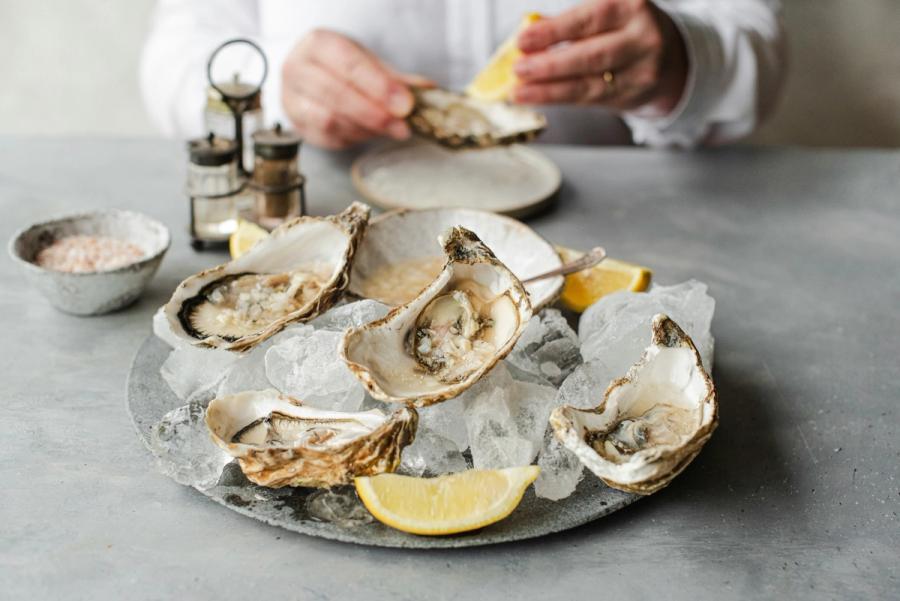
Cooked Pacific oysters provide 28.2 mg of zinc per 3-ounce serving, according to NIH. Zinc deficiency can cause hair loss, but oysters are not a cure for every kind of shedding.
Zinc content varies by oyster species and preparation, so that figure does not describe every oyster meal. Serve oysters properly cooked: raw or undercooked oysters can carry harmful bacteria.
9. Carrot
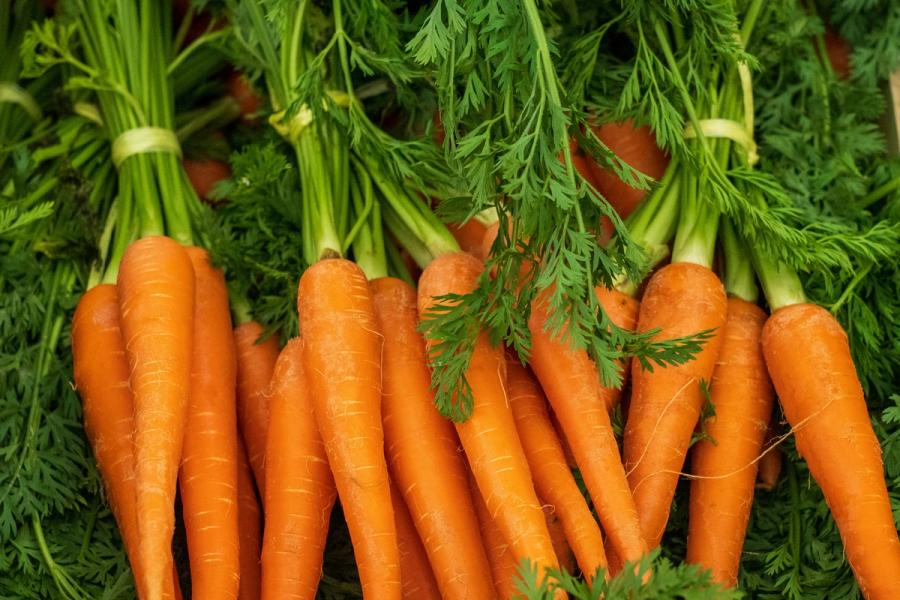
Raw carrots provide 835 micrograms of vitamin A activity per 100 g, measured as retinol activity equivalents (RAE). Much of this comes from beta-carotene, which the body converts to vitamin A for functions including cell growth.
Carrots do not promise thicker hair, and more vitamin A is not always better. Excess preformed vitamin A can be toxic; beta-carotene from food does not cause the same toxicity. Shred carrots into a salad or compare other choices in our guide to the healthiest vegetables.
8. Lentils
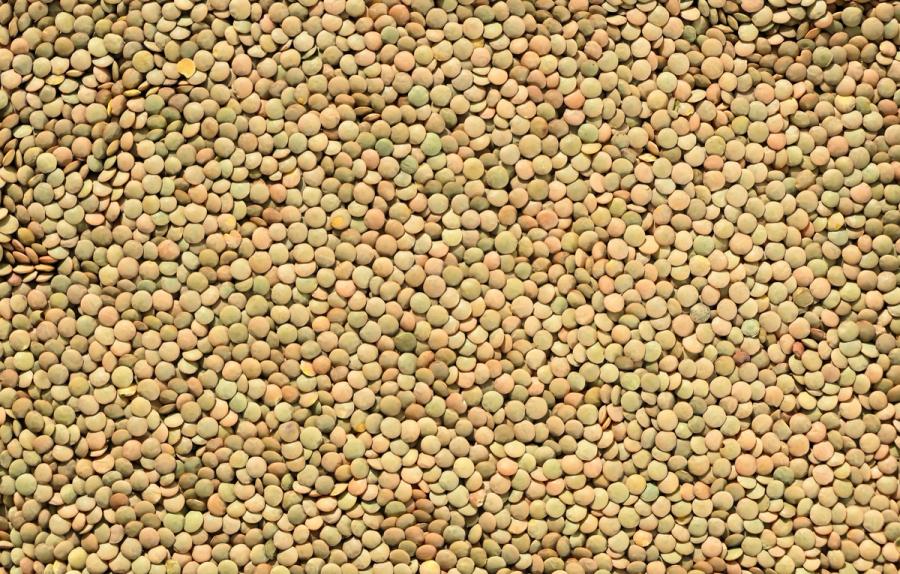
Boiled lentils without salt supply about 3.3 mg of iron and 9.0 g of protein per 100 g. Too little iron or protein can contribute to hair loss, making adequate intake important.
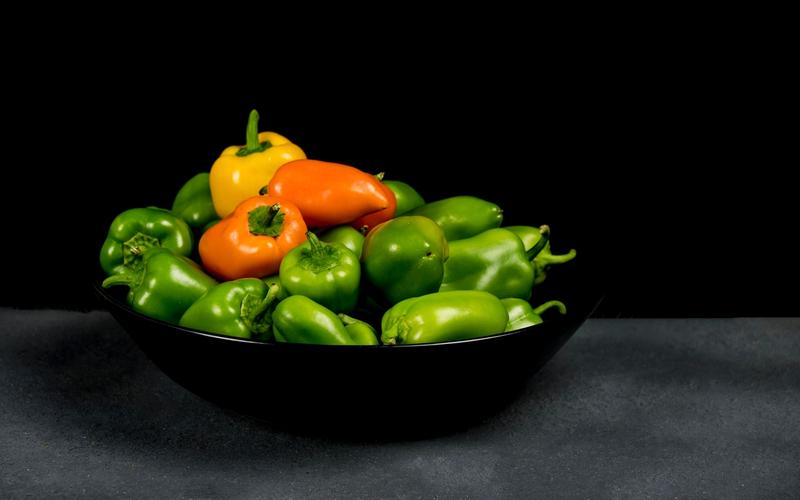
Lentils provide plant iron, which is absorbed less efficiently than iron from many animal foods. Pair them with a vitamin C source, such as peppers or citrus, to help absorption. Add them to soup or explore our plant-based protein sources.
7. Whole Grains
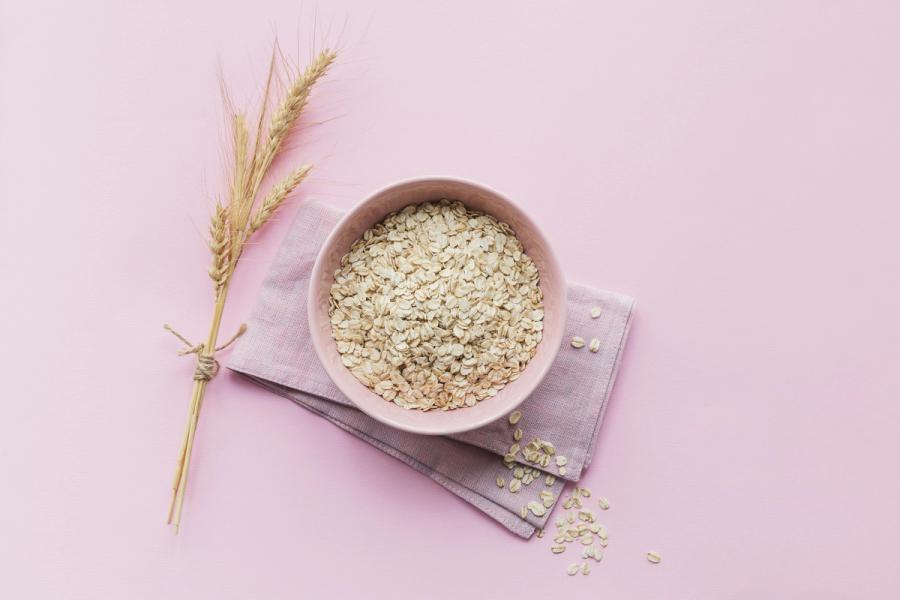
One cup of regular or quick oats cooked in water provides 2.3 mg of zinc, according to NIH. Oats offer another way to include this mineral in a varied diet.
Whole grains are not all the same: fortification can change a cereal's nutrient content a lot, and whole grains are not an especially rich source of biotin. Try oatmeal for breakfast and check the label when choosing a packaged cereal.
6. Guava
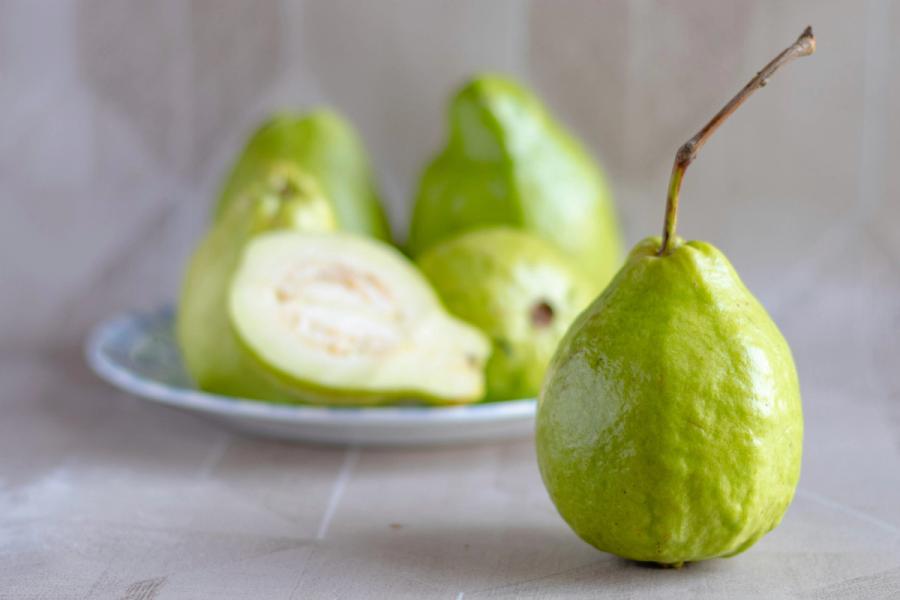
Raw guava contains about 228 mg of vitamin C per 100 g in USDA's data. Vitamin C helps the body absorb iron from plant foods, giving it a useful supporting role in an iron-containing diet.
Enjoy guava as fresh fruit or add it to a fruit salad alongside your meal. There is no good evidence that guava-leaf packs prevent dandruff or regrow hair.
5. Salmon
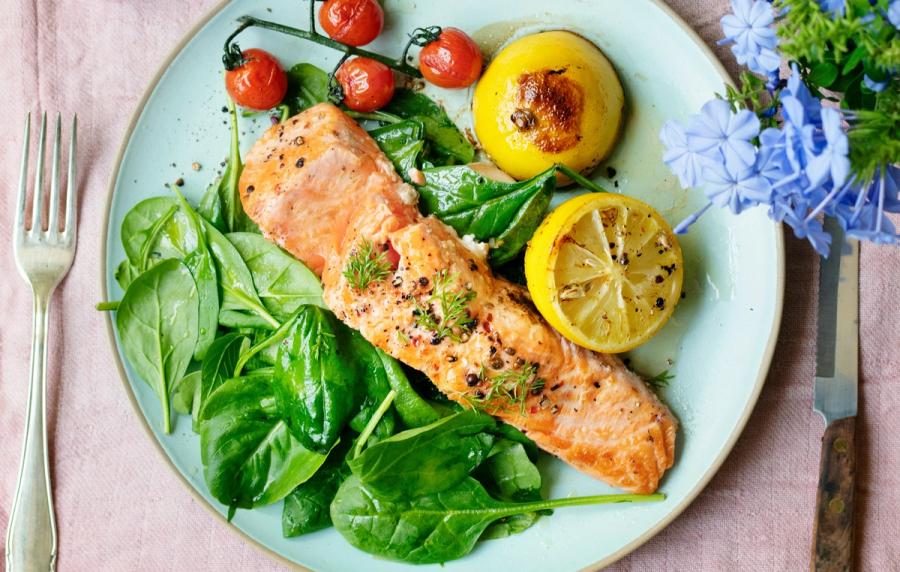
Farmed Atlantic salmon cooked with dry heat supplies 22.1 g of protein per 100 g. NIH also lists 1.24 g DHA and 0.59 g EPA, two omega-3 fats, per 3 ounces of cooked farmed Atlantic salmon.
A September 2026 review found limited, mixed evidence on omega fats and hair loss; many studies tested combination supplements. That does not prove eating salmon regrows hair. Bake or grill a fillet and serve it with vegetables.
4. Nuts
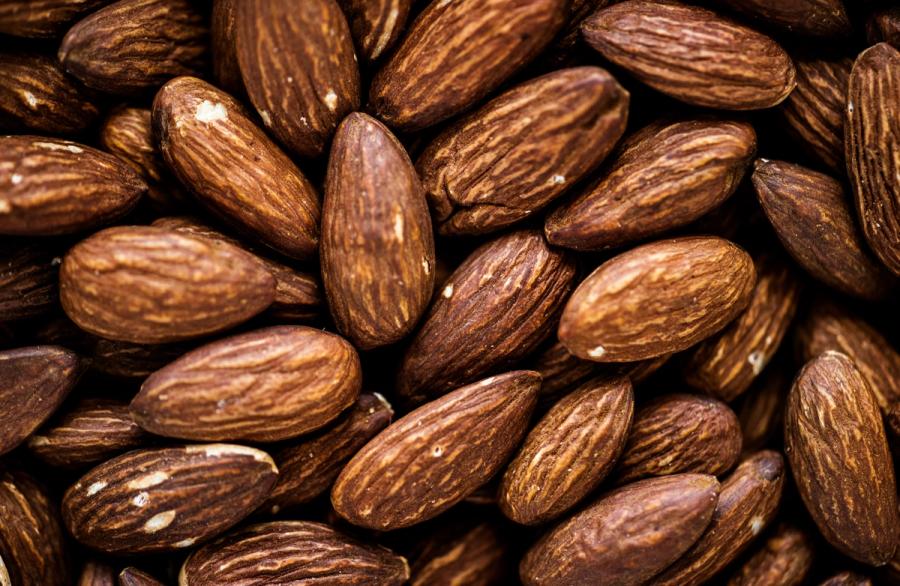
Dry-roasted almonds provide 6.8 mg of vitamin E per ounce, according to NIH. Vitamin E acts as an antioxidant, helping protect cells from damage.
Evidence that extra vitamin E treats hair loss is limited, so almonds are not a hair-growth remedy. Sprinkle chopped almonds over oatmeal or choose among other nutritious nuts for variety.
3. Spinach
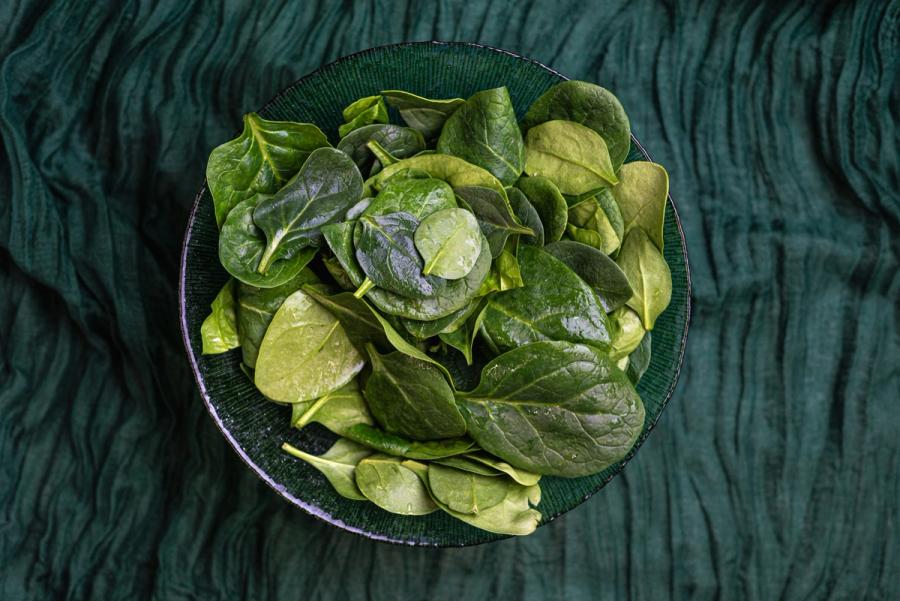
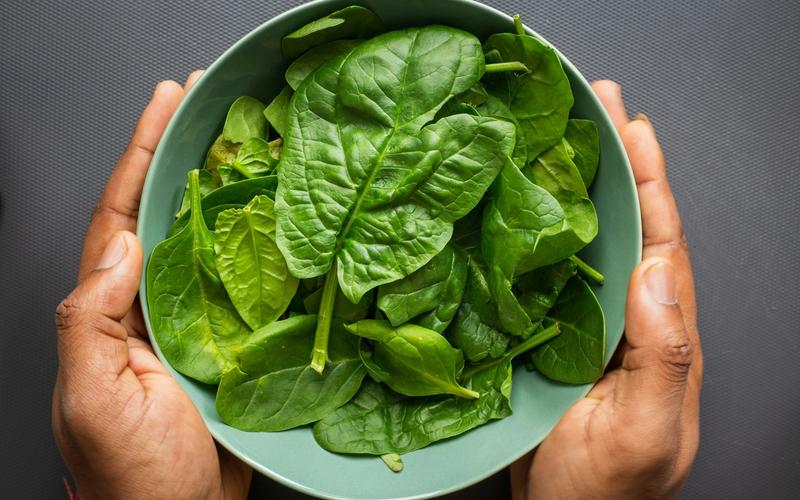
Half a cup of boiled, drained spinach supplies about 3 mg of iron in NIH's food table. Iron deficiency is one possible nutritional cause of hair loss.
Spinach's plant iron is not absorbed as efficiently as heme iron, and compounds in spinach can further limit absorption. Serve it with a vitamin C source, such as lemon or peppers. Spinach won't repair hair that is already damaged.
2. Egg
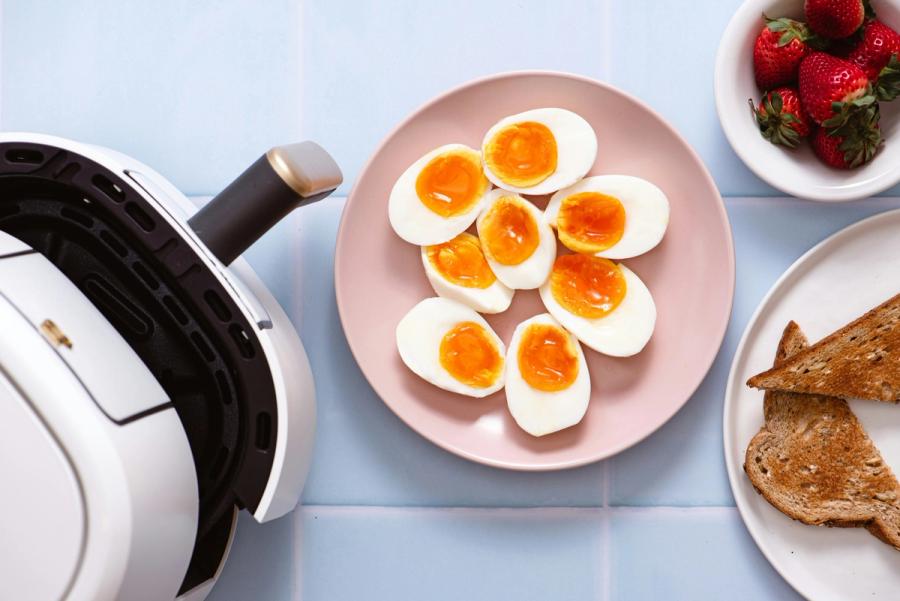
One large hard-boiled egg weighing 50 g provides about 6.3 g of protein, calculated from USDA's data. NIH lists 10 micrograms of biotin for a whole cooked egg.
Protein and biotin deficiencies can cause hair loss, but biotin deficiency is rare in people eating a normal diet. Cooking also prevents raw egg-white avidin from blocking biotin absorption. Add a cooked egg to a meal; an egg mask is not a proven hair-growth treatment.
1. Indian Gooseberry
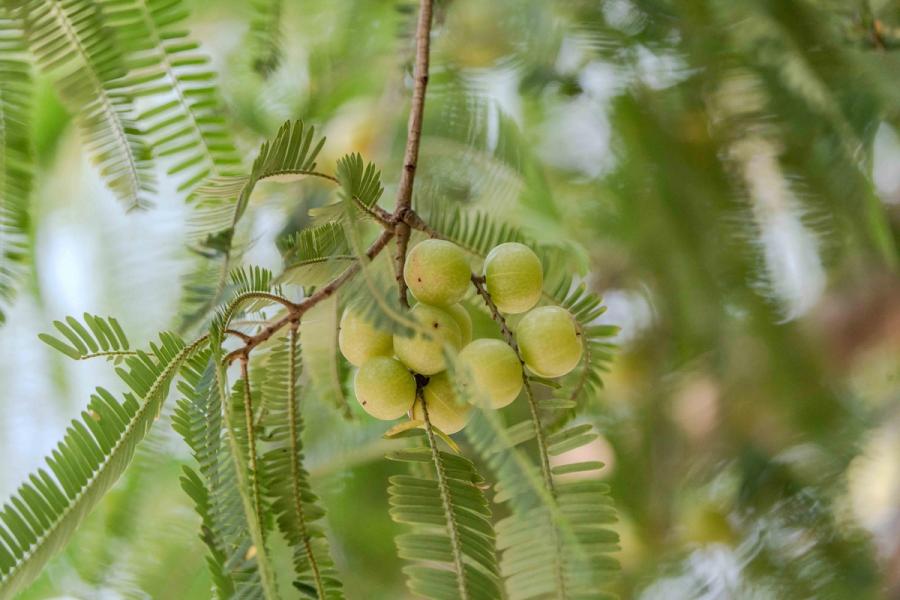
Indian gooseberry, or amla, contains about 252 mg of vitamin C per 100 g of edible fruit in India's 2017 food tables. The entry identifies it as Emblica officinalis, also known as Phyllanthus emblica.
Like guava, amla can contribute vitamin C that helps with plant-iron absorption. Chop fresh amla into a chutney or serve it with a meal. These nutrient figures do not establish that amla oil, masks or juice prevent hair loss.
This is general information, not a substitute for advice from a doctor or dermatologist.