Barley and oats lead this editorial list because beta-glucan from eligible oat and barley foods has an FDA-authorized heart-disease claim. Alongside salmon, nuts, olive oil, lentils, fruits, and vegetables, they can fit a heart-healthy eating pattern.
Heart disease was the leading cause of death in the United States in 2024, accounting for 683,491 deaths, according to final CDC data. Food choices are one part of looking after your heart.
How we chose these
We grouped these foods by their official basis: an FDA-authorized claim for eligible oat and barley fiber; qualified claims for EPA/DHA, walnuts, most nuts, and olive oil; and food groups in the DASH eating plan. The order within each group is editorial, not a comparison of benefit, and FDA allows qualified claims with qualifying language rather than approving them as proven effects. The table gives USDA SR Legacy nutrients for the named preparations, using 100 g as a reference amount rather than a recommended serving. Portion figures are our calculations from USDA weights, except the separately attributed NIH and FDA amounts.
| No. | Food (form) | Official basis | Standout nutrient (per 100 g) |
|---|---|---|---|
| 1 | Pearled barley (uncooked) | FDA authorized claim: eligible beta-glucan sources | Total fiber: 15.6 g |
| 2 | Rolled oats (regular/quick, dry) | FDA authorized claim: eligible beta-glucan sources | Total fiber: 10.1 g |
| 3 | Atlantic salmon (farmed, cooked dry heat) | FDA qualified claim: EPA/DHA | EPA + DHA: 2.15 g |
| 4 | English walnuts (unroasted) | FDA qualified claim: walnuts | Polyunsaturated fat: 47.17 g |
| 5 | Almonds (unroasted) | FDA qualified claim: nuts | Vitamin E: 25.63 mg |
| 6 | Olive oil | FDA qualified claim: olive oil | Monounsaturated fat: 72.96 g |
| 7 | Lentils (boiled, without salt) | DASH: beans and peas group | Folate: 181 mcg DFE |
| 8 | Avocado (raw) | DASH: fruit group | Potassium: 485 mg |
| 9 | Red tomatoes (raw) | DASH: vegetable group | Potassium: 237 mg |
| 10 | Blueberries (raw) | DASH: fruit group | Total fiber: 2.4 g |
Dark chocolate is not included: the FDA's cocoa claim concerns high-flavanol cocoa powder, with very limited evidence, and does not apply to chocolate.
10. Blueberries
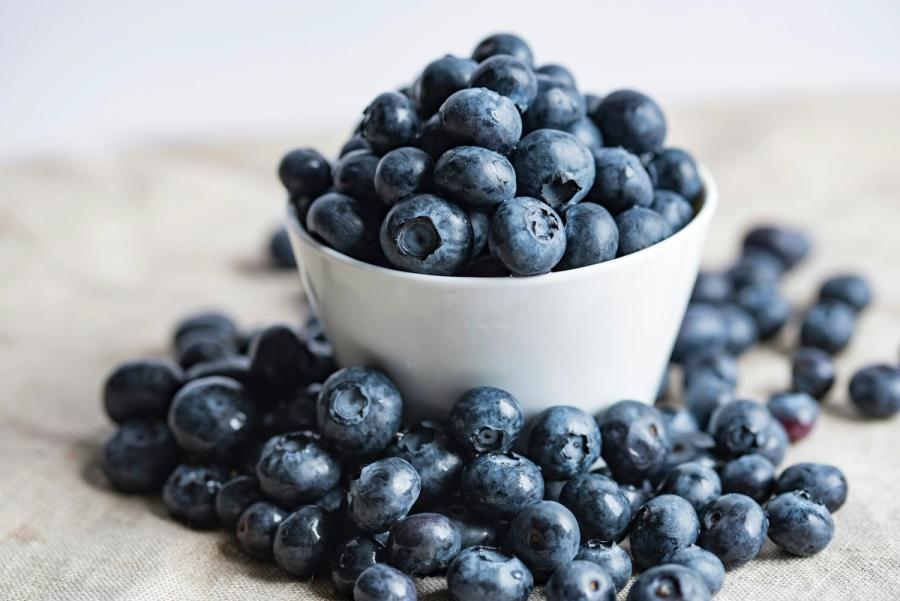
Blueberries belong to the fruit group in the DASH eating plan, which emphasizes an overall pattern of foods. Raw blueberries provide 2.4 g of fiber and 9.7 mg of vitamin C per 100 g. A cup (148 g) has about 3.6 g of fiber and 84 calories.
Scatter fresh blueberries over plain oatmeal, mix them into unsweetened yogurt, or serve them with other fruit. Their small size makes them convenient to add without cutting, while their tartness can balance a mild breakfast. These figures describe raw berries; they do not establish that blueberries alone lower cholesterol or prevent heart disease.
9. Tomatoes
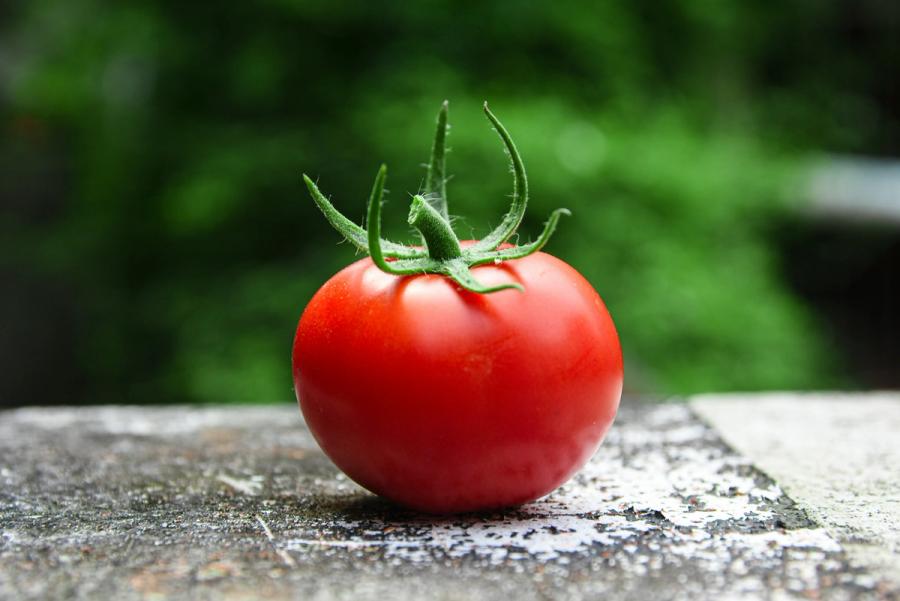
Red tomatoes fit DASH's vegetable group and supply 237 mg of potassium per 100 g when raw. The same USDA record contains 13.7 mg of vitamin C and 2,573 mcg of lycopene, the red plant pigment. A medium tomato (123 g) provides about 292 mg of potassium. These are useful food-composition facts, rather than evidence that a tomato will lower your blood pressure.
Slice one into a sandwich, chop it into a lentil salad, or serve wedges beside a grain dish. Tomatoes add moisture and color, so you can build a varied plate around them. For a cooked dish made with canned tomatoes, compare labels and choose a no-salt-added option when available. Season with herbs, pepper, or a splash of vinegar to suit the meal.
8. Avocado
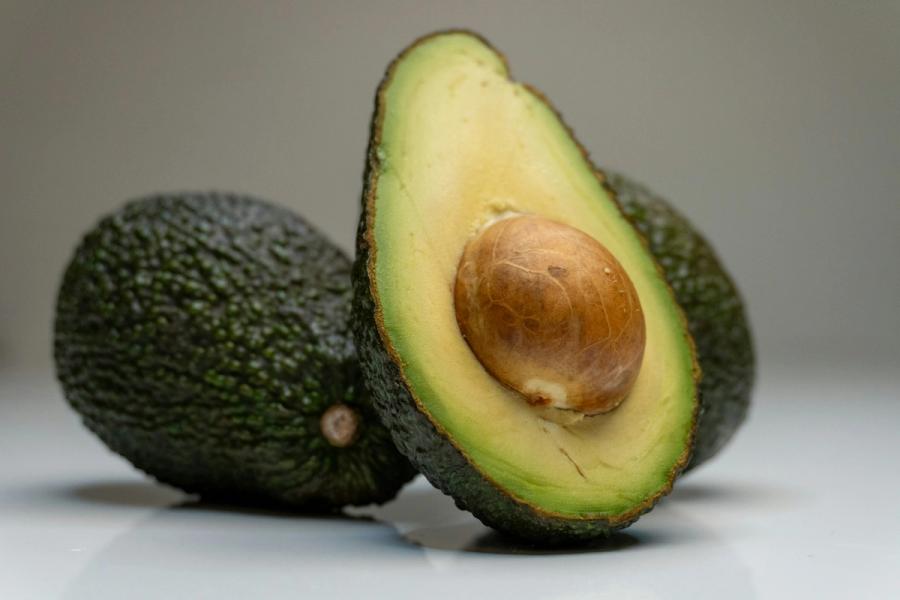
Avocado is a fruit option within a varied eating pattern, with 485 mg of potassium per 100 g of raw flesh. It also contains 6.7 g of fiber and about 9.8 g of monounsaturated fat in the USDA record covering commercial varieties. A 50 g portion provides about 243 mg of potassium, 3.4 g of fiber, and 80 calories. Its creamy texture makes a small portion easy to spread or mix into a meal.
Try mashed avocado in place of some butter on toast, or add slices to a tomato and lentil bowl. That is a practical food swap, not a promise that avocado itself prevents a heart attack. Our healthiest foods list offers other foods to combine with it for variety.
7. Lentils
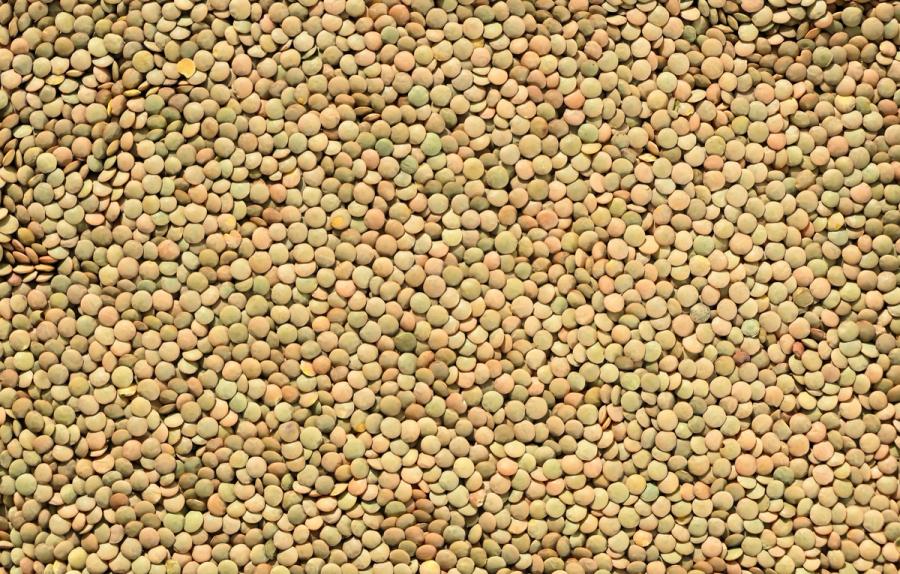
Cooked lentils fit the beans and peas group in DASH and provide 181 mcg of folate DFE per 100 g when boiled without salt. That same portion contains 7.9 g of fiber and 369 mg of potassium. A half cup (99 g) gives you about 179 mcg of folate DFE and 7.8 g of fiber, making the serving size close to the table's reference amount.
Add lentils to a vegetable soup, toss them with chopped tomatoes, or use them to replace part of the meat in a sauce. They can form the base of a meal alongside grains and vegetables, rather than being an extra garnish. Our guide to plant-based protein sources gives more options for varying this part of your plate.
6. Olive oil
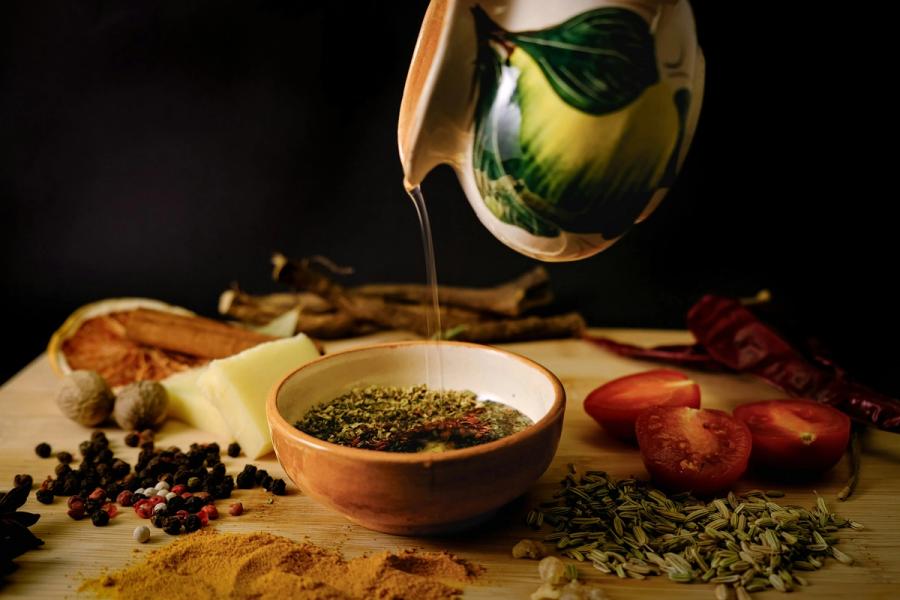
The FDA's olive-oil claim describes the scientific evidence as “limited and not conclusive.” It concerns about 2 tablespoons (23 grams, in FDA's wording) daily and a possible reduction in coronary heart disease risk. The essential conditions are substitution and total intake: olive oil should replace a similar amount of saturated fat without increasing the calories you eat in a day.
USDA's olive-oil record contains 72.96 g of monounsaturated fat and 884 calories per 100 g. Those numbers describe the oil's composition, not a portion to pour over dinner. Use it in a dressing, for cooking vegetables, or in place of some butter in a dish. Measure what you use so that the change fits within your usual meals.
5. Almonds
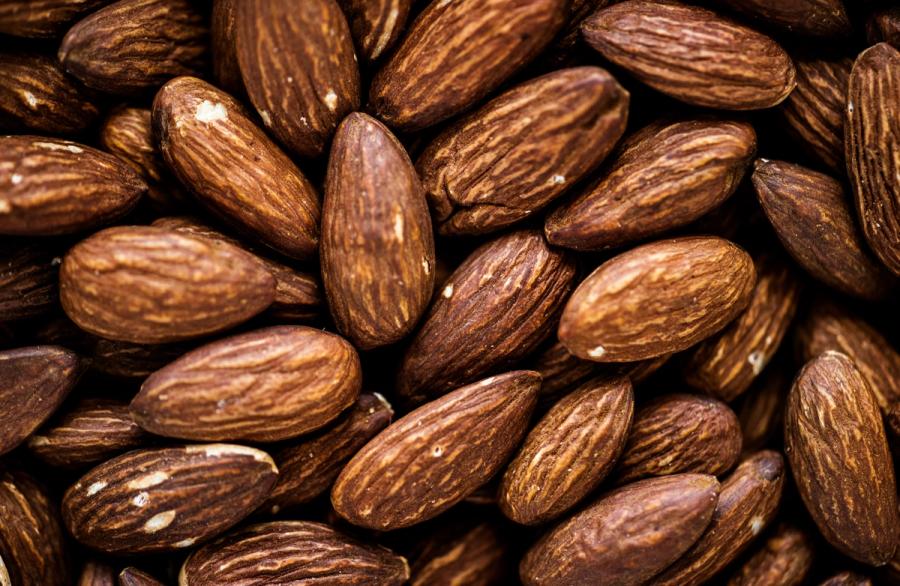
Almonds are among the nuts covered by the FDA's qualified heart-disease claim. Its wording says scientific evidence “suggests but does not prove” a possible benefit from 1.5 ounces (about 43 g) of most nuts daily within a diet low in saturated fat and cholesterol. Almonds also provide 25.63 mg of vitamin E per 100 g in USDA's unroasted record.
A one-ounce portion (28.35 g), roughly 23 whole kernels, supplies about 7.3 mg of vitamin E and 164 calories. Chop some over oatmeal, add sliced almonds to a salad, or choose a measured portion as a snack. Plain, unsalted nuts let you add crunch without extra salt. Our nutritious nuts guide compares almonds with other nuts and explains the important safety points.
4. Walnuts
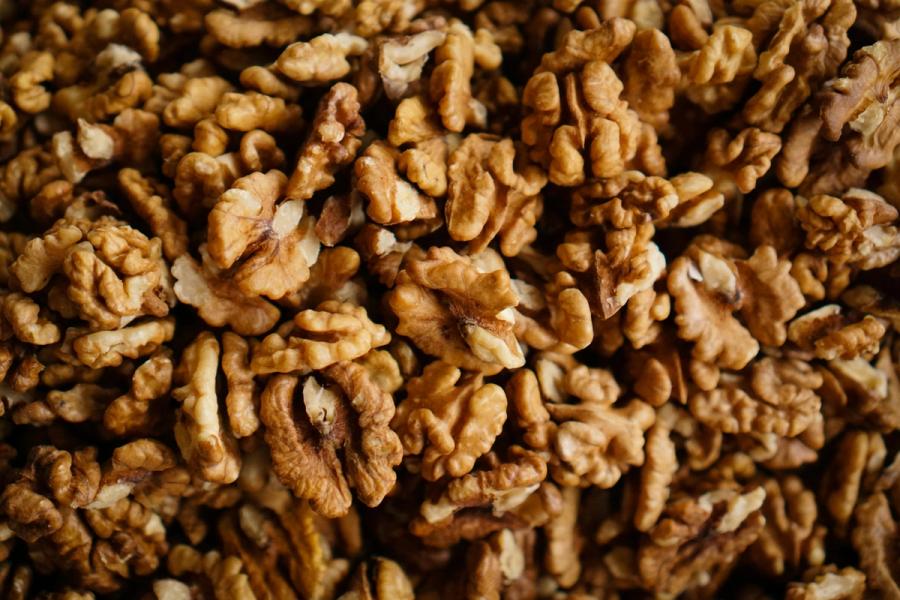
The FDA's walnut-specific claim uses the words “supportive but not conclusive.” It concerns 1.5 ounces (about 43 g) daily as part of a diet low in saturated fat and cholesterol, without increasing calorie intake, and a possible reduction in coronary heart disease risk. Keeping those conditions matters when you decide how walnuts fit into a meal.
English walnuts contain 47.17 g of polyunsaturated fat per 100 g. Separately, NIH lists 2.57 g of ALA omega-3 per ounce of English walnuts. USDA's ounce measure is roughly 14 halves and supplies about 185 calories. Break the kernels into oatmeal or sprinkle them over a lentil salad. Their distinctive ridges and crisp texture make a small amount noticeable throughout the dish.
3. Salmon
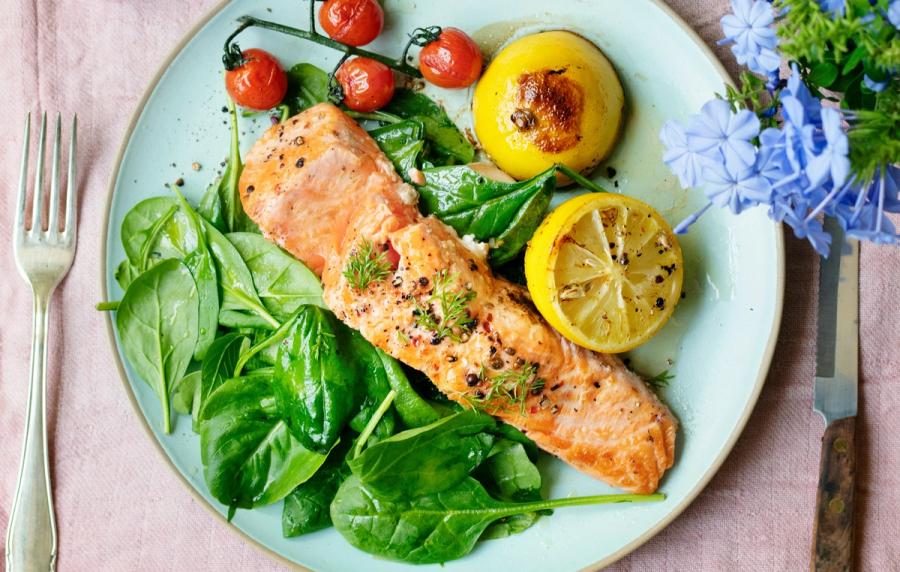
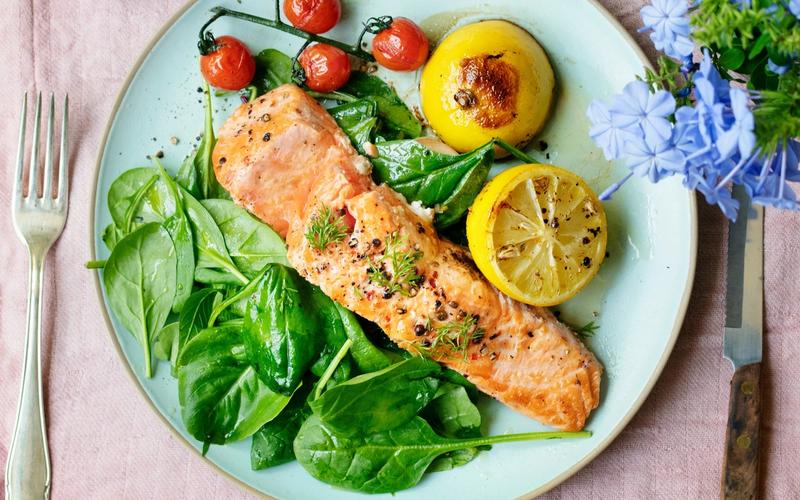
Salmon supplies EPA and DHA, the omega-3 fats covered by the FDA's qualified coronary-heart-disease claim. The 2004 claim describes the research as “supportive but not conclusive.” Farmed Atlantic salmon cooked with dry heat contains 2.15 g of EPA and DHA combined per 100 g, calculated from USDA's separate values. The same record contains 13.1 mcg of vitamin D.
A three-ounce portion (85 g) provides about 1.82 g of EPA and DHA. Bake or grill a fillet and serve it with vegetables and a grain dish. Salmon is also a Best Choice in FDA/EPA advice about lower-mercury fish, advice designed especially for pregnancy, breastfeeding, and children. These food figures should not be treated as a recommendation to take fish-oil supplements.
2. Rolled oats
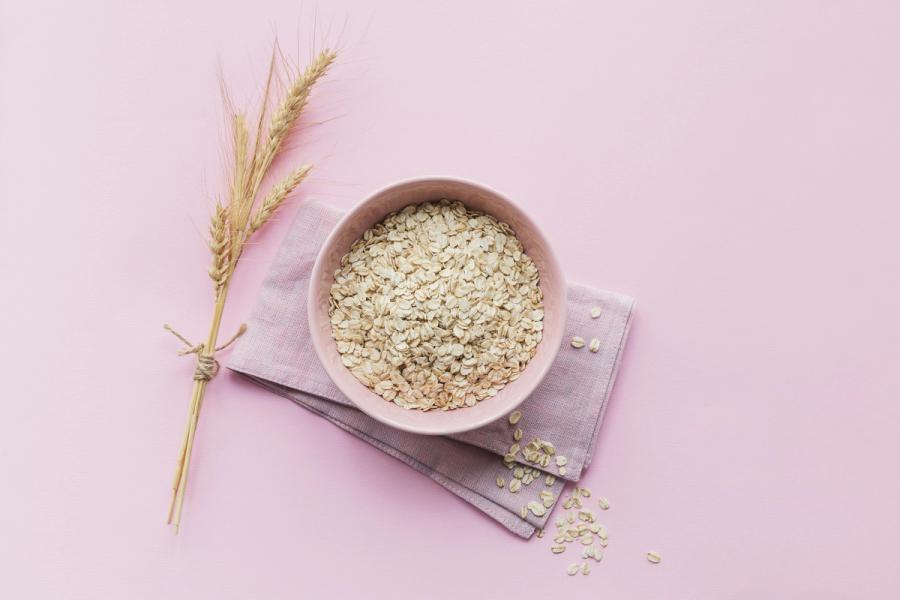
Eligible rolled-oat products are covered by an FDA-authorized claim for beta-glucan soluble fiber. The claim concerns 3 g or more of this fiber a day from eligible oats, barley, or a combination, within a diet low in saturated fat and cholesterol. It states that this eating pattern may reduce heart disease risk.
Dry regular or quick oats provide 10.1 g of total dietary fiber per 100 g. Half a cup (about 40 g) of dry oats has about 4.1 g of total fiber. Total fiber is not the same as beta-glucan, so that serving cannot be assumed to meet the claim's daily amount. Cook plain oats into porridge, then add blueberries or chopped nuts for texture and flavor.
1. Pearled barley
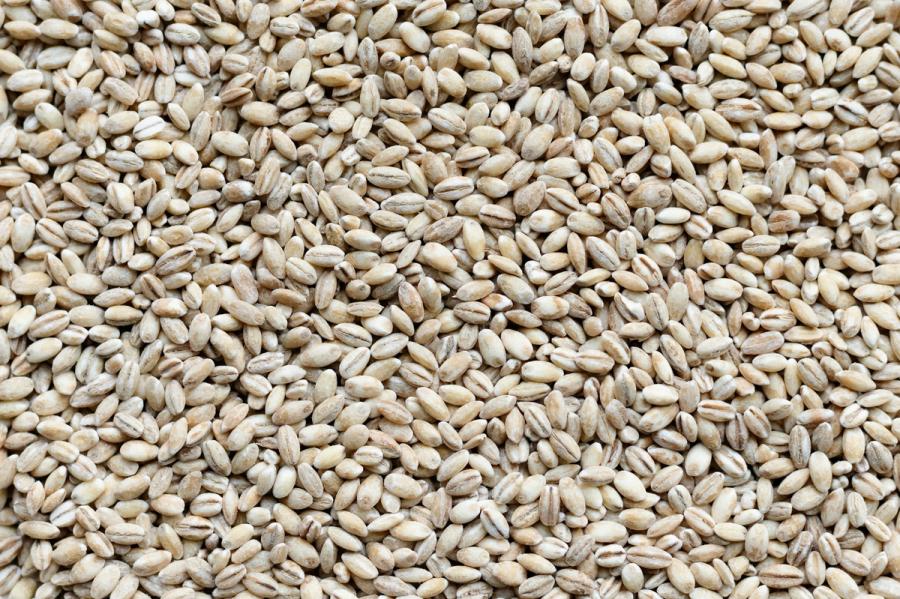
Pearled barley is among the dry-milled barley products eligible for the FDA's authorized soluble-fiber claim when the product meets the specified criteria. The claim concerns at least 3 g of beta-glucan a day from eligible oat or barley sources as part of a diet low in saturated fat and cholesterol.
Uncooked pearled barley contains 15.6 g of total dietary fiber per 100 g. USDA does not give a beta-glucan amount for this record, so the table's fiber number cannot be used as the claim dose. Simmer barley for a soup or grain bowl, then combine it with lentils and vegetables. Its chewy texture provides a contrast to softer ingredients; follow the package directions for cooking time.
A few safety points
Keep taking medicines as prescribed, and ask your health care professional before adding supplements. NCCIH advises against replacing prescribed medicines with dietary supplements. Fish-oil supplements are a separate decision from eating fish.
Fish and tree nuts are major food allergens; avoid foods you are allergic to and check labels. Compare sodium on packaged foods and choose lower-sodium or no-salt-added options. DASH emphasizes lower sodium alongside a pattern rich in potassium, calcium, magnesium, fiber, and protein.
This is general information, not a substitute for advice from a doctor or registered dietitian.
SourcesSources are linked throughout the article. The main sources are listed below.
- USDA National Nutrient Database for Standard Reference, Legacy Release — nutrient values and portion weights (NDB 20005, 08120, 15237, 12155, 12061, 04053, 16070, 09037, 11529, 09050).
- 21 CFR 101.81 — authorized claim for soluble fiber from eligible oat and barley sources.
- FDA Qualified Health Claims — how qualifying language reflects the evidence.
- FDA Food Labeling Guide, pages 109–114 — qualified claims for nuts, walnuts, EPA/DHA, and olive oil.
- NHLBI DASH Eating Plan — food groups and the overall eating pattern.