Almonds lead our editorial list with 25.63 mg of vitamin E per 100 g, or about 7.3 mg per ounce (28.35 g). The ten nuts below offer different nutrients, so there is no single overall winner.
How we chose these
We selected ten common nuts for variety, including peanuts, which are legumes but are commonly eaten like nuts; the numbers show our editorial order, not an official nutrient ranking. The Dietary Guidelines for Americans include nuts among plant-based protein foods. Each table entry highlights one nutrient from USDA SR Legacy in the form named, rather than a complete nutritional score. Per-ounce amounts are our calculations using 1 ounce (28.35 g), except the separately cited NIH figures; these nuts are calorie-dense, with about 157–204 calories per ounce in the forms shown.
| No. | Nut (form) | Standout nutrient (per 100 g) |
|---|---|---|
| 1 | Almonds (unroasted) | Vitamin E: 25.63 mg |
| 2 | Pistachios (raw) | Vitamin B6: 1.700 mg |
| 3 | English walnuts (unroasted) | Polyunsaturated fat: 47.17 g |
| 4 | Peanuts (dry-roasted, without salt) | Protein: 24.35 g |
| 5 | Hazelnuts (unroasted) | Vitamin E: 15.03 mg |
| 6 | Brazil nuts (dried, unblanched) | Selenium: 1,917 mcg |
| 7 | Cashews (raw) | Copper: 2.195 mg |
| 8 | Pecans (unroasted) | Fiber: 9.6 g |
| 9 | Pine nuts (dried) | Manganese: 8.802 mg |
| 10 | Macadamias (raw) | Monounsaturated fat: 58.88 g |
The FDA's qualified claim for most nuts says “scientific evidence suggests but does not prove” a possible reduction in heart disease risk with 1.5 ounces (about 43 g) daily as part of a diet low in saturated fat and cholesterol. Its eligible list covers almonds, hazelnuts, peanuts, pecans, some pine nuts, pistachios, and walnuts; it does not cover every nut in this article.
10. Macadamia nuts
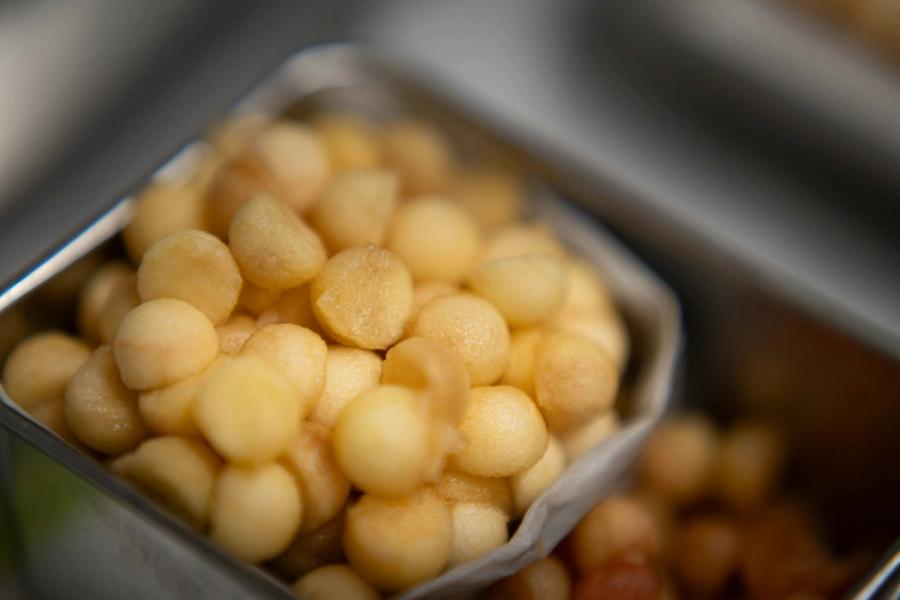
Raw macadamia nuts provide 58.88 g of monounsaturated fat per 100 g, or about 16.7 g per ounce. That ounce contains about 204 calories, with roughly 10–12 kernels in USDA's portion measure. Their pale, rounded kernels have a rich, buttery texture that works well chopped over oatmeal or folded into a grain salad. A small measured portion gives you a useful starting point when adding them to a meal.
The FDA's qualified macadamia claim describes the research as “supportive but not conclusive.” It concerns 1.5 ounces (about 43 g) daily within a diet low in saturated fat and cholesterol, without increasing saturated fat or calorie intake, and a possible reduction in coronary heart disease risk. The practical point is substitution: account for the nuts within your food intake rather than adding them on top.
9. Pine nuts
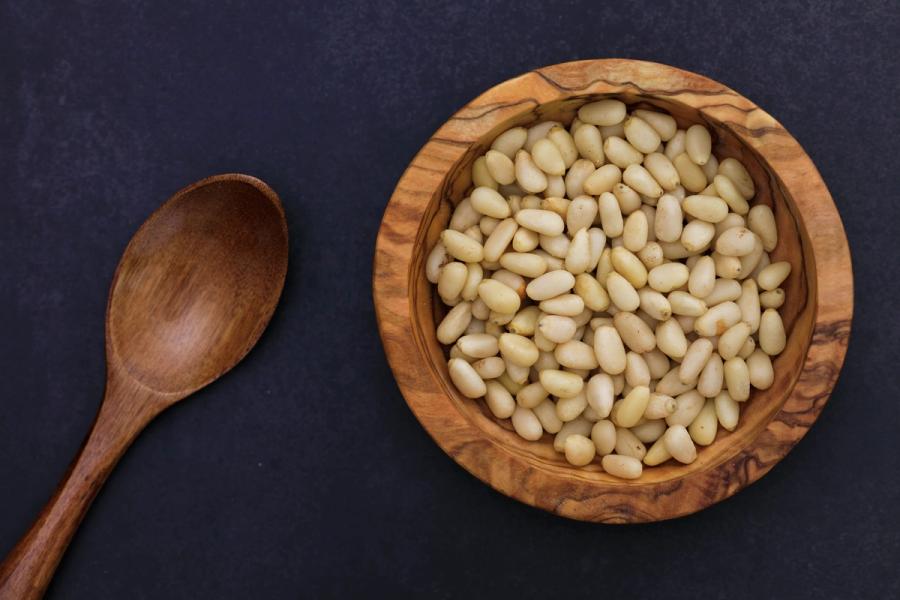
Dried pine nuts contain 8.802 mg of manganese per 100 g, equivalent to about 2.5 mg per ounce. The same USDA record lists 53.9 mcg of vitamin K per 100 g. These small, ivory-colored kernels are familiar in pesto, but a spoonful also adds texture to roasted vegetables, pasta, or a salad. Their size makes them easy to scatter through a dish rather than serve as a separate snack.
USDA's ounce measure is about 167 kernels, so weighing a portion is more convenient than counting them. That ounce supplies about 191 calories. Use plain kernels when matching these figures; a finished pesto also contains other ingredients, so its nutrition will differ. If you toast pine nuts for a topping, keep an eye on the pan and stir them so the small kernels color evenly.
8. Pecans
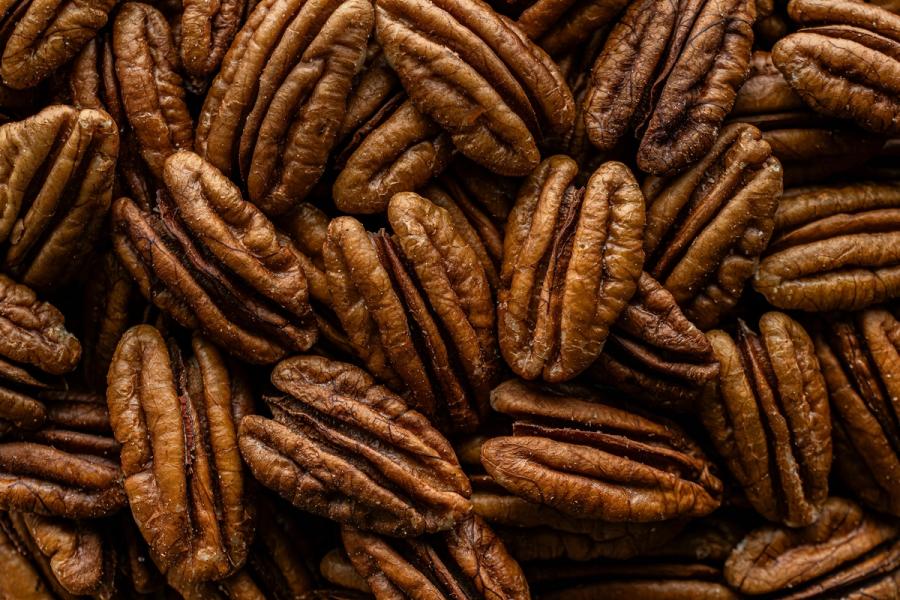
Pecans supply 9.6 g of fiber per 100 g, or about 2.7 g in a one-ounce portion. USDA lists that portion as approximately 19 halves, providing about 196 calories. The unroasted record also contains 4.5 mg of manganese and 4.53 mg of zinc per 100 g. Their long, ridged halves are easy to break into smaller pieces for a topping without turning them into a powder.
Try pecans with plain yogurt and fruit, or stir chopped pieces into a bowl of oatmeal. They also work with roasted vegetables when you want some crunch in a soft-textured meal. The figures here describe plain pecans, not a sweetened pie filling or sugar-coated snack. For more ways to vary your meals, our list of healthy foods worth adding to your diet offers other starting points.
7. Cashews
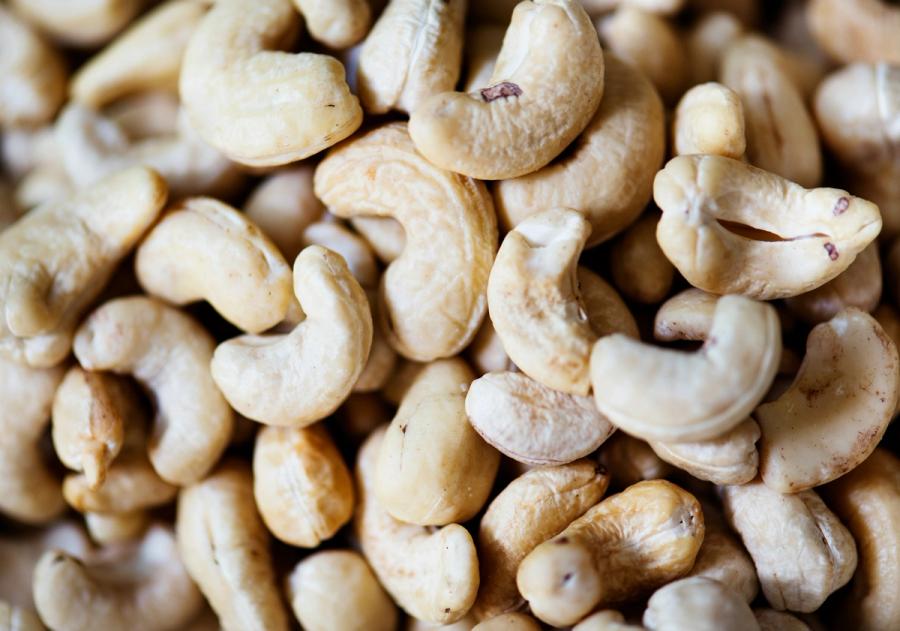
Raw cashews contain 2.195 mg of copper per 100 g, or about 0.62 mg per ounce. They also provide 6.68 mg of iron and 5.78 mg of zinc per 100 g in the same USDA record. Their curved kernels have a mild flavor that can fit into both sweet and savory meals.
An ounce supplies about 157 calories and 5.2 g of protein. Add a measured portion to a stir-fry near the end of cooking, or chop some over a grain bowl for contrast. Plain cashews also blend into sauces when combined with liquid and seasonings. If you buy a flavored or roasted version, use its Nutrition Facts label for the amounts in your portion; this entry uses the raw record.
6. Brazil nuts
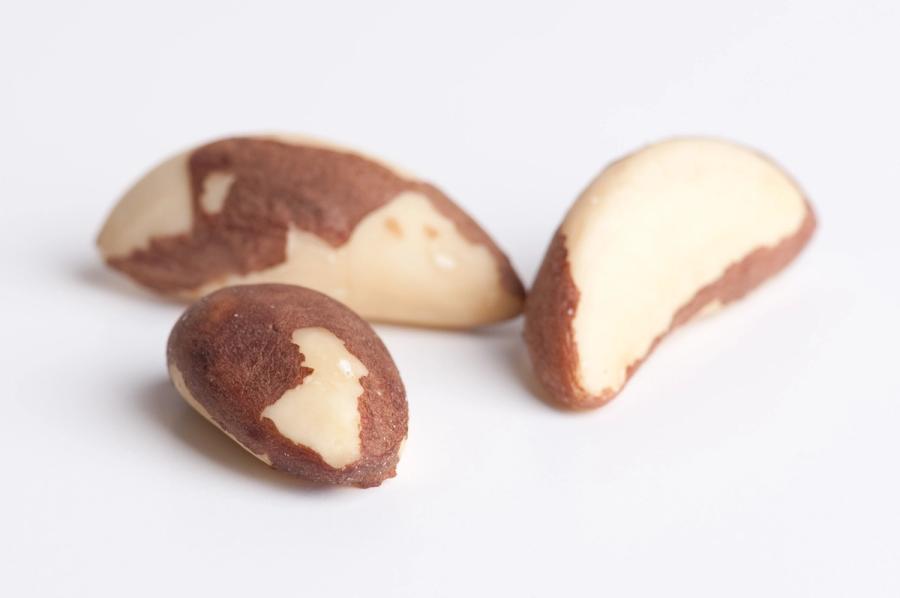
Dried, unblanched Brazil nuts contain 1,917 mcg of selenium per 100 g in USDA's record. This unusually high amount needs care: NIH's Office of Dietary Supplements reports about 544 mcg per ounce, above the US adult upper limit of 400 mcg a day from food and supplements combined. Actual selenium levels vary widely, so the database average cannot tell you the amount in an individual nut.
Brazil nuts are therefore not an everyday handful recommendation. Regularly consuming too much selenium can cause hair loss and brittle or lost nails, among other symptoms. If you use selenium supplements or have been advised to manage your selenium intake, discuss Brazil nuts with your health care professional.
5. Hazelnuts
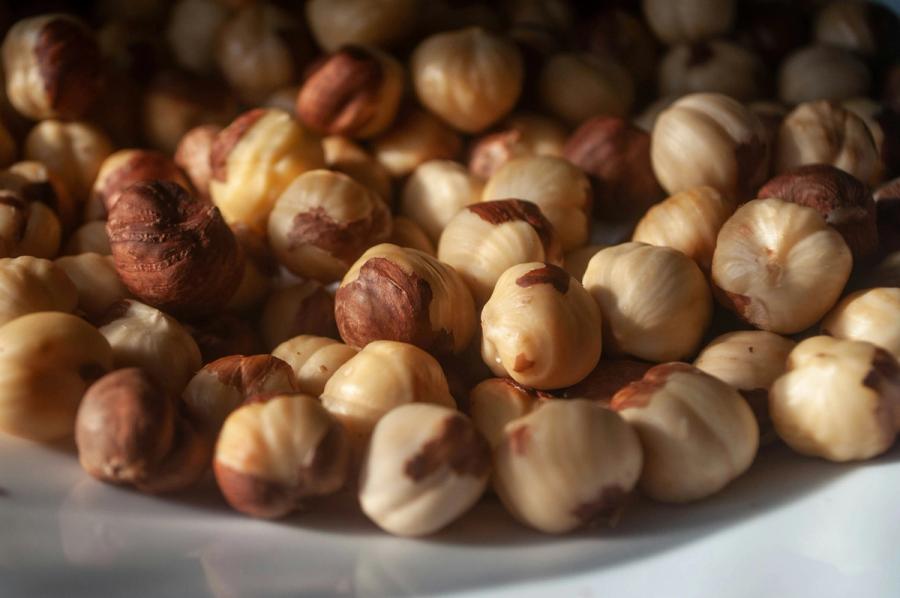
Hazelnuts, also called filberts, provide 15.03 mg of vitamin E per 100 g, or about 4.3 mg per ounce. That is less vitamin E than the almond record used here. The same unroasted record contains 113 mcg of folate DFE per 100 g. Their small, rounded kernels are covered by a thin brown skin.
USDA lists approximately 21 whole kernels in an ounce, which supplies about 178 calories. Roughly chop them to sprinkle over fruit and plain yogurt, or add them to a salad with leafy greens. Hazelnuts also work in a homemade nut mixture, where you can measure the total portion before serving. A chocolate-hazelnut spread is a different food: check its label rather than applying these figures to a spoonful of spread.
4. Peanuts
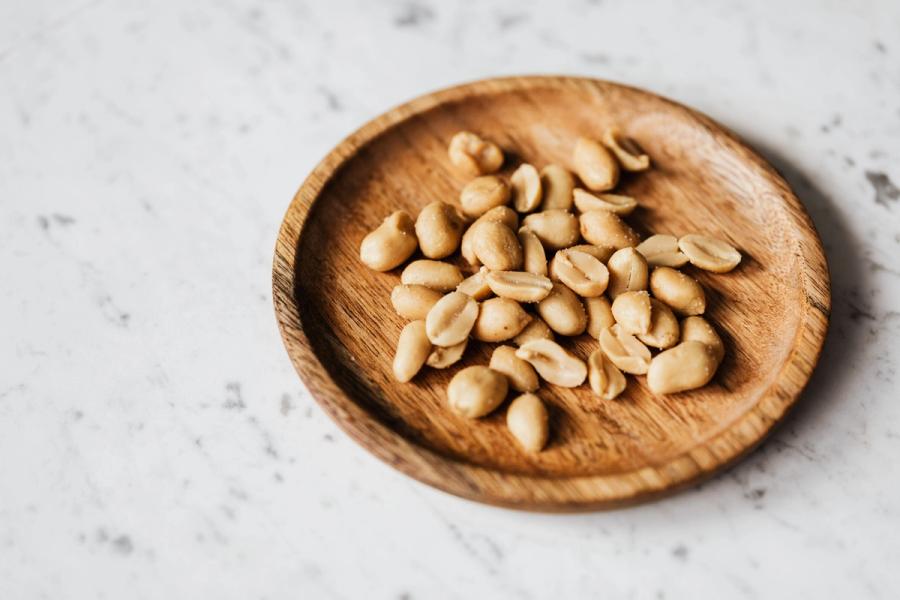
Dry-roasted peanuts without added salt provide 24.35 g of protein per 100 g, or about 6.9 g per ounce. Peanuts are legumes, not tree nuts, but they are commonly eaten alongside nuts and belong in this kitchen-focused selection. This specific USDA record also provides 8.4 g of fiber per 100 g, equivalent to about 2.4 g in the ounce portion.
An ounce has about 166 calories. Keep a measured serving for a snack, or use chopped peanuts to finish a vegetable stir-fry or noodle dish. For readers comparing other plant-based protein sources, the stated preparation matters: these figures describe dry-roasted peanuts, not peanut butter, boiled peanuts, or a raw peanut record. Choosing a no-salt-added version also lets you control the seasoning in the finished meal.
3. Walnuts
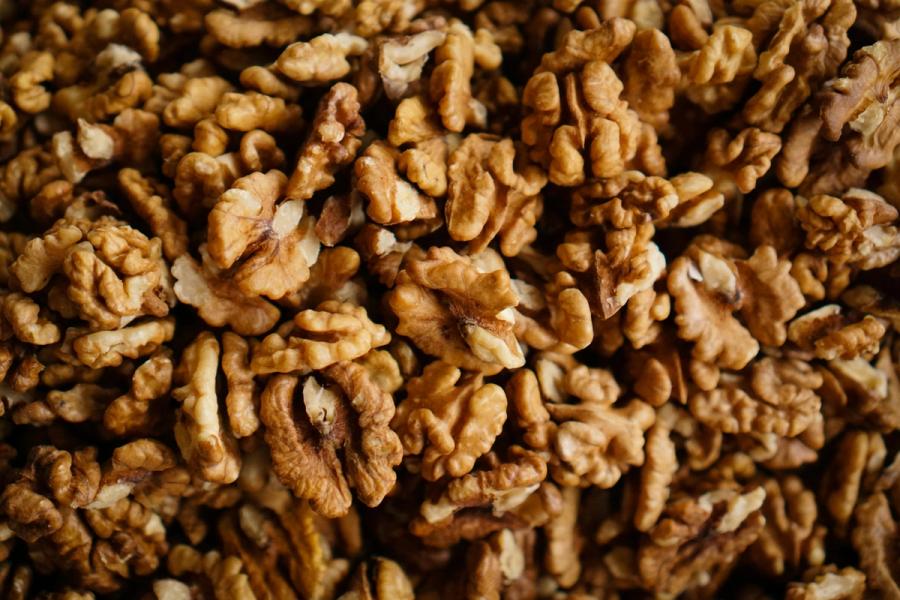
English walnuts contain 47.17 g of polyunsaturated fat per 100 g, or about 13.4 g per ounce. Separately, NIH lists 2.57 g of ALA omega-3 per ounce of English walnuts. USDA's ounce measure is roughly 14 halves. Break the ridged kernels over oatmeal, or combine them with chopped fruit and plain yogurt for a mixture of textures.
The FDA's walnut-specific qualified claim calls the research “supportive but not conclusive.” It concerns 1.5 ounces (about 43 g) daily as part of a diet low in saturated fat and cholesterol, without increasing calorie intake, and a possible reduction in coronary heart disease risk. An ounce of the walnuts shown here supplies about 185 calories, so the condition about total food intake matters.
2. Pistachios
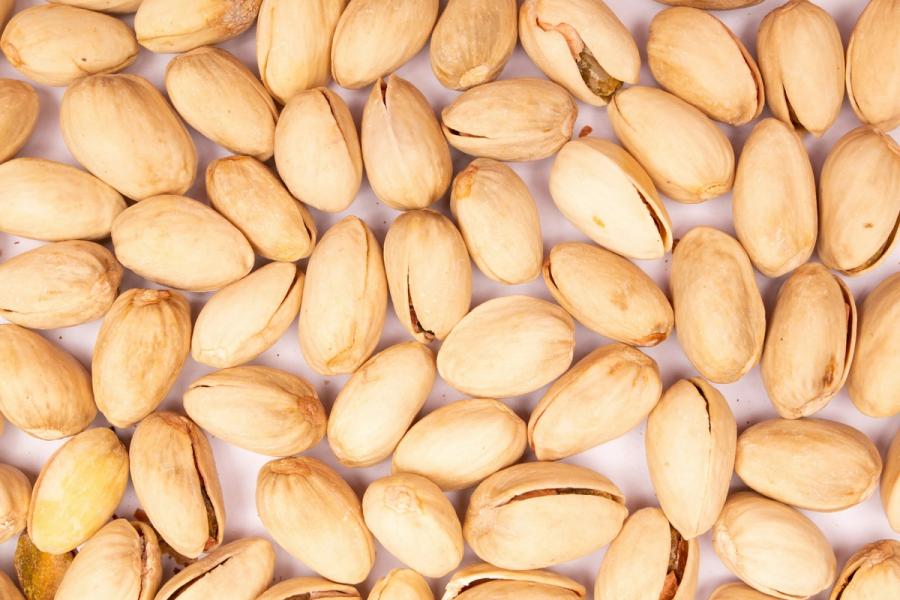
Raw pistachios supply 1.700 mg of vitamin B6 per 100 g, or about 0.48 mg per ounce. The same record contains 20.16 g of protein and 10.6 g of fiber per 100 g. USDA's ounce measure is approximately 49 kernels: the edible part is what counts toward the portion, not the shells. The green kernels add color as well as crunch to a dish.
That ounce provides about 159 calories, 5.7 g of protein, and 3 g of fiber. Shelled pistachios are convenient for chopping over yogurt, oatmeal, or a salad, while in-shell nuts can be portioned by their edible weight. Choose the form that suits the meal, and check the label when buying a salted or flavored product. Plain kernels also pair easily with fruit for a snack with contrasting textures.
1. Almonds
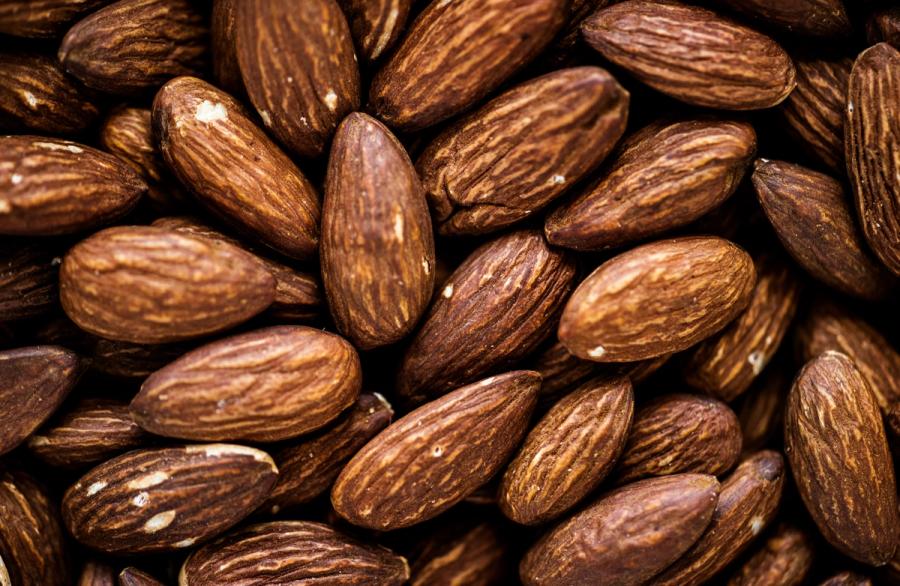
Almonds provide 25.63 mg of vitamin E per 100 g, or about 7.3 mg per ounce, in the USDA record used here. An ounce is approximately 23 whole kernels and contains about 164 calories. It also supplies about 6 g of protein and 3.5 g of fiber, making the portion more informative than the vitamin E figure alone.
Whole almonds can be eaten as a snack, while sliced or chopped almonds make an easy topping for oatmeal, salads, or plain yogurt. Measure the edible portion before adding it to a meal, particularly if you are combining several nuts. These figures describe unroasted almonds, not almond milk or a sweetened almond product. They are one useful option within a varied diet; our healthiest foods list puts nuts alongside other food groups.
A few safety points
Peanuts and tree nuts are major food allergens; avoid the nuts you are allergic to and check product labels. The CDC lists whole or chopped nuts and spoonfuls or chunks of nut butter as choking hazards for young children. Choose food textures appropriate to your child's development and supervise eating.
For everyday choices, FDA advises low-sodium or no-salt-added nuts. Keep portions in mind, and pay particular attention to the selenium warning for Brazil nuts.
This is general information, not a substitute for advice from a doctor or registered dietitian.
SourcesSources are linked throughout the article. The main sources are listed below.
- USDA National Nutrient Database for Standard Reference, Legacy Release — nutrient values and portion weights for the forms listed (NDB 12061, 12151, 12155, 16390, 12120, 12078, 12087, 12142, 12147, 12131).
- FDA Food Labeling Guide, pages 109–110 — qualified health claims for nuts and walnuts.