Page 3 of 4 · Places 50–26
50. Kauai, Hawaii, United States
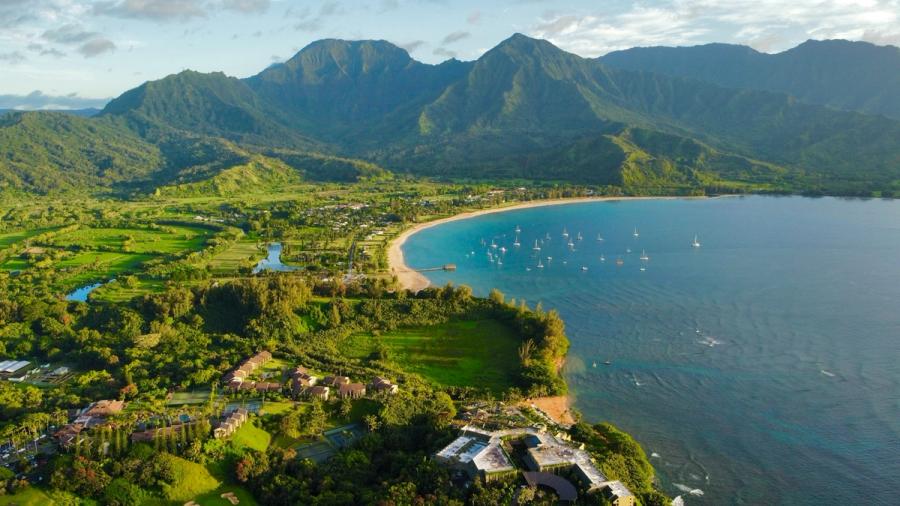
Kauai pairs the steep green cliffs of the Nāpali Coast with the deeply cut landscape of Waimea Canyon. The oldest of Hawaii’s main islands is often called the Garden Island, and its forests, waterfalls and river valleys explain the name. Hanalei Bay offers a gentler coastal scene, with mountains behind its broad shore. The variety is the draw: even within one island, the view shifts from lush valleys to exposed cliffs and red canyon walls.
49. The Himalayas, Asia
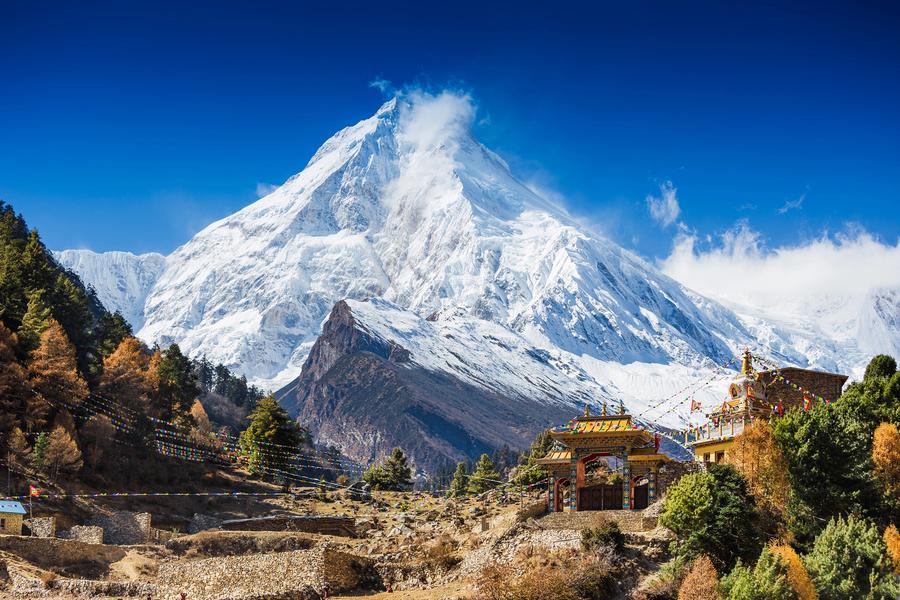
The Himalayas bring together snow-covered summits, glaciers and valleys on a scale few landscapes can match. In Nepal’s Sagarmatha National Park, Mount Everest rises above a landscape also shaped by Sherpa settlements and traditions. This is a mountain region with living communities, not simply a collection of peaks. Forested lower slopes, rivers and high ice fields offer very different views, while the distances between them make the range feel immense.
48. Whitehaven Beach, Australia
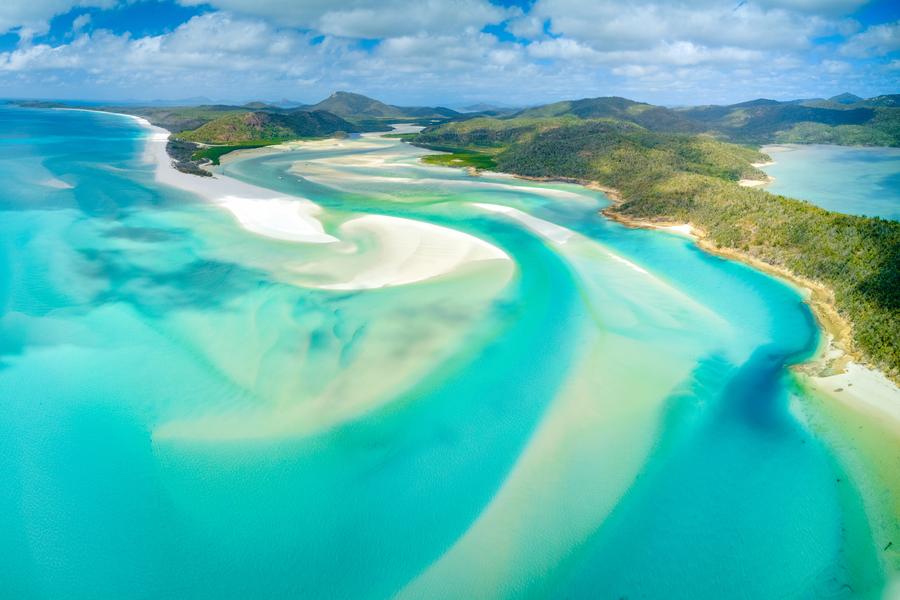
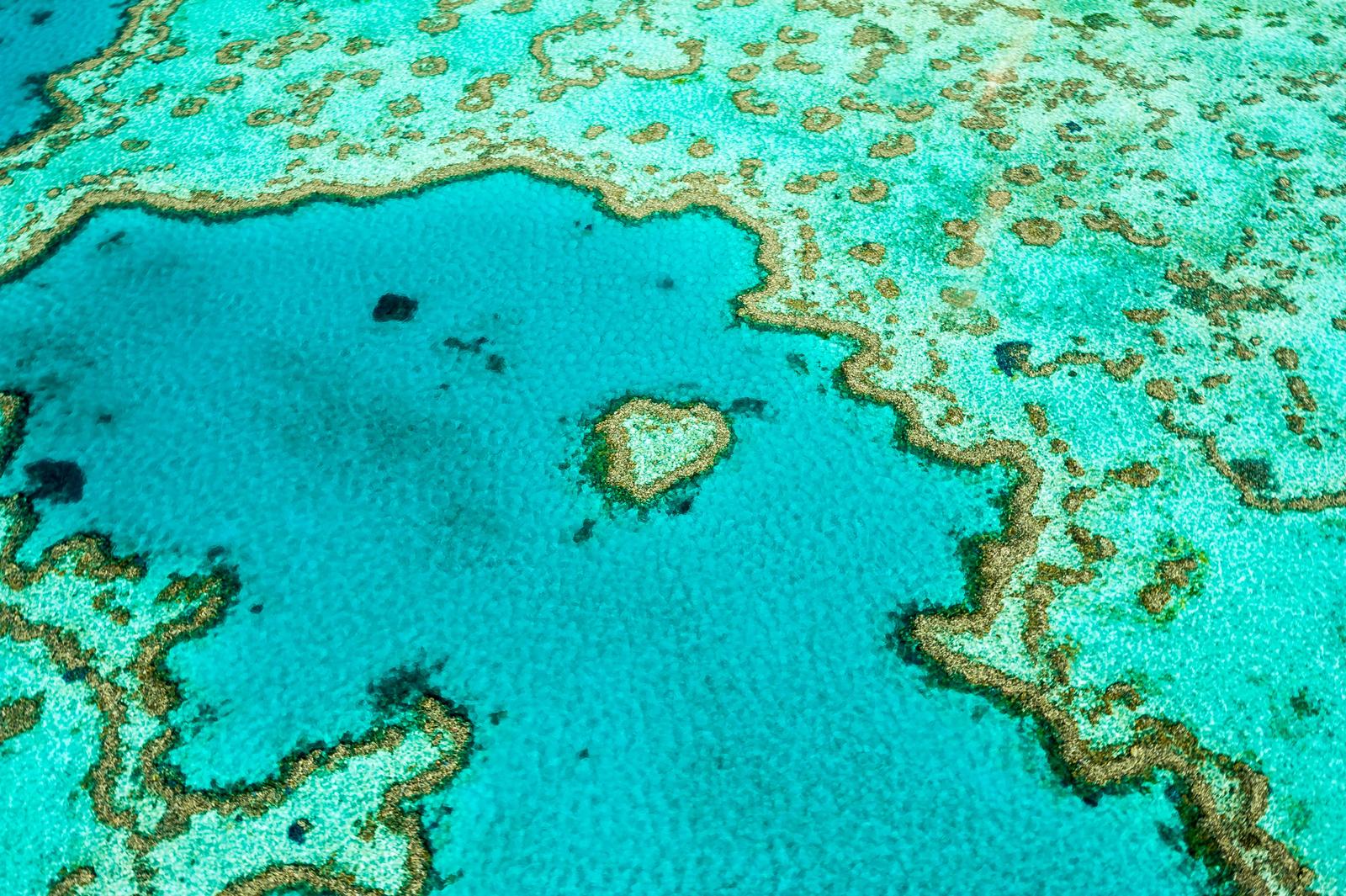
Whitehaven Beach stretches for about 4.3 miles (7 km) along Whitsunday Island, with pale silica sand beside clear blue water. The contrast between beach, wooded slopes and sea makes it one of Queensland’s most distinctive coastal scenes. Walking along the shore reveals changing patterns in the sand and shallows. Access is by boat, and the national park’s campsite lets visitors stay longer; a camping permit is required rather than simply choosing a spot.
47. Bagan, Myanmar
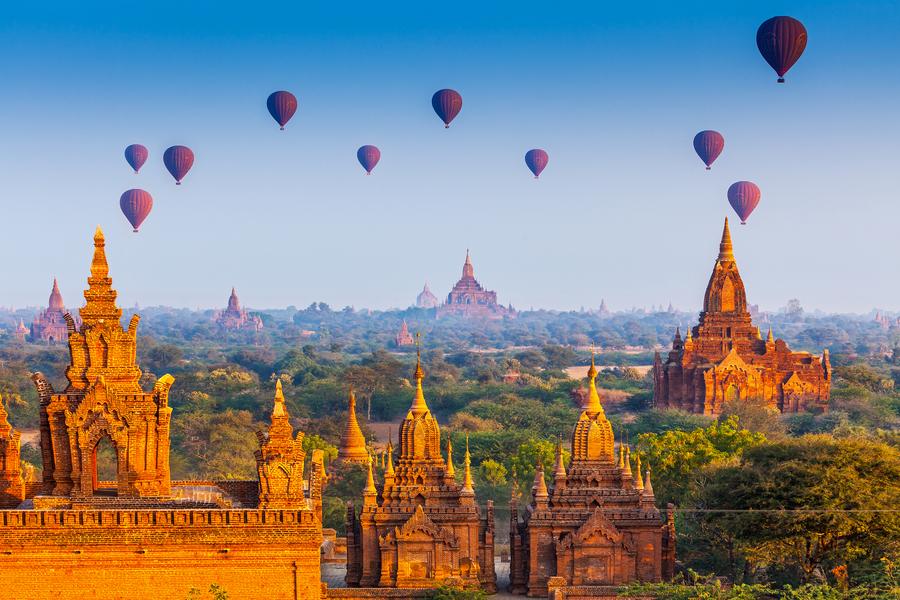
Temples and stupas rise across the plain at Bagan, beside a bend in the Ayeyarwady River. Much of its remarkable Buddhist architecture reflects the city’s importance between the 11th and 13th centuries. Seen together, the brick monuments create a skyline of towers rather than modern buildings. Travel needs particular care: as of October 2026, the UK advises against all but essential travel to this part of Mandalay Region.
46. Galápagos Islands, Ecuador
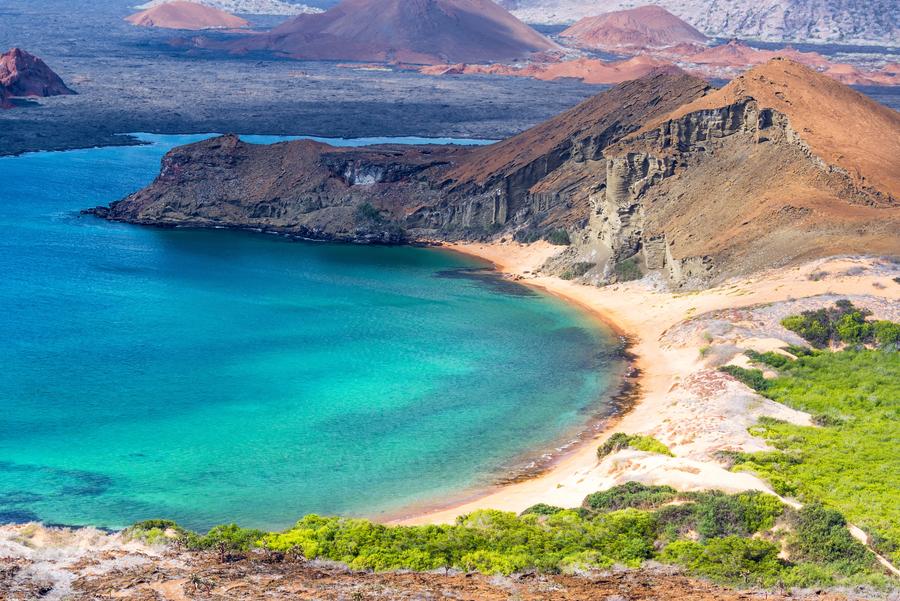
Volcanic islands and unusual wildlife give the Galápagos a beauty that extends beyond the shoreline. About 620 miles (1,000 km) from mainland South America, their isolation helped animals such as giant tortoises and distinctive finches evolve in remarkable ways. Dark lava, open sea and rugged coasts form the setting for these encounters. The islands also sit where ocean currents meet, supporting a rich marine environment alongside the landscapes that made Darwin’s visit so influential.
45. Madagascar
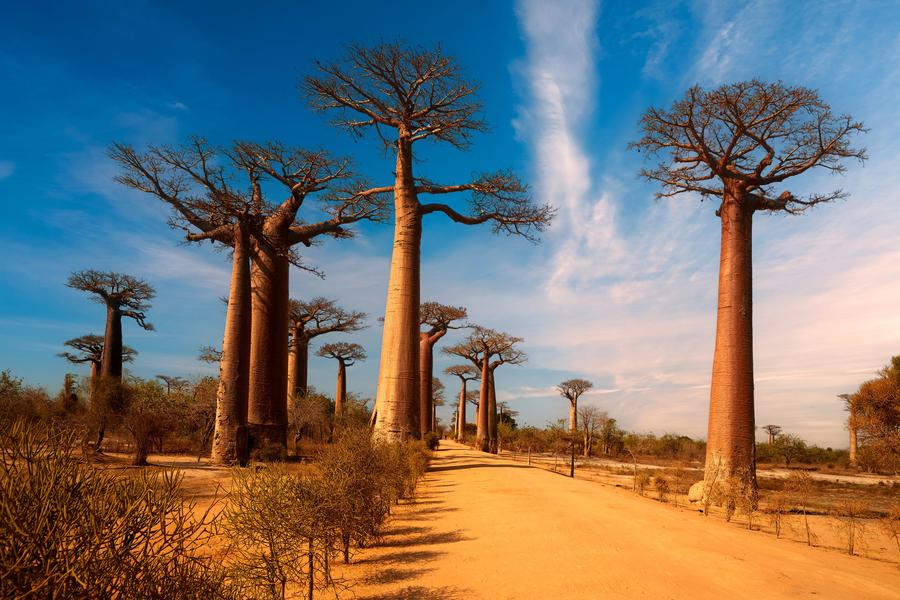
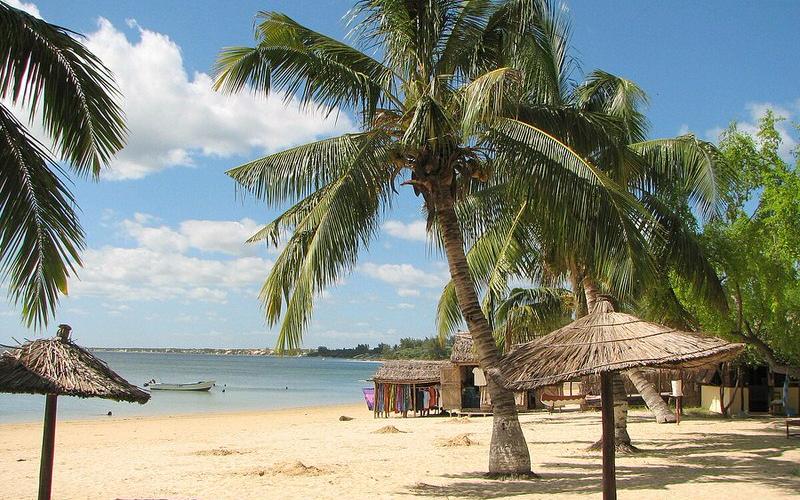
Madagascar’s landscapes can feel startlingly unfamiliar, from massive baobabs to sharp limestone formations called tsingy. In the western Andrefana Dry Forests, forests, limestone uplands and river canyons protect plants and animals found nowhere else. Lemurs and rare birds are part of the appeal, but the shapes of the land and trees are equally striking. The island rewards looking closely: its beauty lies in unusual details as much as in sweeping views.
44. Dubai, United Arab Emirates
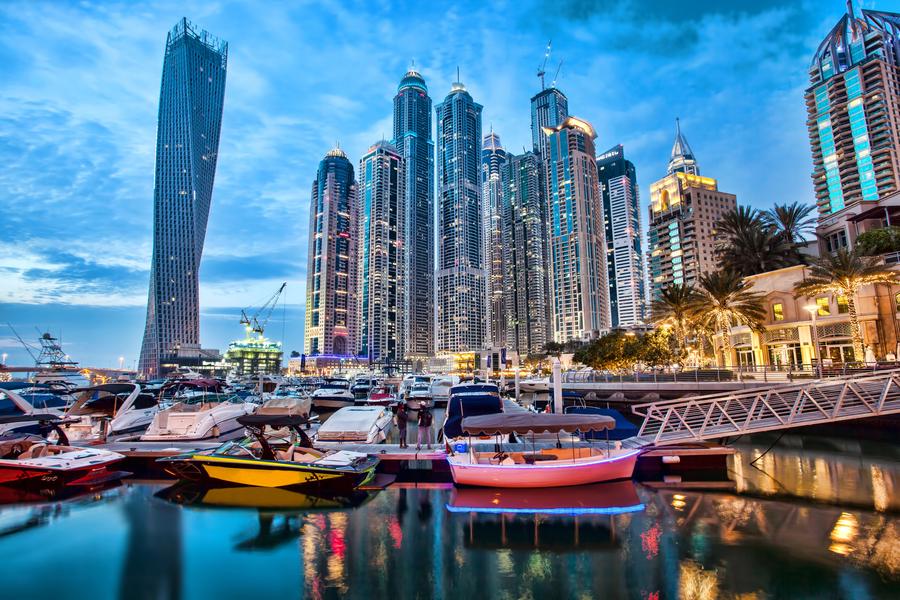
The Burj Khalifa rises about 2,717 feet (828 m), giving Dubai’s skyline a focal point visible far beyond the surrounding towers. Its tapering form and reflective exterior make the city’s modern architecture especially striking against a clear desert sky. From the observation decks, buildings that seem enormous at street level become part of a much wider urban pattern. This is a destination where the attraction is largely built beauty: bold shapes, height and carefully arranged views. Dubai Marina offers another skyline of waterfront towers, pictured above.
43. Ladakh, India
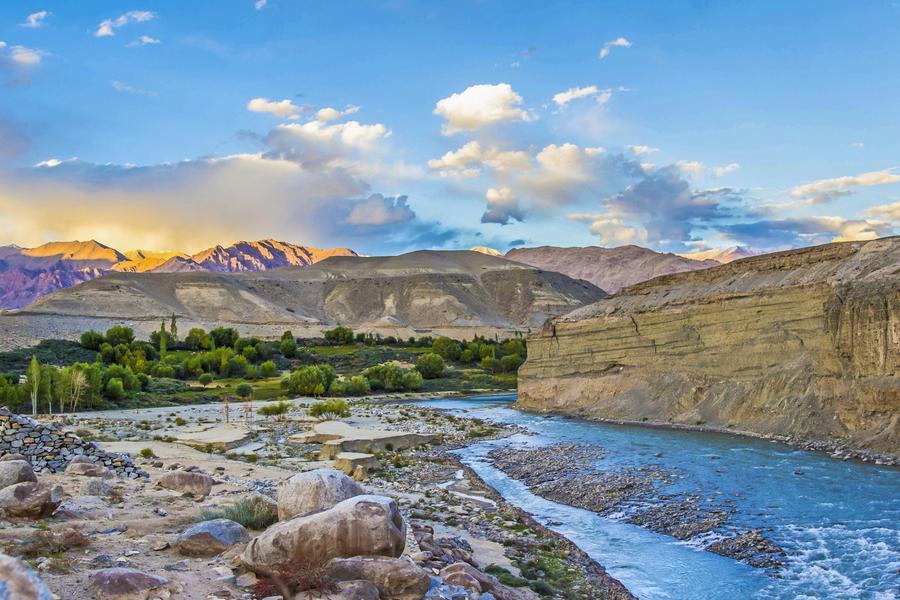
Bare mountains, high lakes and hillside monasteries give Ladakh a landscape of strong colors and open space. Around Leh, monasteries such as Thiksey and Hemis connect the scenery with the region’s Buddhist traditions. Farther east, the lakes and pastures of Changthang sit among mountains with remarkably little vegetation. The beauty comes partly from that sparseness: blue water, pale slopes and white buildings stand out clearly, with few distractions between the eye and the horizon.
42. Kerala, India
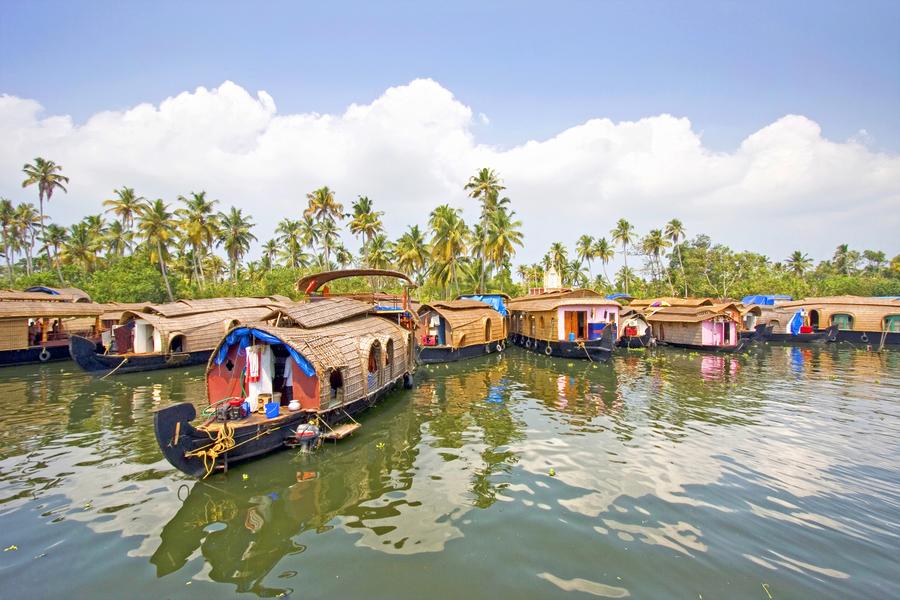
Palm-lined waterways create one of Kerala’s most recognizable landscapes, with boats moving between villages, fields and stretches of open water. The region’s houseboats developed from traditional kettuvallams, once used to carry goods such as rice and spices. Around Alappuzha, they offer a slow way to see the backwaters rather than passing the scenery from a road. Reflections, overhanging greenery and daily life along the banks give the journey its character.
41. Death Valley, United States
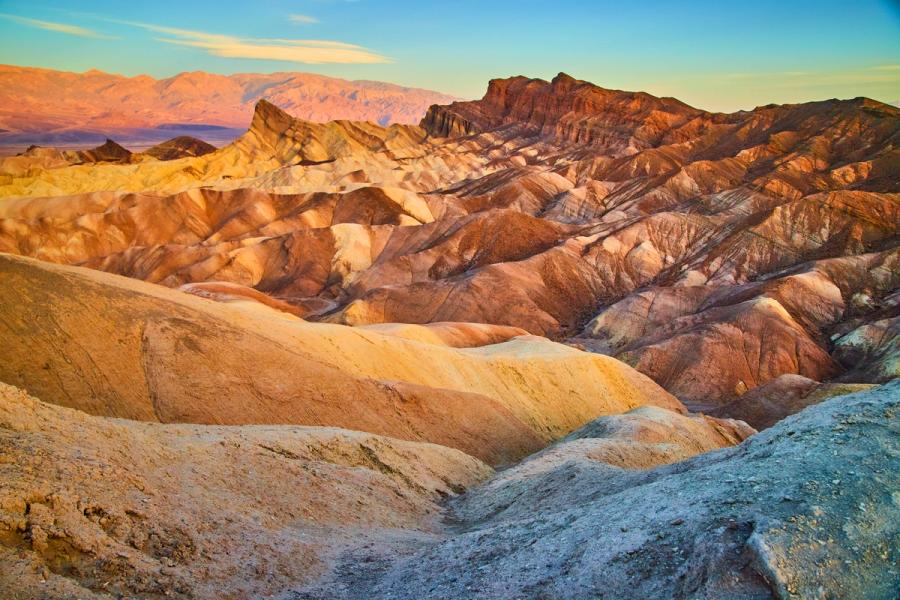
At 282 feet (86 m) below sea level, Badwater Basin is North America’s lowest point. Its salt flats spread beneath steep mountains, with evaporating water leaving a pale crust that can form geometric patterns. Zabriskie Point, pictured above, overlooks yellow and brown badlands carved by water. These contrasting landscapes reveal different sides of Death Valley. The setting is beautiful but exposed: the National Park Service warns against walking onto Badwater’s flats in extreme summer heat.
40. The Wave, Arizona, United States
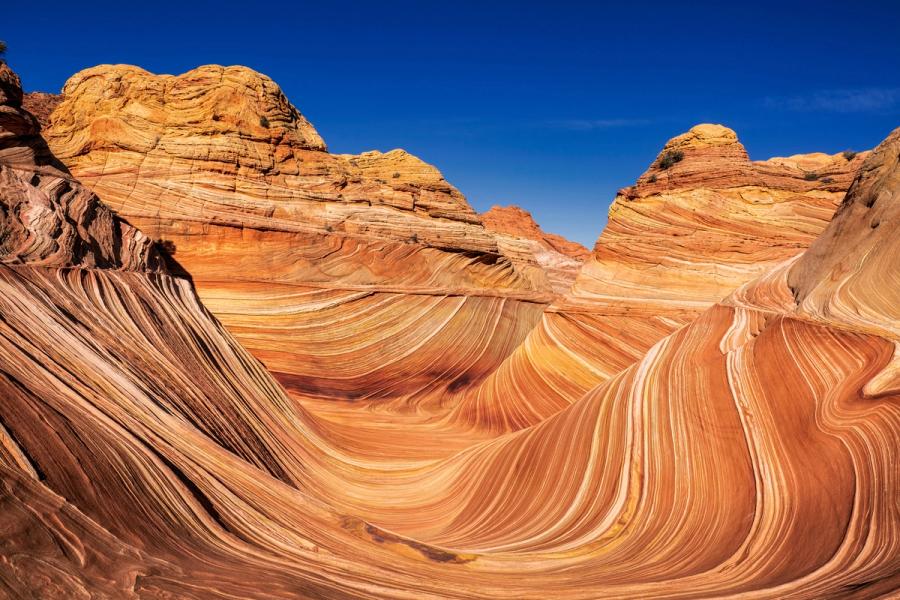
Curving bands of sandstone make The Wave look like ripples that have turned to stone. The formation lies in the Coyote Buttes North area, near the Arizona–Utah border, where smooth surfaces and warm colors create an unusually fluid landscape. As of October 2026, a permit is required. The Bureau of Land Management describes the suggested route as a strenuous 6.4-mile (10.3 km) round trip through undeveloped terrain, requiring navigation skills rather than a marked trail.
39. Victoria Falls, Zambia and Zimbabwe
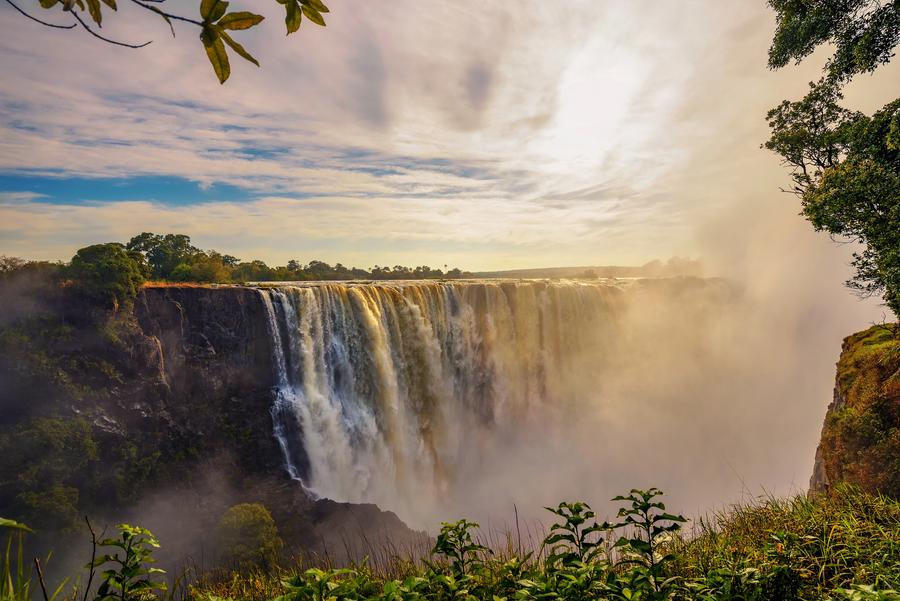
The Zambezi River drops across a waterfall about 5,600 feet (1,708 m) wide at Victoria Falls, on the border of Zambia and Zimbabwe. Water plunges into basalt gorges, sending spray above the rim and creating rainbows when the light is right. Also called Mosi-oa-Tunya, the falls are as much an experience of sound and mist as a view. Vegetation nourished by the spray adds a green edge to the immense curtain of water.
38. Giethoorn, Netherlands
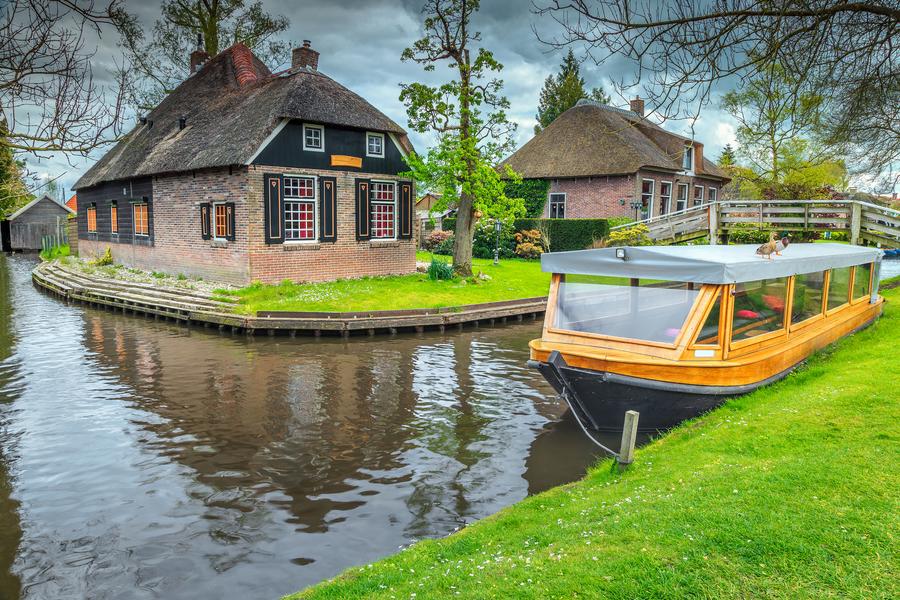
Narrow canals, wooden bridges and thatched houses give Giethoorn its distinctive village scenery. The waterways bring reflections into almost every view, while low bridges frame the small boats moving beneath them. Rather than one grand monument, the appeal comes from the relationship between homes, gardens and water. A slow journey along a canal reveals these details at close range, with the curved roofs and tree-lined banks creating a softer scene than a city waterfront.
37. Paris, France
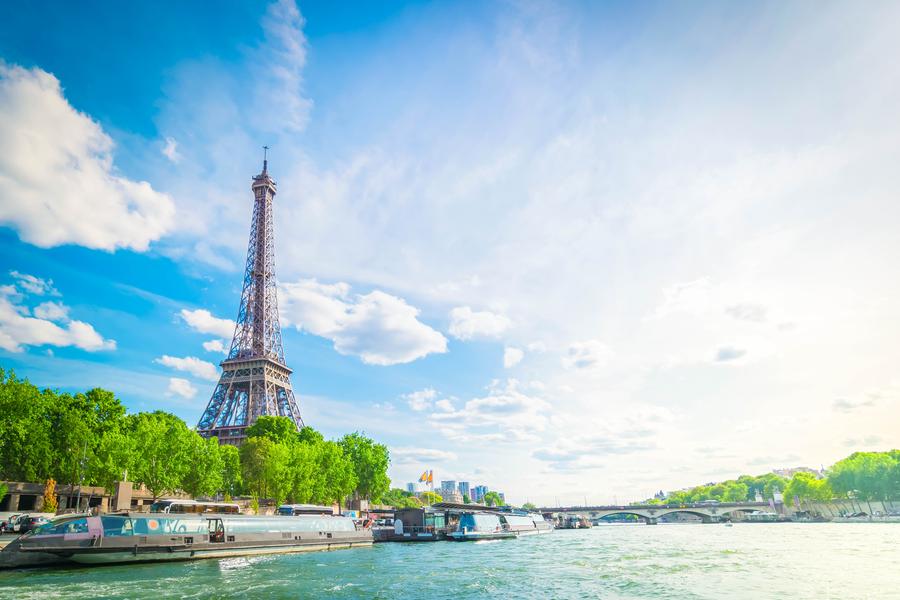
The banks of the Seine bring many of Paris’s best-known landmarks into one connected landscape. From the Louvre toward the Eiffel Tower, bridges, embankments and major buildings show how the city has developed over centuries. Notre-Dame and Sainte-Chapelle add remarkable Gothic architecture, while broad avenues open long views through the streets. Walking beside the river offers a way to appreciate the city’s proportions and details, rather than treating each famous building as a separate stop.
36. Petra, Jordan
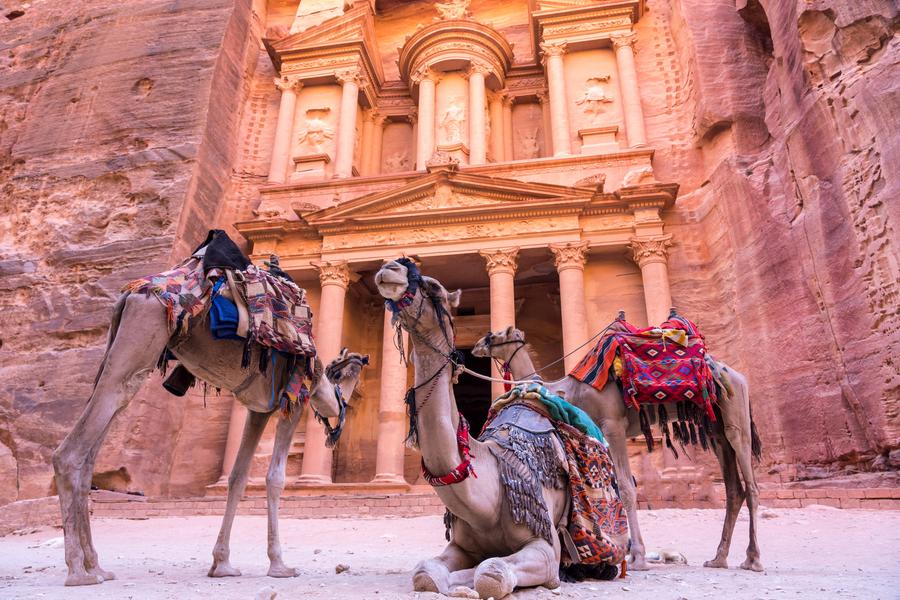
Carved facades emerge from the surrounding rock at Petra, the ancient Nabataean city in southern Jordan. Its buildings blend into a mountain landscape cut by narrow passages and deep gorges. Once a crossroads for caravans moving between Arabia, Egypt and the Mediterranean world, Petra combines architectural detail with the scale of the cliffs themselves. The contrast is striking: carefully shaped columns and entrances stand against irregular rock, showing how a city could grow within a rugged desert setting.
35. Yosemite Valley, United States
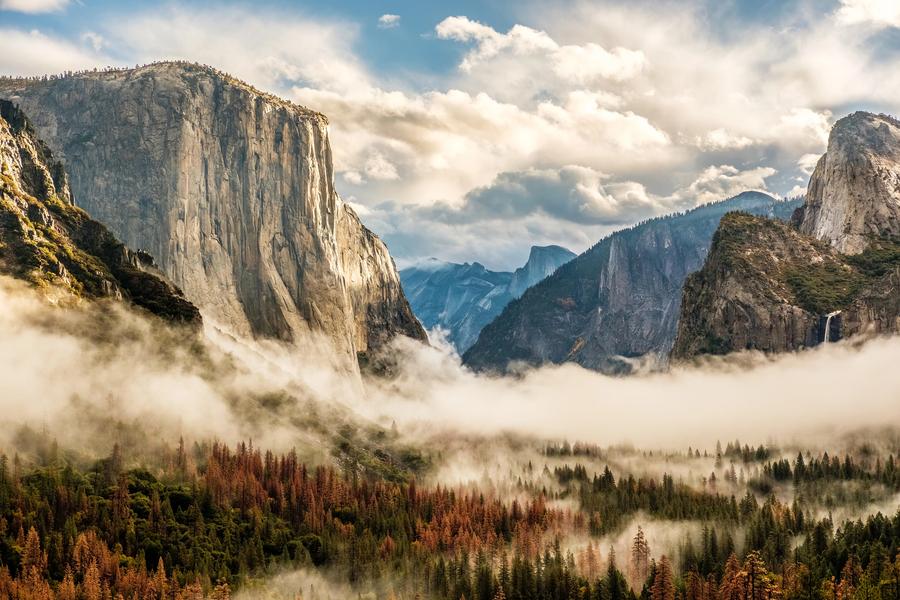
Glaciers helped shape Yosemite’s granite landscape, leaving steep walls, polished rock and a broad valley beneath the surrounding heights. Waterfalls add movement to a scene otherwise dominated by enormous stone surfaces. In Yosemite Valley, California, forests and open ground provide a sense of scale against those cliffs. The changing light reveals different textures across the granite, so a familiar view can look quite different as shadows move over the valley.
34. Stonehenge, England, United Kingdom
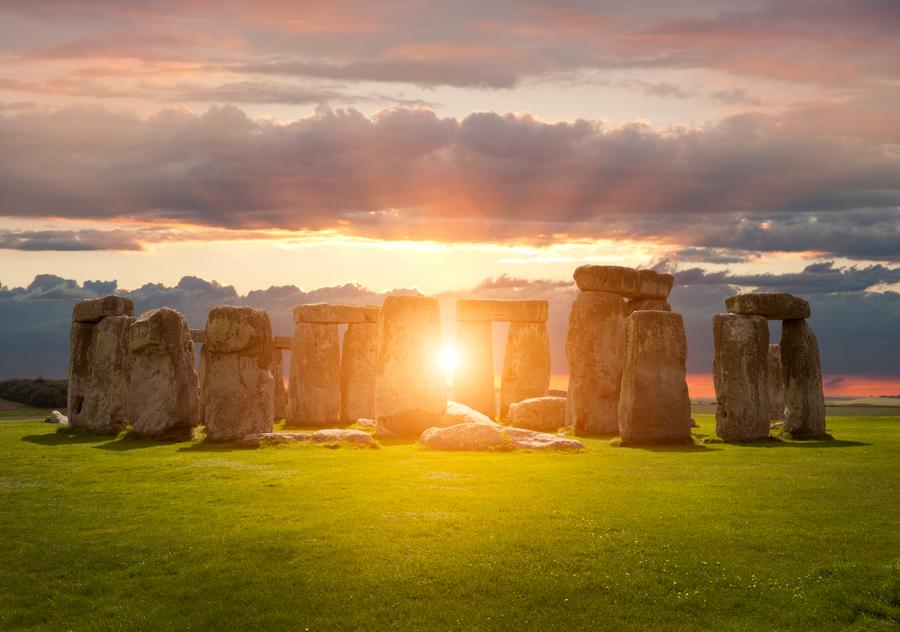
Stonehenge’s huge uprights and horizontal lintels form an unmistakable silhouette against the open Wiltshire sky. Its builders shaped joints into the stones so that the great blocks fitted together, using techniques more often associated with woodwork. This carefully arranged monument belongs to a wider prehistoric landscape recognized by UNESCO. Its beauty is spare rather than decorative: heavy stone, open space and a pattern that still draws the eye after thousands of years.
33. Yellowstone National Park, United States
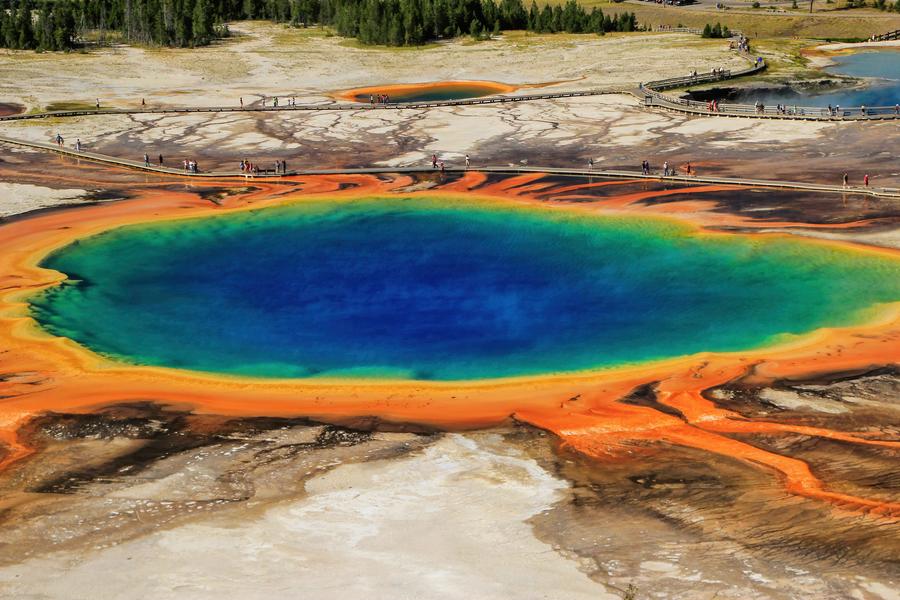
Geysers, hot springs and rising steam give Yellowstone a landscape shaped by heat beneath the ground. Established in 1872, the park lies mainly in Wyoming, with smaller portions in Montana and Idaho. Its geothermal areas sit within a much larger world of forests and wildlife, including bison, wolves and grizzly bears. That combination makes the scenery unusually varied: an open valley and a steaming basin can feel like entirely different places within the same park.
32. Phi Phi Islands, Thailand
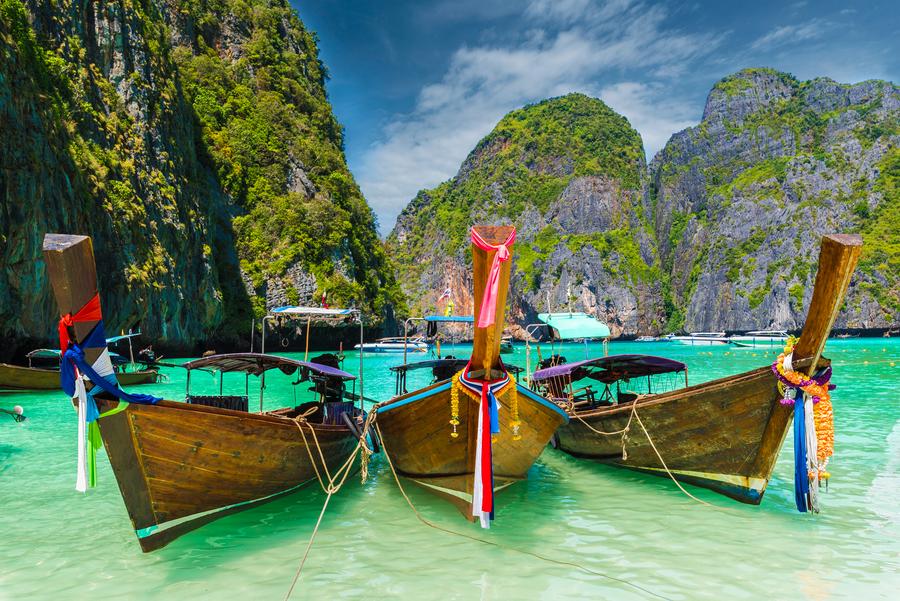
Limestone cliffs rise steeply from blue water around the Phi Phi Islands in Thailand’s Krabi province. On Phi Phi Leh, Maya Bay curves between high rock walls, with a pale beach at the head of the cove. The enclosing cliffs give the water an especially vivid setting. Across the islands, small bays and rugged headlands break up the coastline, creating a succession of views where beach, sea and rock are closely packed together.
31. Namib Desert, Namibia
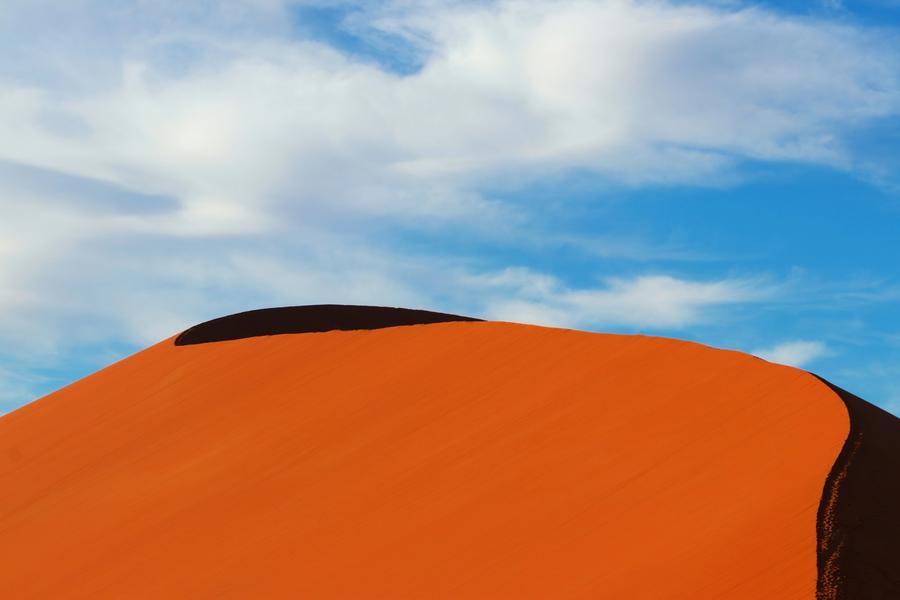
Dunes stretch toward the Atlantic along the Namib Sand Sea, where coastal fog helps sustain life in an otherwise extremely dry landscape. Wind, rivers and ocean currents have all contributed to moving the sand that forms these immense fields. Their sharp ridges and sweeping slopes catch light differently, producing strong contrasts between glowing faces and deep shadows. Gravel plains and rocky hills interrupt the dunes, adding variety to one of Namibia’s most distinctive landscapes.
30. Plitvice Lakes National Park, Croatia
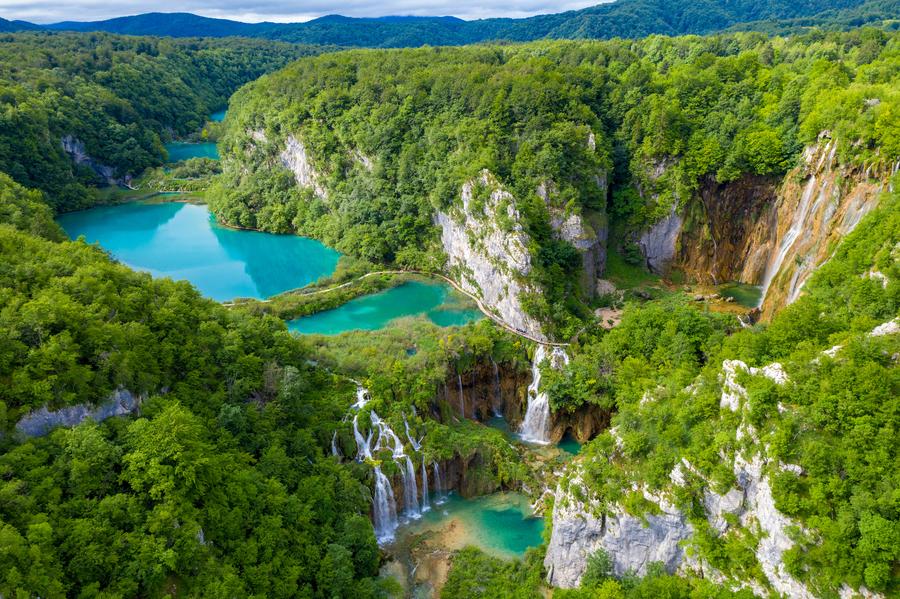
Water continually reshapes Plitvice’s lakes and waterfalls by depositing minerals that build natural barriers across its course. These travertine dams divide the water into a series of connected basins, with cascades spilling between them. Forest surrounds the lakes, adding reflections and changing seasonal color to the scene. The landscape is still forming, so its beauty is more than a fixed arrangement of pools: it comes from an ongoing interaction between flowing water, rock and living surroundings.
29. Cappadocia, Turkey
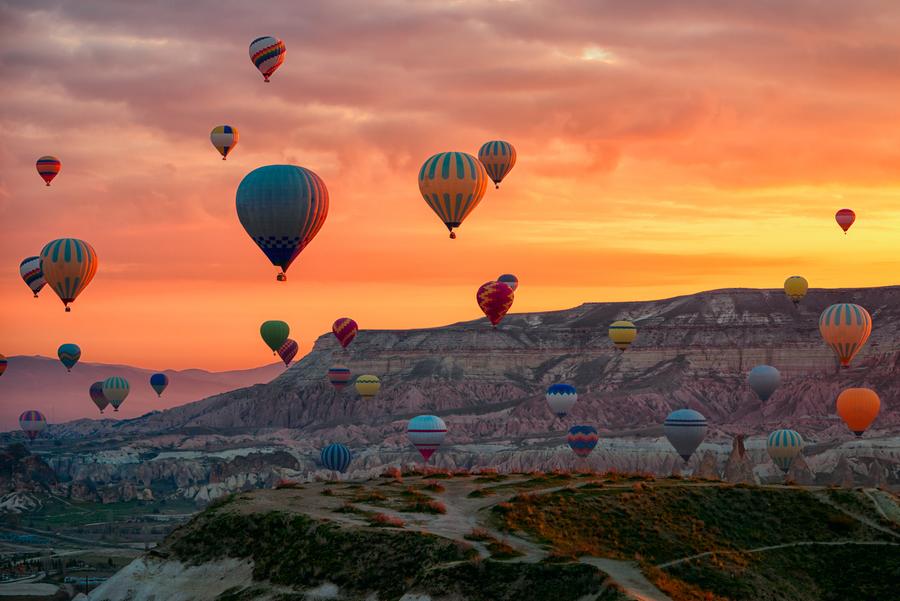
Erosion has carved Cappadocia’s Göreme landscape into an extraordinary collection of ridges, cones and valleys. People then cut homes and churches into the rock, creating settlements that seem to grow from the surrounding terrain. Painted sanctuaries preserve important Byzantine art, while underground towns reveal another side of life in the region. From a distance, the scenery can look almost abstract; closer inspection shows doorways, windows and carefully decorated interiors within those unusual natural forms.
28. Angel Falls, Venezuela
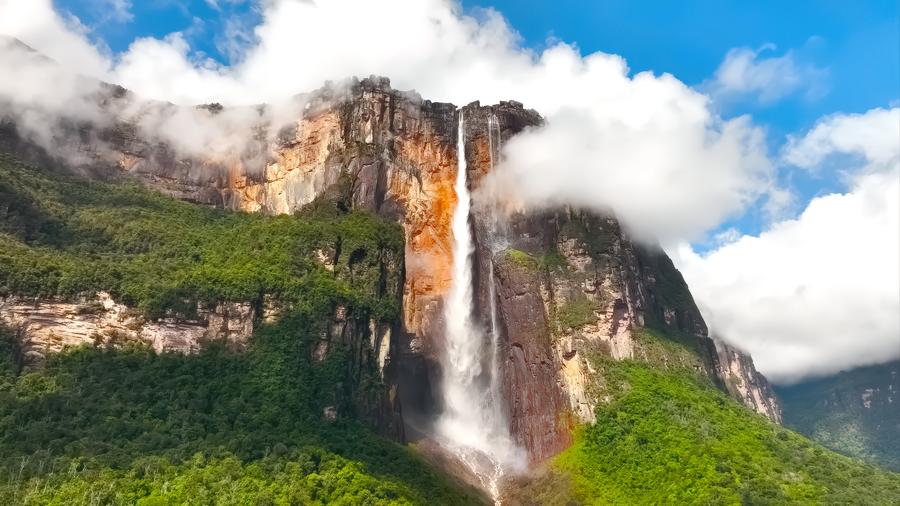
The world’s highest waterfall drops from the great table-mountain landscape of Canaima National Park in southeastern Venezuela. Angel Falls is striking because of the setting as well as the fall itself: a narrow stream descends beside an enormous cliff, with forest spreading below. The park’s flat-topped mountains, known as tepuis, create sheer edges and isolated summits. Water, rock and vegetation appear on very different scales, making the surrounding landscape feel as dramatic as the waterfall.
27. Seychelles
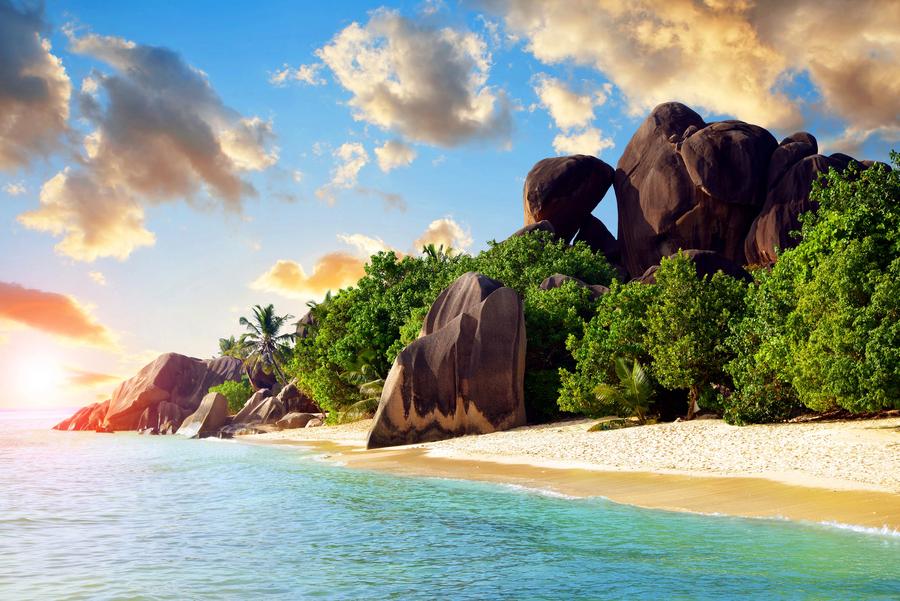
Rounded granite boulders frame pale sand and blue water on La Digue, giving Seychelles some of its most recognizable coastal scenery. Anse Source d’Argent is especially known for these sculpted rocks. The islands also offer remarkable landscapes inland: Praslin’s Vallée de Mai protects a natural palm forest that includes the coco de mer. Together, the beaches and forest show why the archipelago’s appeal reaches beyond a simple picture of sea and sand.
26. Twelve Apostles, Australia
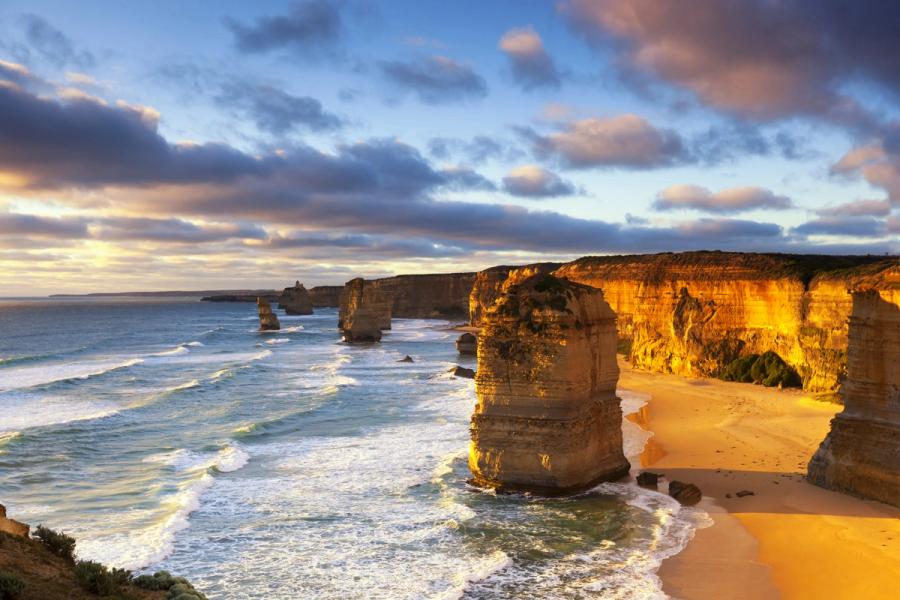
The Twelve Apostles’ limestone stacks rise from the Southern Ocean beside Victoria’s Great Ocean Road. They are remnants of the mainland, left standing as erosion wore away the surrounding coast. Waves continue to shape the cliffs and stacks, so the scene is changing rather than permanent. Viewed from above, the pale rock, white surf and darker sea create strong bands of color, while the gaps between the stacks reveal the scale of the open coast.