Page 2 of 4 · Places 75–51
75. Torres del Paine National Park, Chile
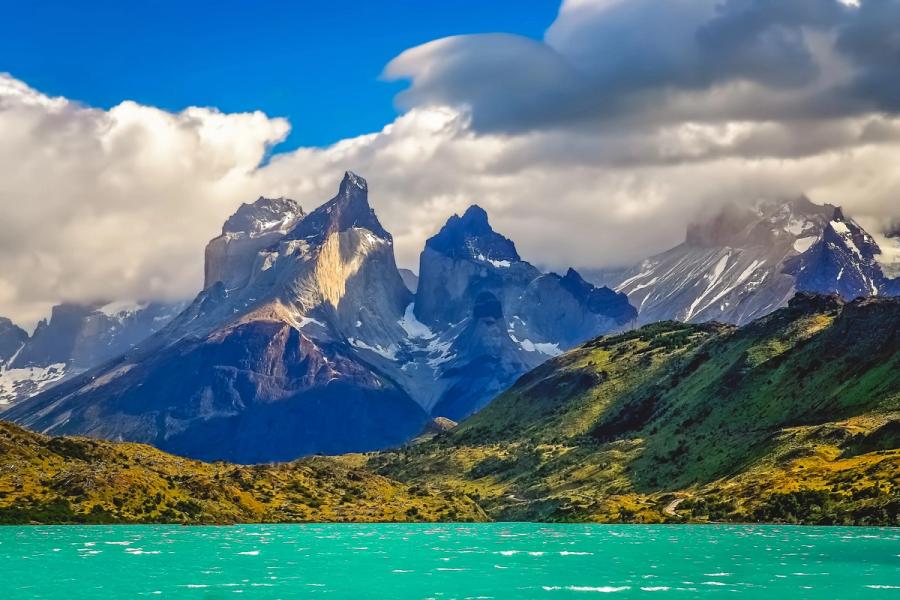
Jagged towers, glaciers and turquoise lakes meet the open Patagonian steppe at Torres del Paine. In southern Chile, the park forms the heart of a UNESCO biosphere reserve, recognized in 1978. Forest, scrubland and high mountain environments occur close together, giving the scenery remarkable variety. A view across one lake may frame bare rock, wooded slopes and ice at once. It is this meeting of landscapes that makes the park such a compelling place to explore.
74. Lençóis Maranhenses National Park, Brazil
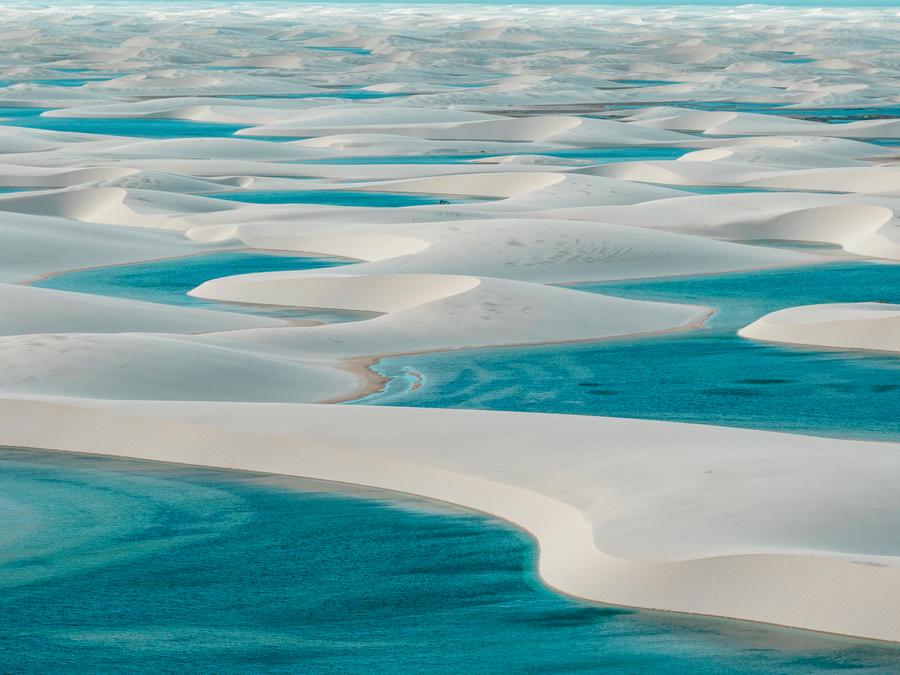
White dunes surround blue and green lagoons in Lençóis Maranhenses National Park, a World Heritage Site since 2024. Although the scenery resembles a desert, this part of northeastern Brazil receives a rainy season that fills hollows between the dunes. Wind continually reshapes the sand, while changing water levels alter the colors and outlines of the pools. The landscape is especially striking when the lagoons are full, revealing bands of water tucked between sweeping pale ridges.
73. Providenciales, Turks and Caicos Islands
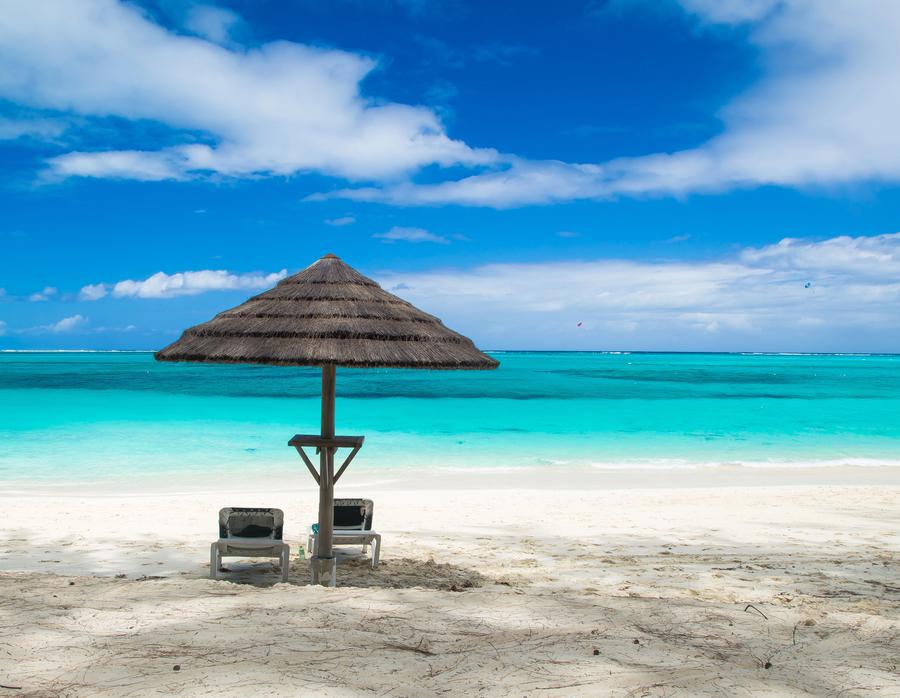
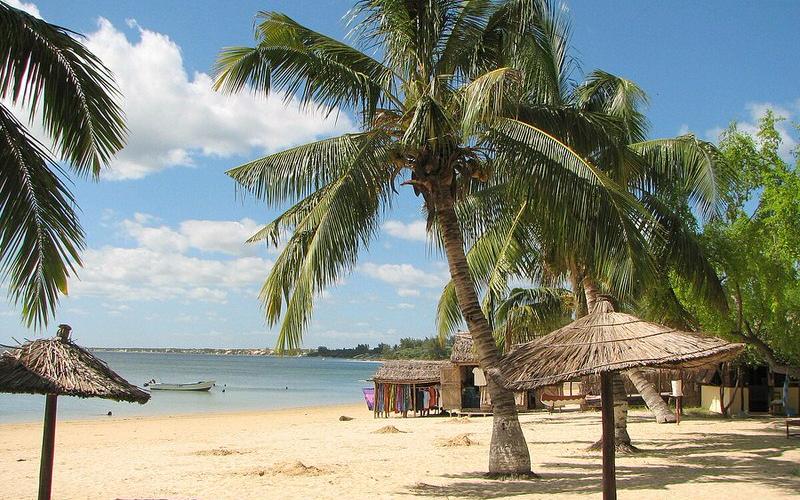
White sand and clear turquoise water are the defining sights of Providenciales, often called Provo. This island in the Turks and Caicos, a British Overseas Territory, offers the famous shoreline of Grace Bay as well as quieter coastal scenes. At Chalk Sound National Park, small green islets interrupt an expanse of bright water that visitors can explore by kayak or paddleboard. Reefs, mangroves and nearby cays add variety beyond a day on the beach.
72. Mount Rushmore National Memorial, United States
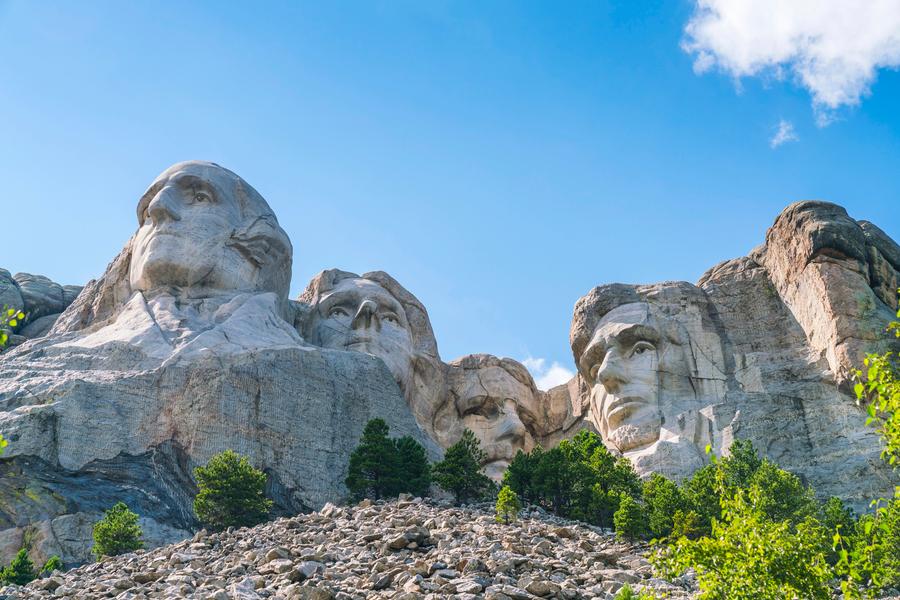
Four presidential portraits emerge from granite in South Dakota’s Black Hills at Mount Rushmore National Memorial. Their scale is extraordinary: George Washington’s head is 60 feet (18.3 m) tall. The monument also depicts Thomas Jefferson, Theodore Roosevelt and Abraham Lincoln. Carved between 1927 and 1941, it combines monumental sculpture with a rugged mountain setting. Seeing the faces above the surrounding rock and forest gives a much clearer sense of their size than a close-up photograph alone.
71. Neuschwanstein Castle, Germany
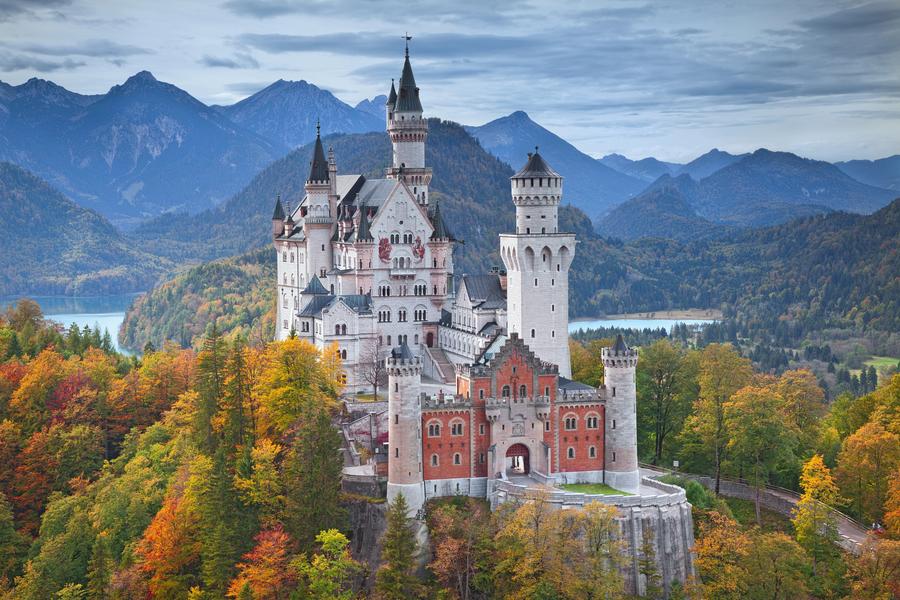
Pale towers rise above wooded slopes at Neuschwanstein, the Bavarian castle commissioned by King Ludwig II. Its medieval appearance hides a much later origin: the foundation stone was laid in 1869, and modern construction methods helped realize the king’s elaborate plans. The mountain setting is as memorable as the building, with forest and distant peaks framing its outline. Visits inside are by guided tour only, so arrange a ticket before making the journey uphill.
70. Monument Valley, United States
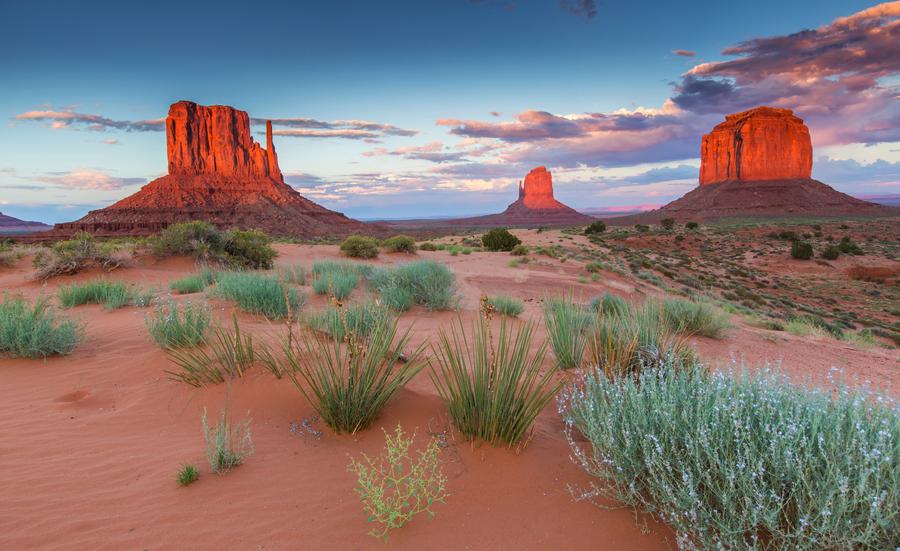
Flat-topped sandstone buttes rise from a wide red desert in Monument Valley, on the Arizona–Utah border. The landscape belongs to the Navajo Nation’s tribal park, where wind and water have gradually worn away softer rock, leaving towers above the valley floor. The scenic drive gives changing views of these formations, while guided trips offer another way to explore. Low sunlight brings out the ridges and deepens the contrast between orange stone and purple shadows.
69. Dominican Republic
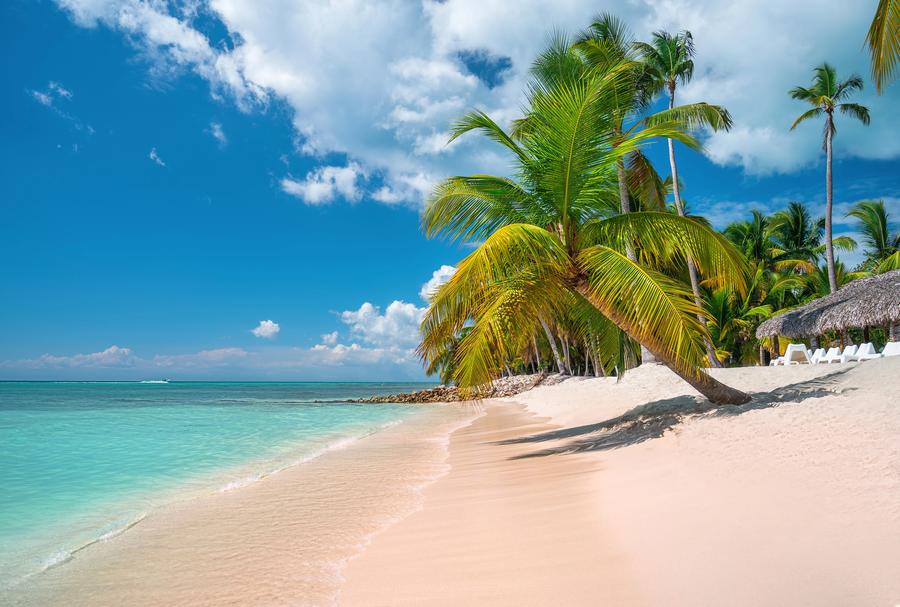
The Dominican Republic’s appeal stretches from bright Caribbean beaches to forested hills and waterfalls. Punta Cana offers long sandy shores such as Bávaro and Macao, while the Samaná Peninsula brings mountains, rainforest and the El Limón waterfall into the picture. Humpback whales visit Samaná Bay during the winter breeding season. For a varied trip, combine time beside the water with a journey inland, where the island’s scenery becomes greener and more rugged.
68. Geirangerfjord, Norway
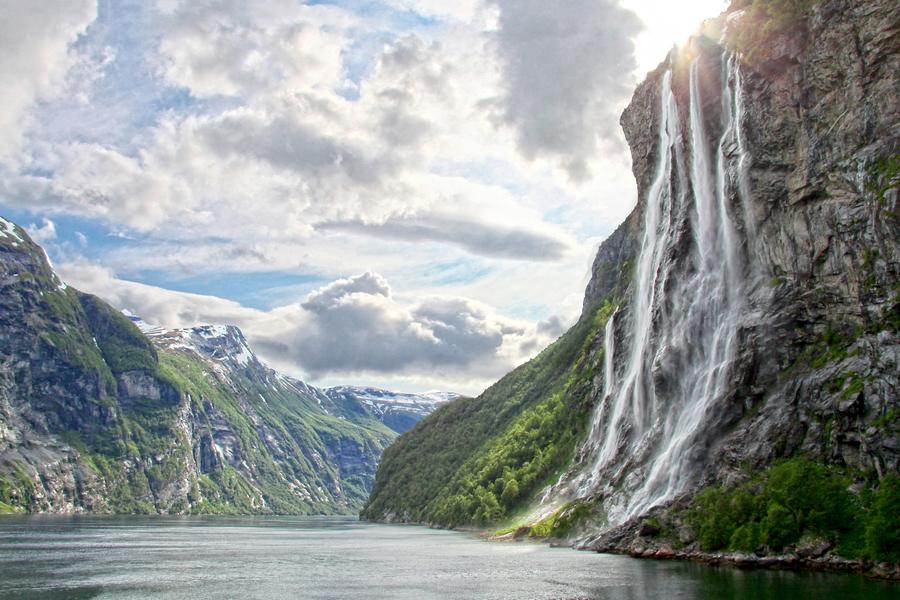
Dark blue water, steep mountain walls and thin waterfalls make Geirangerfjord one of Norway’s most striking landscapes. It forms part of the West Norwegian Fjords World Heritage Site, recognized for scenery shaped by repeated glaciation. Wooded slopes and small farms add detail to the huge rock faces. A boat journey reveals the waterfalls at close range, while viewpoints above the fjord show how the narrow waterway winds between the mountains.
67. Tikal, Guatemala
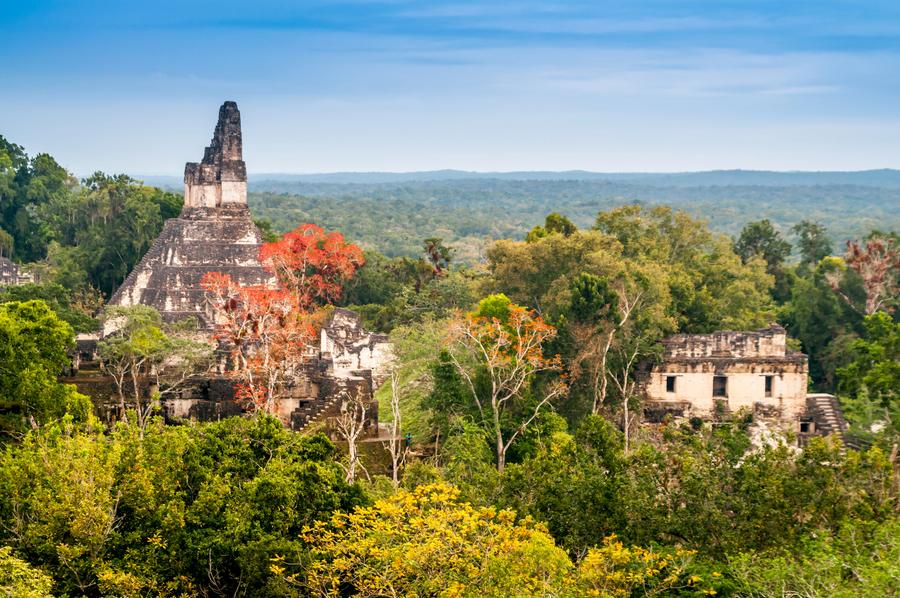
At Tikal, steep Maya temples rise above a green rainforest canopy in northern Guatemala. The national park is a UNESCO World Heritage Site for both its archaeological remains and its natural surroundings. Plazas, palaces and ceremonial buildings reveal the scale of this once powerful city, while birds and monkeys inhabit the forest around them. Walking between the ruins gives the visit its character: shaded paths suddenly open onto stone monuments that tower above the trees.
66. Copenhagen, Denmark
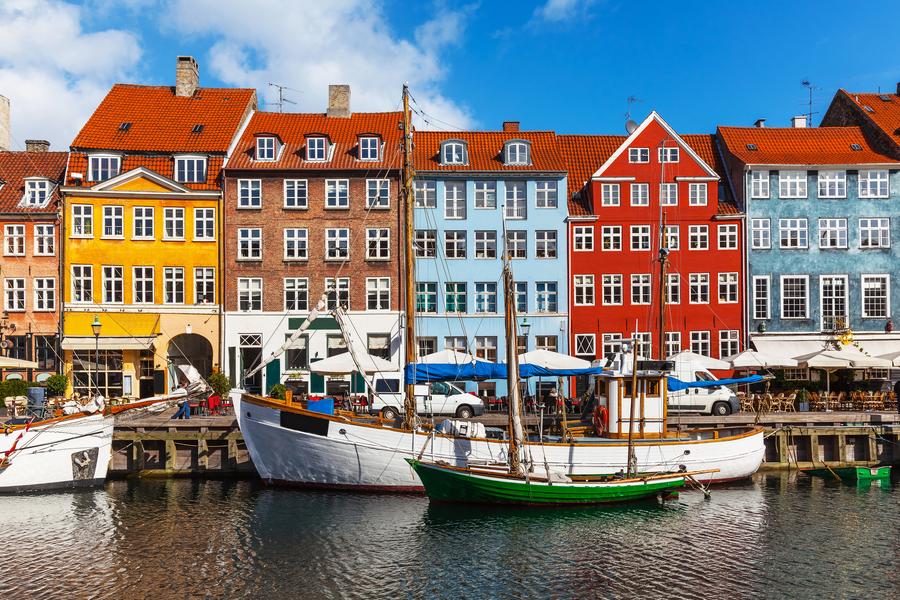
Copenhagen’s waterfront brings together painted houses, old boats and canals lined with places to sit outdoors. Nyhavn is the familiar scene, but the city’s colorful streets extend into Christianshavn and the yellow naval houses of Nyboder. The pleasure is in the smaller details as much as the landmarks: reflections beneath a bridge, a row of crooked facades or a quiet waterside street. It fits naturally among our most colorful cities.
65. Stone Forest, China
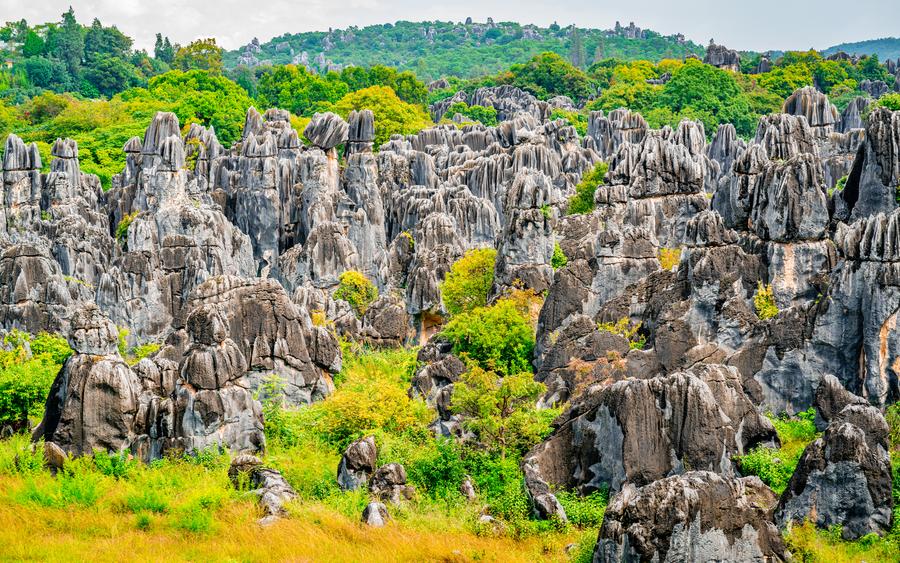
Sharp limestone pillars crowd together at Shilin, creating the impression of a forest made from stone. This landscape in Yunnan forms part of the South China Karst World Heritage Site, which protects several different kinds of karst scenery. Water has dissolved and shaped the rock over long periods, leaving narrow gaps, ridges and isolated towers. Paths through the formations bring their changing outlines into view, with vegetation softening the gray rock.
64. Palace of Westminster, United Kingdom
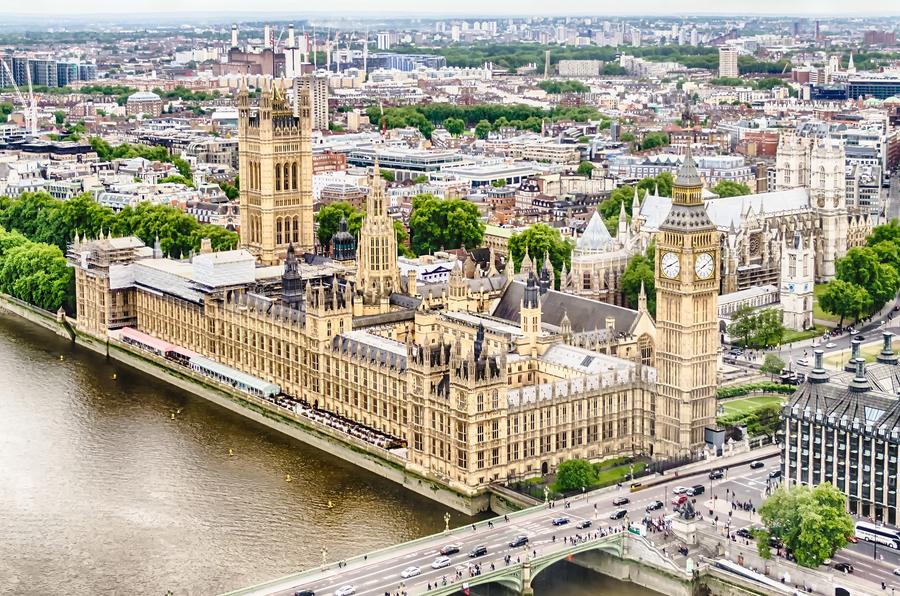
The Palace of Westminster stretches along the Thames with rows of pointed windows, ornate towers and a richly detailed skyline. Most of the present building followed the fire of 1834, with Charles Barry’s design and Augustus Pugin’s Gothic details shaping its appearance. It remains the home of the UK Parliament. From across the river, the long facade and Elizabeth Tower form a view that is especially striking when evening light catches the stone.
63. Arches National Park, United States
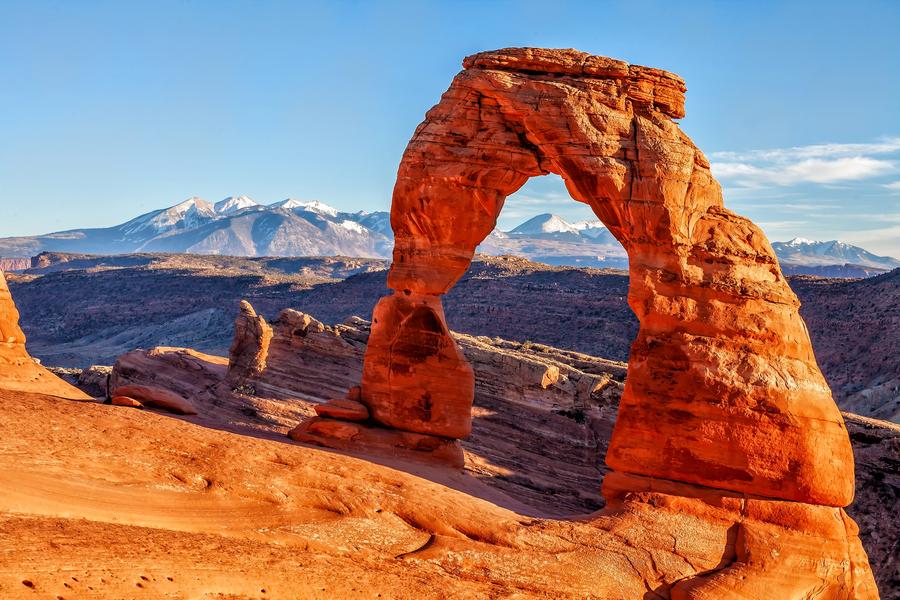
Red sandstone opens into windows, fins and sweeping curves at Arches National Park in Utah. The park contains more than 2,000 natural stone arches, formed as erosion works through rock already weakened by cracks. Some are delicate openings in a narrow wall; others frame broad desert views. Walking among them reveals how varied the landscape is, with balanced rocks and tall stone fins sharing the scene with the better-known arches.
62. Sydney, Australia
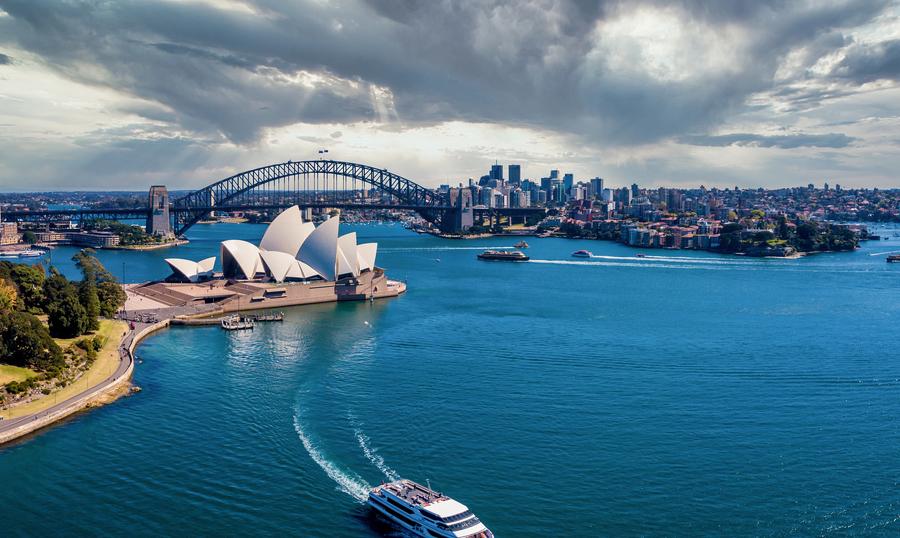
Sydney’s harbor gives the city its most memorable views: the Opera House’s white shells beside blue water, with the Harbour Bridge rising nearby. A ferry from Circular Quay turns an ordinary journey into a moving view of the waterfront, passing islands, wooded shores and small beaches. Back on land, the Royal Botanic Garden offers another perspective beside the Opera House. The combination of working city and open water is what makes Sydney so appealing.
61. Giant’s Causeway, United Kingdom
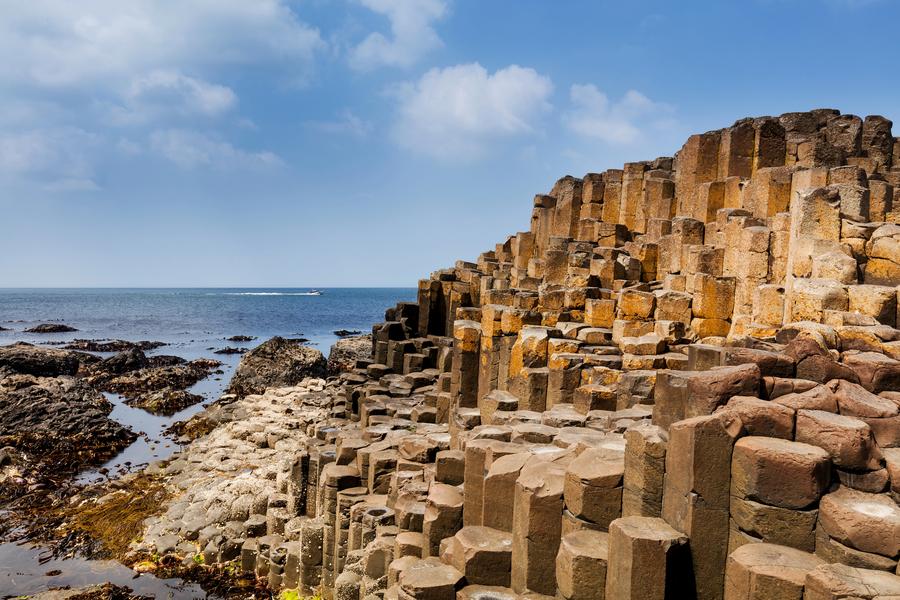
Thousands of closely packed basalt columns step down toward the sea at the Giant’s Causeway in Northern Ireland. The National Trust dates the formation to around 60 million years ago, when cooling lava fractured into the shapes visible today. Their repeated patterns look remarkably deliberate, but the coastline around them is rough and irregular. Views along the shore combine these geometric stones with cliffs, dark water and the changing light of the Antrim coast.
60. Blue Lagoon, Iceland
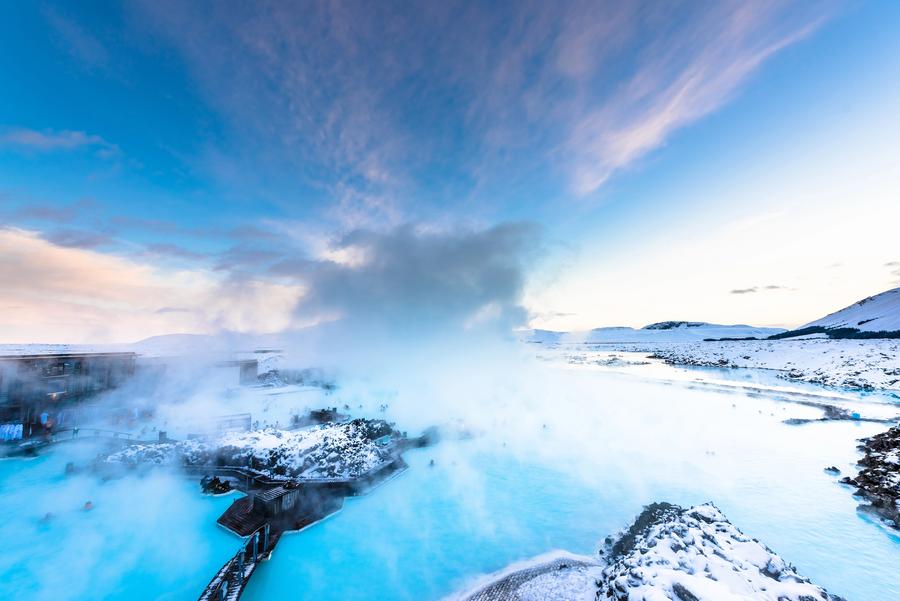
Milky blue water against black lava gives Iceland’s Blue Lagoon its unmistakable appearance. The lagoon formed beside the Svartsengi geothermal power plant, where mineral-rich water collected in the surrounding lava field. Its blue color comes from tiny silica particles interacting with light. Today it is a bathing destination, with rising steam adding to the contrast between warm water and rugged ground. The appeal is as much the unusual setting as the soak itself.
59. Amsterdam, Netherlands
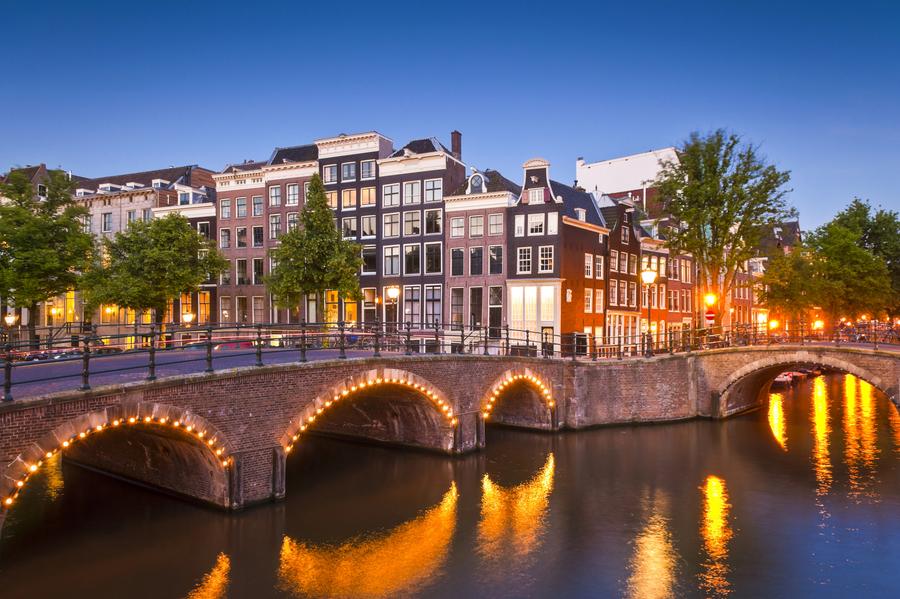
Amsterdam’s canals turn a walk through the city into a sequence of reflections, bridges and narrow gabled houses. Its 17th-century canal ring was a carefully planned expansion, built around waterways that supported trade as well as city life. Those historic facades still follow the curves of the canals. Exploring on foot gives time to notice their details, while a boat ride shows why Amsterdam stands out among the world’s most beautiful canal cities.
58. Ha Long Bay, Vietnam
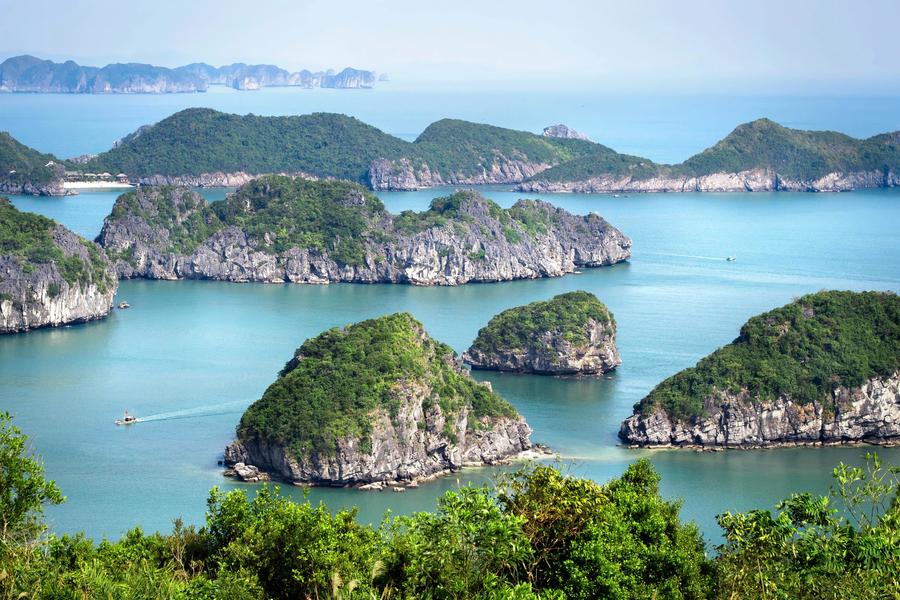
Limestone towers rise from green water at Ha Long Bay, their steep sides broken by caves and patches of vegetation. The bay is part of the Ha Long Bay–Cat Ba Archipelago World Heritage Site in northeastern Vietnam. Its scenery comes from a long history of limestone erosion and changing sea levels. From the water, nearby cliffs appear sharply defined while more distant islands fade into layers, giving the bay much of its distinctive depth.
57. Serengeti National Park, Tanzania
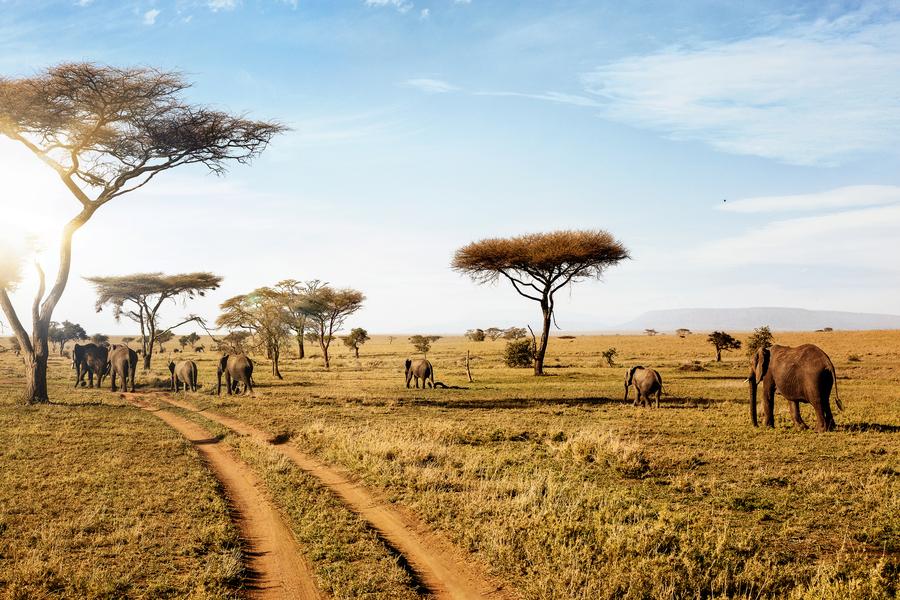
Open grasslands give the Serengeti a sense of space that photographs can barely convey. Its seasonal movement of wildebeest, zebras and other grazing animals follows the search for water and fresh pasture, with predators forming part of the same living landscape. Yet the scenery matters even when the herds are elsewhere: broad skies, scattered trees and long views across the plains make this a place to watch patiently rather than rush between sightings.
56. Li River, China

Green peaks rise beside the Li River, turning the journey toward Yangshuo into a changing series of mountain silhouettes. The Guilin Li River Scenic Area combines winding water, steep cliffs and unusual rock formations within the region’s karst landscape. A cruise gives these views time to unfold, with each bend revealing another group of hills. In mist, the distant peaks become pale outlines; in clearer light, their steep, wooded slopes stand out against the sky.
55. Rio de Janeiro, Brazil
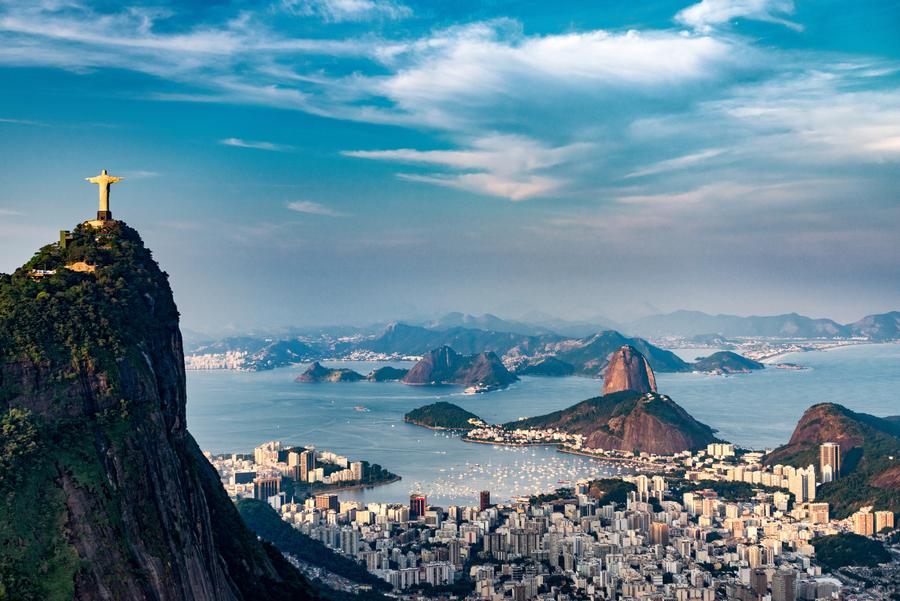
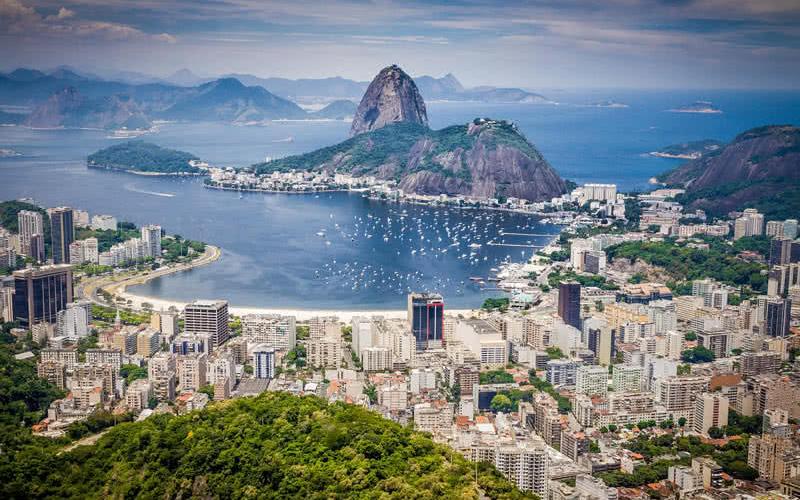
Rio de Janeiro spreads between beaches, forested mountains and the wide waters of Guanabara Bay. UNESCO recognizes this relationship between the city, mountains and sea, including the Tijuca forest, Corcovado and the landscapes around Copacabana. The setting gives familiar landmarks such as Sugarloaf Mountain their power: they rise directly from a busy coastal city. From above, curved shorelines and steep green hills make Rio’s geography as memorable as its buildings.
54. Navagio Beach, Greece
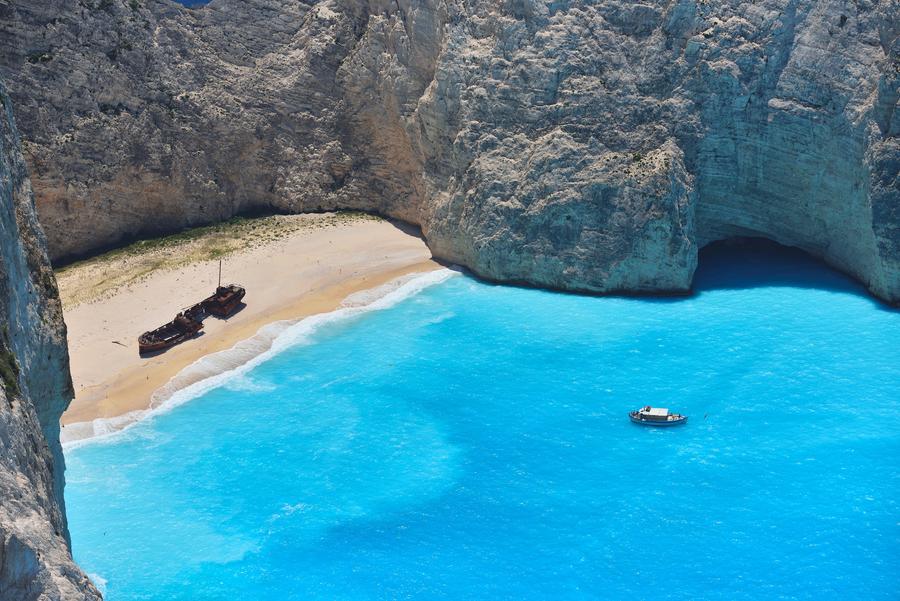
White cliffs surround a small beach and brilliant blue water at Navagio on the Greek island of Zakynthos. The stranded shipwreck gives the cove its familiar name, but the color contrast and steep walls are the main visual attraction. Access is restricted: Greece’s official tourism site says the beach is closed and landing is not permitted, as of October 2026. Check current local arrangements before planning a visit to the area.
53. Lake Manasarovar, Tibet, China
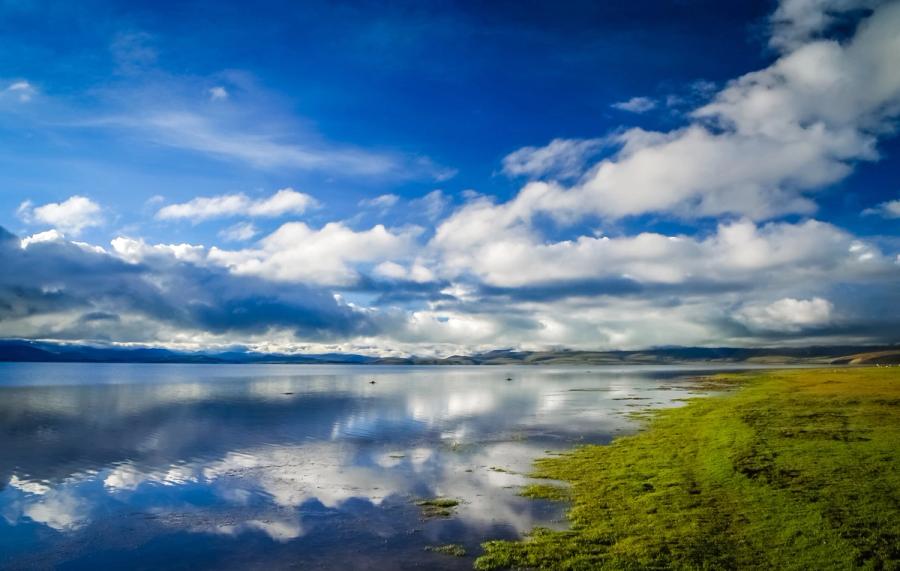
Lake Manasarovar lies in a high, open landscape of Tibet, where clear water can reflect snow-covered mountains. The lake is also known as Mapham Yutso in Tibetan and draws pilgrims as well as travelers interested in its setting. Its association with nearby Mount Kailash gives the landscape deep religious significance. The visual appeal is simple: a broad sweep of water, bare shores and distant peaks beneath a huge sky.
52. Bali, Indonesia
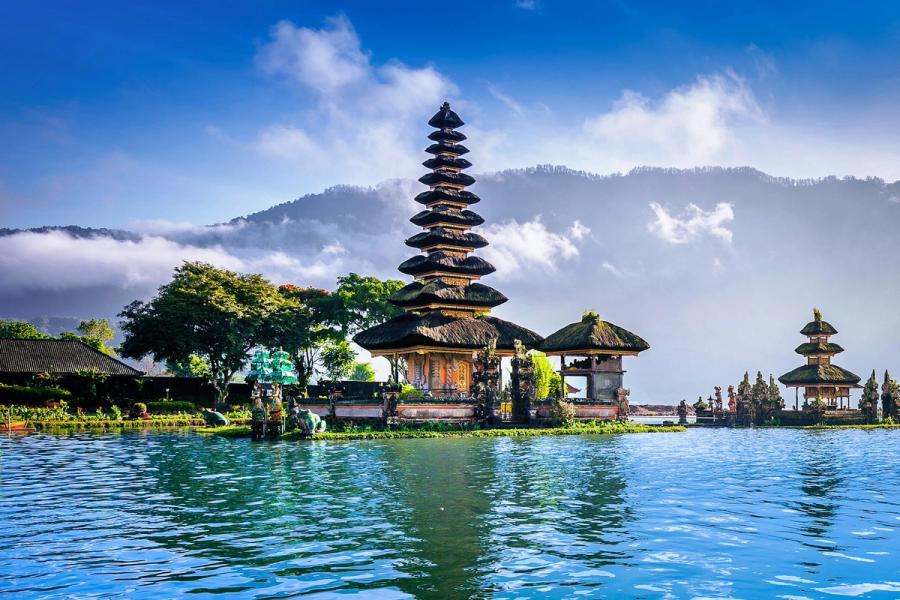
Bali’s scenery reaches well beyond its beaches, with volcanic highlands, lakes, temples and richly green farmland. At Jatiluwih, rice terraces follow the slopes in curving layers, showing how farming has shaped the island. The traditional subak system links irrigation with community life and water temples, making the landscape both beautiful and purposeful. Combining the coast with time in the interior reveals more of Bali than a beach stay alone.
51. Cinque Terre, Italy
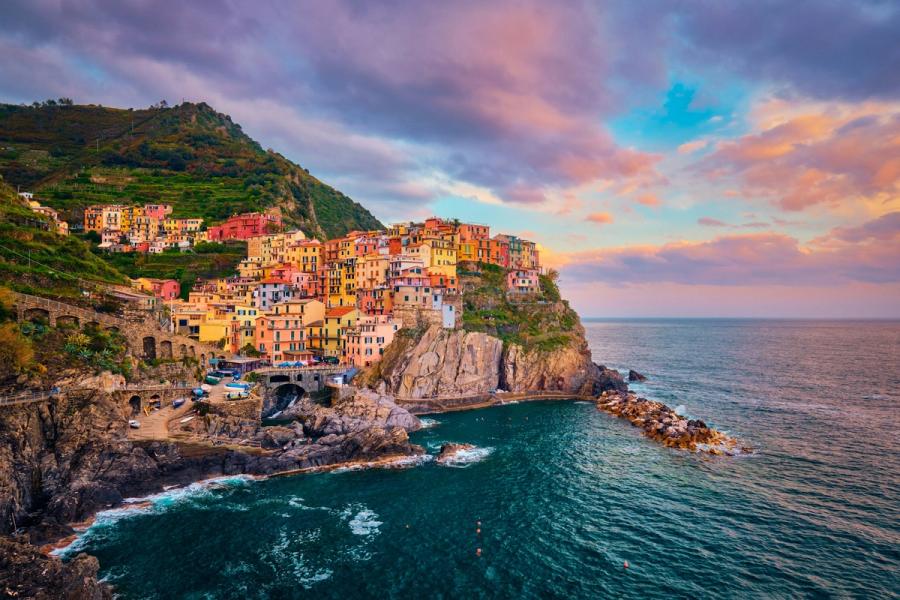
Brightly painted houses cling to steep coastal slopes in Cinque Terre, where five villages face the Ligurian Sea. The surrounding terraced landscape is part of a UNESCO World Heritage Site, shaped by generations of farming on difficult ground. Vineyards and dry-stone walls climb above the buildings, while small harbors connect the villages to the water. Views from the paths bring these elements together: colorful houses, cultivated hillsides and a deep blue sea.