
Finland leads the World Happiness Report 2026 with 7.764 out of 10, its ninth consecutive first place. Iceland, Denmark and Costa Rica follow, with Costa Rica entering the top five for the first time.
The ranking covers 147 countries and uses residents’ average life evaluations from 2023–2025. This edition also examines happiness and social media, including how different online activities relate to young people’s wellbeing. Oxford’s Wellbeing Research Centre publishes it with Gallup, the UN Sustainable Development Solutions Network and an independent editorial board.
How we ranked this
Gallup typically surveys about 1,000 residents per country annually, asking them to rate their lives on the 0–10 Cantril ladder. The ranking averages answers from 2023–2025, with sampling uncertainty around each score. Income, support, health, freedom, generosity and perceived corruption help explain differences; these six factors are not added together to calculate the ranking.
| No. | Country | Score (0–10) | Change vs 2025 rank |
|---|---|---|---|
| 1 | Finland | 7.764 | Unchanged |
| 2 | Iceland | 7.540 | Up 1 |
| 3 | Denmark | 7.539 | Down 1 |
| 4 | Costa Rica | 7.439 | Up 2 |
| 5 | Sweden | 7.255 | Down 1 |
| 6 | Norway | 7.242 | Up 1 |
| 7 | Netherlands | 7.223 | Down 2 |
| 8 | Israel | 7.187 | Unchanged |
| 9 | Luxembourg | 7.063 | Unchanged |
| 10 | Switzerland | 7.018 | Up 3 |
For other measures of national wellbeing, compare the least corrupt countries and the most peaceful countries.
10. Switzerland — 7.018/10
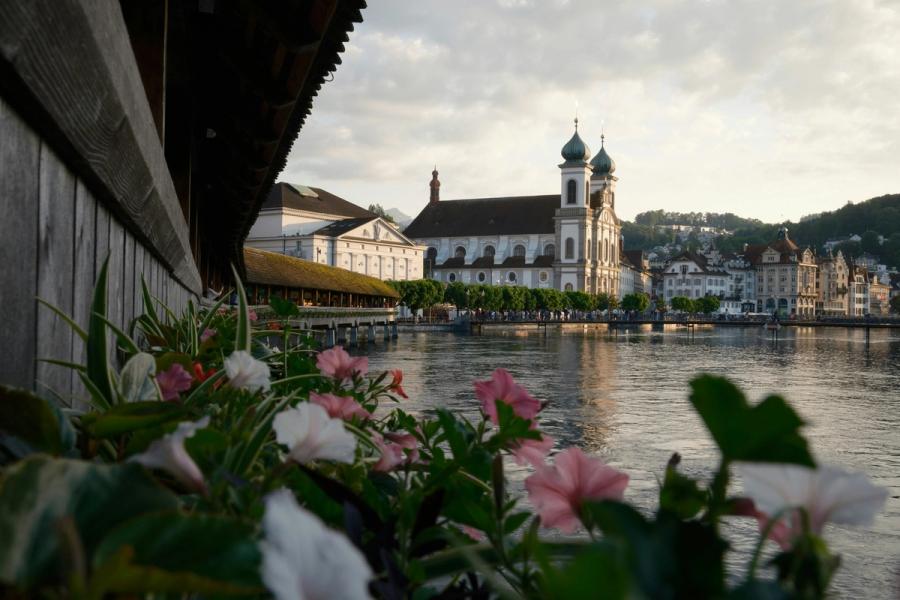
Switzerland ranks tenth with 7.018 out of 10, climbing three places from 13th in 2025. That return to the top ten puts it just ahead of New Zealand, which ranks eleventh.
The report’s explanatory data highlight income and healthy life expectancy among Switzerland’s strengths. Its health-related contribution is second only to Sweden’s among these ten countries. These comparisons describe associations with wellbeing, rather than proving why a country moved up.
9. Luxembourg — 7.063/10

Luxembourg remains ninth with 7.063 out of 10. Its position is unchanged from the previous report, although its average score is slightly lower.
Luxembourg has the largest income-related contribution in the report’s explanatory model among the top ten. Freedom to make life choices also contributes positively. Its place below several less wealthy countries shows why income alone cannot explain the order.
8. Israel — 7.187/10

Israel ranks eighth with 7.187 out of 10, retaining its 2025 position. The figure averages residents’ answers across 2023–2025, rather than describing a single moment.
Social support and healthy life expectancy both feature in the report’s explanation of Israel’s result. Social support measures whether people have someone to count on during difficulties. The ranking records how surveyed residents evaluate their own lives.
7. Netherlands — 7.223/10
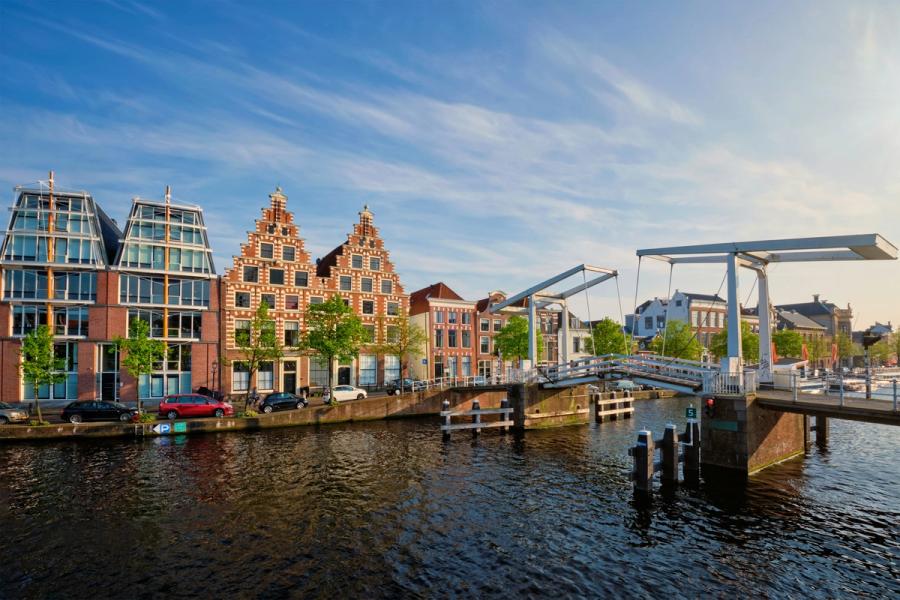
The Netherlands scores 7.223 out of 10 and ranks seventh, down two places from fifth in 2025. It remains close to Norway and Sweden in the published averages.
Income and social support are substantial components of the report’s explanatory picture for the Netherlands. Its generosity-related contribution is also second highest among these ten countries. That measure concerns charitable giving adjusted for income, rather than a judgment about every resident.
6. Norway — 7.242/10
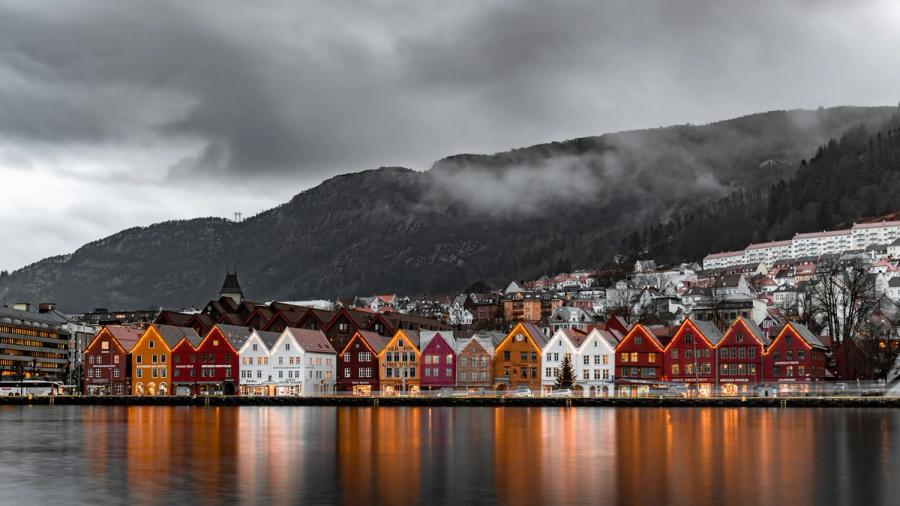
Norway ranks sixth with 7.242 out of 10, rising one place from seventh in 2025. All five Nordic countries appear in the top six, with Costa Rica joining them.
Research reviewed in the report’s Nordic chapter links wellbeing with reliable public institutions and protection against financial insecurity. Norway also has a strong social-support contribution in the current explanatory data. Together, these findings point beyond wealth to the security of everyday life.
5. Sweden — 7.255/10

Sweden places fifth with 7.255 out of 10, one position below its 2025 ranking. Only 0.013 points separate it from Norway.
Sweden has the largest healthy-life-expectancy contribution among this top ten in the report’s explanatory model. Earlier Nordic research also emphasizes dependable institutions and people’s freedom to shape their lives.
4. Costa Rica — 7.439/10

Costa Rica rises from sixth to fourth with 7.439 out of 10. It reaches the top five for the first time, achieving the highest position ever for a Latin American country.
Costa Rica’s income-related contribution is lower than those of the European countries listed here. Yet residents report higher life evaluations than most of them. Freedom to make life choices and social support contribute positively in the report’s model.
3. Denmark — 7.539/10
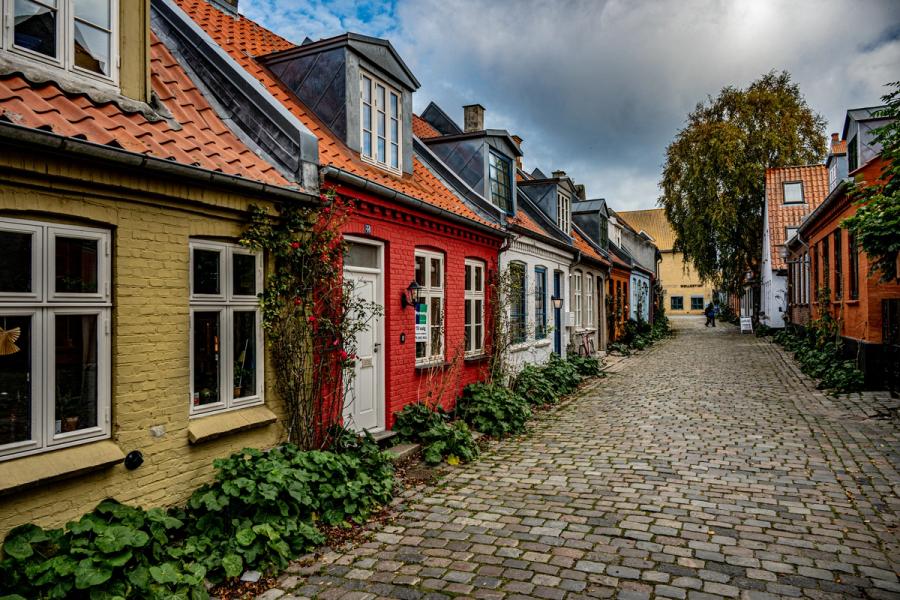
Denmark scores 7.539 out of 10 and ranks third, moving down one place from second in 2025. Its gap behind Iceland is only 0.001 points, with overlapping confidence intervals.
The Nordic research review identifies social trust, effective institutions and reliable welfare benefits as important explanations for high life satisfaction. Denmark’s current data also show a strong contribution associated with low perceived corruption.
2. Iceland — 7.540/10

Iceland takes second place with 7.540 out of 10, up from third in 2025. It exchanges places with Denmark in the official order.
Iceland has the strongest social-support contribution among these ten countries in the report’s explanatory data. Freedom to make life choices is another positive factor. Both measures concern everyday security: having someone to rely on and feeling able to choose how to live.
1. Finland — 7.764/10
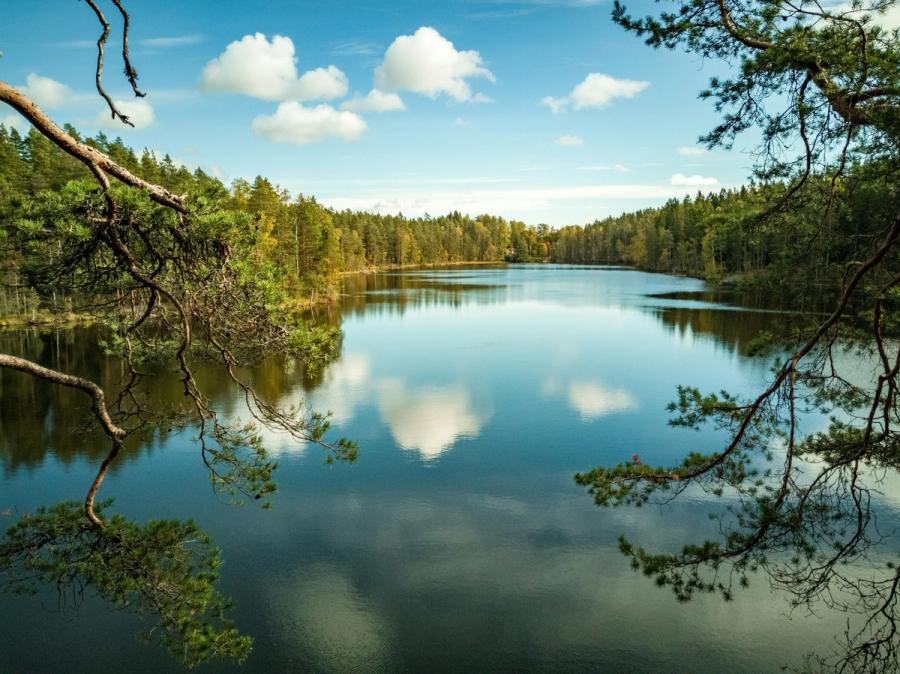
Finland leads with 7.764 out of 10, keeping first place for a ninth consecutive year. It has held the top position since 2018.
The Nordic research review emphasizes trust, autonomy and dependable public institutions as foundations for life satisfaction. Finland’s current explanatory data also show strong social support and a low-corruption contribution. The result reflects residents’ assessment of life as a whole, not a claim that everyone feels cheerful every day.
For a closer look at urban living conditions, explore the most liveable cities in the world.