Iceland is the world's most peaceful country in the 2026 Global Peace Index, with a score of 1.161. New Zealand follows at 1.343, ahead of Switzerland, Slovenia and Ireland.
These countries stand out against a worsening global picture. Average peacefulness fell by 0.7% in the 2026 report, the twelfth consecutive annual decline. Seven of the top ten countries are in Europe.
How we ranked this
The Institute for Economics & Peace combines 23 indicators covering safety and security, ongoing conflict, and militarization across 163 countries and territories. Lower scores mean greater peacefulness; these are index scores, not percentages. The GPI measures national conditions, not happiness, wealth or guaranteed safety for every traveler.
| No. | Country | GPI 2026 score |
|---|---|---|
| 1 | Iceland | 1.161 |
| 2 | New Zealand | 1.343 |
| 3 | Switzerland | 1.363 |
| 4 | Slovenia | 1.369 |
| 5 | Ireland | 1.371 |
| 6 | Austria | 1.421 |
| 7 | Portugal | 1.427 |
| 8 | Singapore | 1.435 |
| 9 | Finland | 1.478 |
| 10 | Japan | 1.489 |
A countrywide peace score answers a different question from the homicide rates in our most dangerous cities ranking.
10. Japan (GPI score: 1.489)
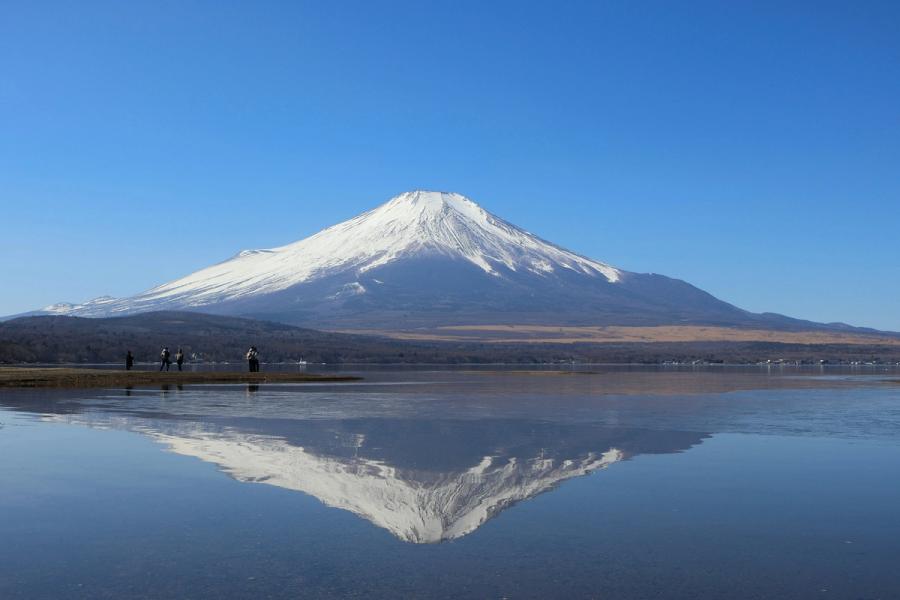
Japan climbs three places to tenth in the 2026 Global Peace Index, with a score of 1.489. Its overall score improved by 1.5%, driven by an improvement in the ongoing-conflict category. That gain came despite a worsening militarization score as Japan expanded its defense capabilities.
The mountain in our photo has a cultural distinction as well as a striking shape. UNESCO inscribed Mount Fuji as a World Heritage Site in 2013, recognizing its sacred traditions and influence on art. The listed property includes pilgrimage routes, shrines and lakes around the mountain.
9. Finland (GPI score: 1.478)
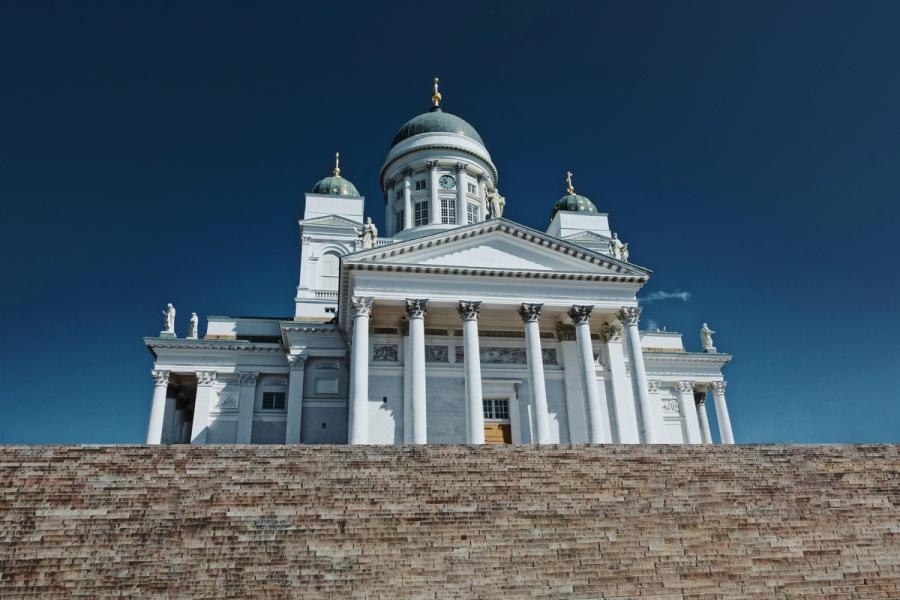
Finland takes ninth place with a GPI score of 1.478. It moves up one position in the report's year-on-year comparison, with a small improvement in its overall score.
One of Finland's best-known traditions has also earned international recognition. Finnish sauna culture joined UNESCO's intangible heritage list in 2020, becoming the country's first inscription on that list. The tradition includes heating the sauna, bathing customs, songs and folklore passed between generations.
8. Singapore (GPI score: 1.435)
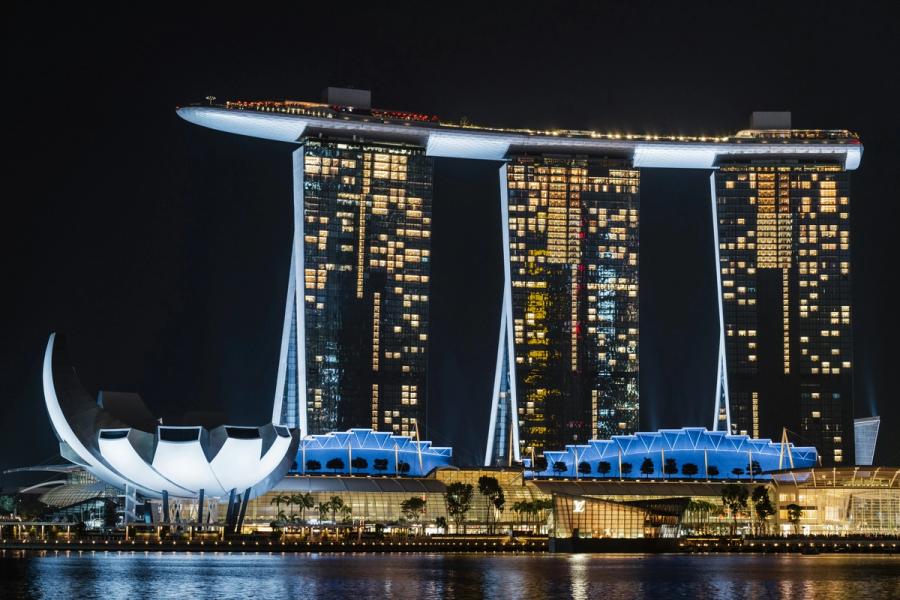
Singapore ranks eighth with a score of 1.435. It is the second most peaceful country in the report's Asia-Pacific region, behind New Zealand. It slips one place from a year earlier, with almost no change in its score.
Away from Marina Bay's towers, Singapore's shared dining culture has a place on UNESCO's intangible heritage list. Hawker culture received that recognition in December 2020. Its food stalls bring together dishes shaped by the island's Chinese, Malay, Indian and other communities.
7. Portugal (GPI score: 1.427)
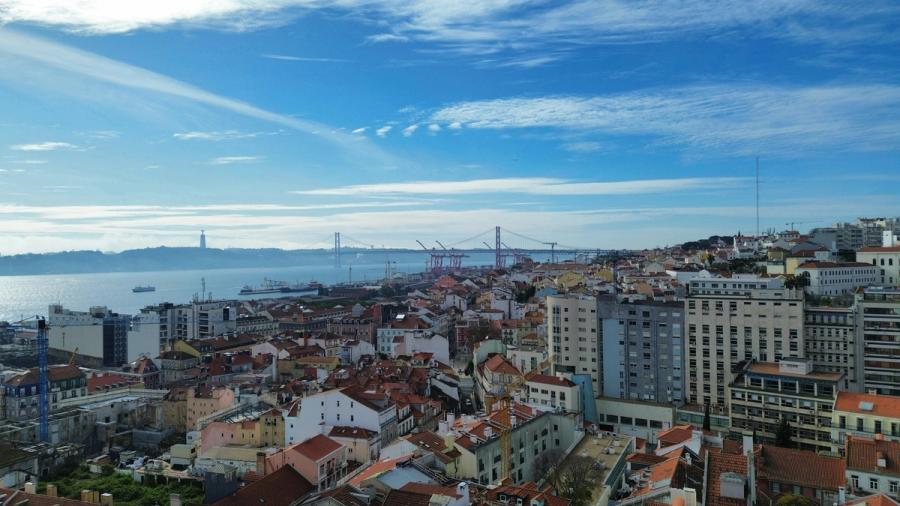
Portugal is seventh with a GPI score of 1.427. It rises one place in the report's year-on-year comparison, and its overall score improved. It is one of seven European countries in this top ten.
Portugal's landscapes also supply a material used far beyond wine bottles. The national tourism board identifies it as the world's largest cork producer. Cork lines rooms at the Convento dos Capuchos in Sintra and appears in clothing, furniture and building finishes.
6. Austria (GPI score: 1.421)
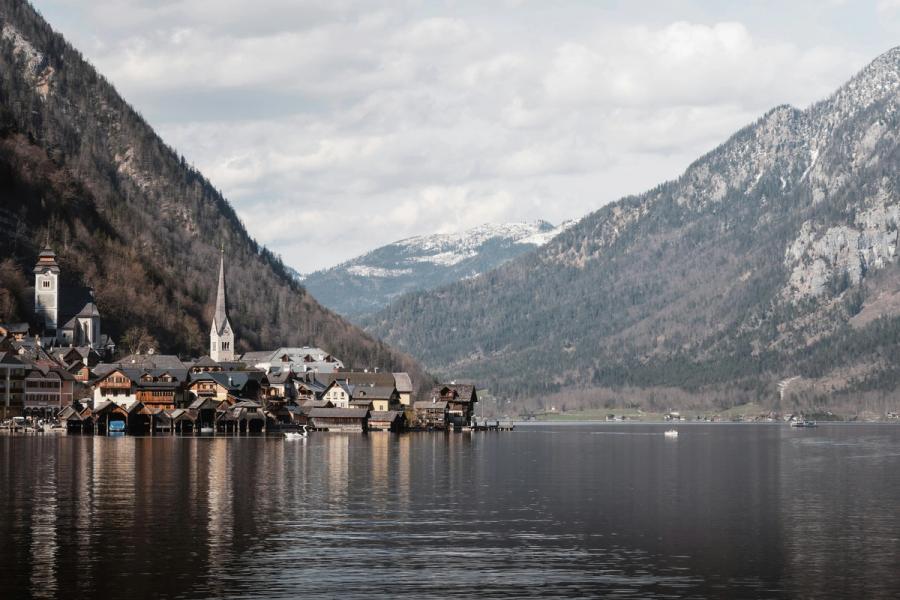
Austria takes sixth place with a score of 1.421. Its score worsened from a year earlier, and it drops one position in the report's comparison. It remains among Europe's highest-ranked countries.
Austria's National Day has a direct link to its foreign policy. On October 26, 1955, parliament adopted the country's permanent neutrality; October 26 later became its national holiday. For a separate look at urban living, see the most liveable cities in the world.
5. Ireland (GPI score: 1.371)
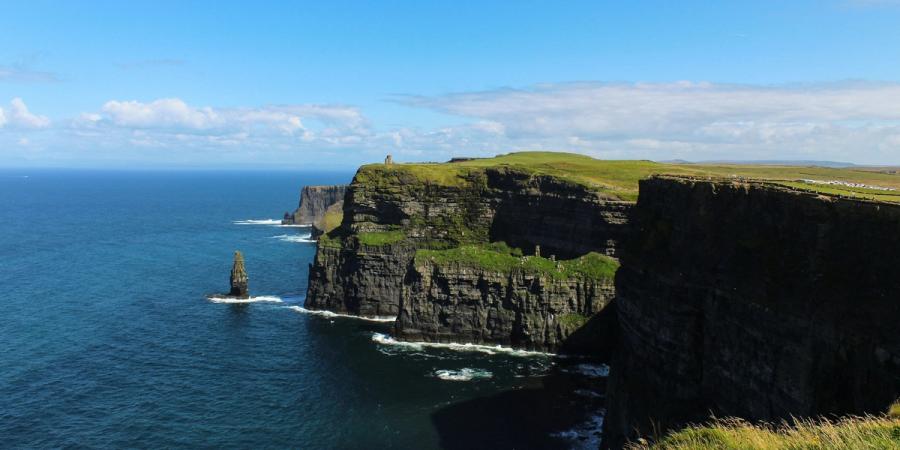
Ireland ranks fifth with a GPI score of 1.371. That puts it just behind Slovenia, which scores 1.369. Ireland drops one position in the report's year-on-year comparison.
Its peacekeeping history began well before the Global Peace Index. In 1958, Ireland sent about 50 officers to serve as UN observers in Lebanon. Its first armed contingent joined the UN operation in the Congo in 1960, a different milestone from that initial observer mission.
4. Slovenia (GPI score: 1.369)
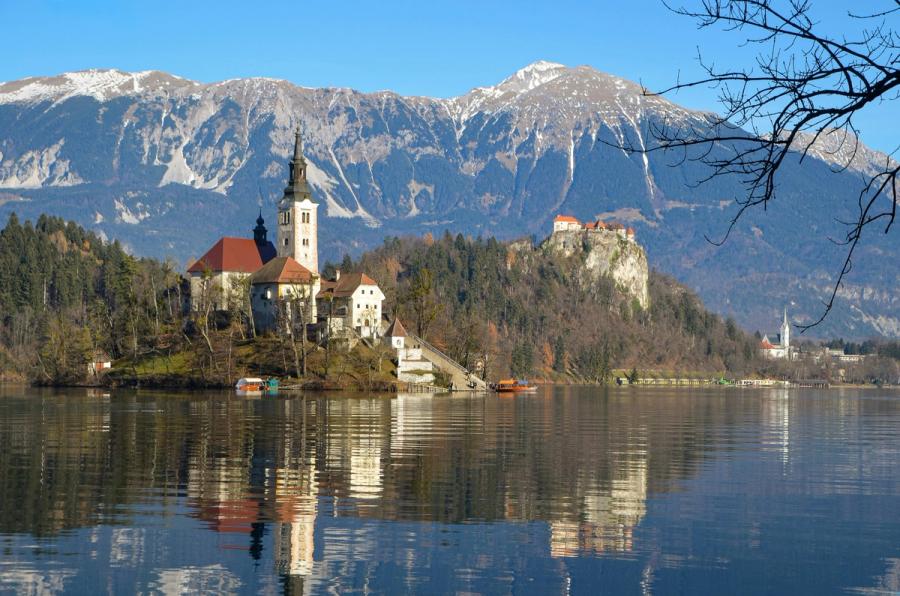
Slovenia climbs to fourth place with a score of 1.369. It rises two positions in the report's year-on-year comparison, with an improvement in its overall score.
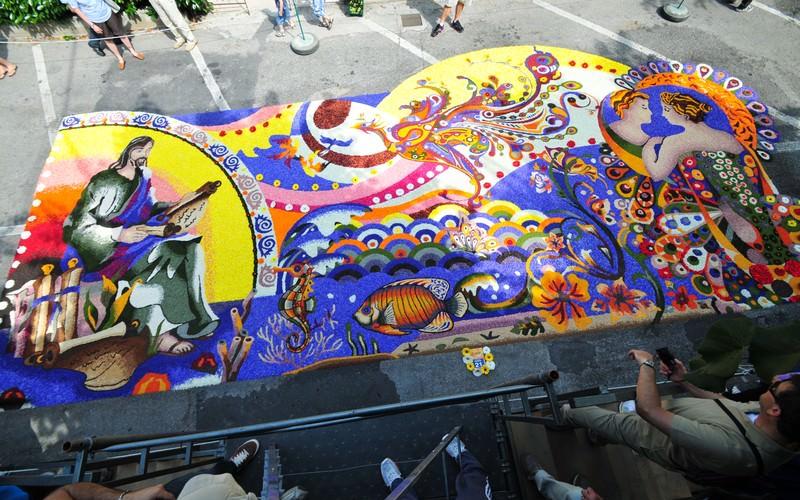
Beyond Lake Bled, the country's greenery is more than a scenic impression. A 2025 Slovenian government report says forests cover 58% of its territory. Its forestry approach favors natural regeneration and prohibits clear-cutting, making woodland a defining part of the landscape.
3. Switzerland (GPI score: 1.363)
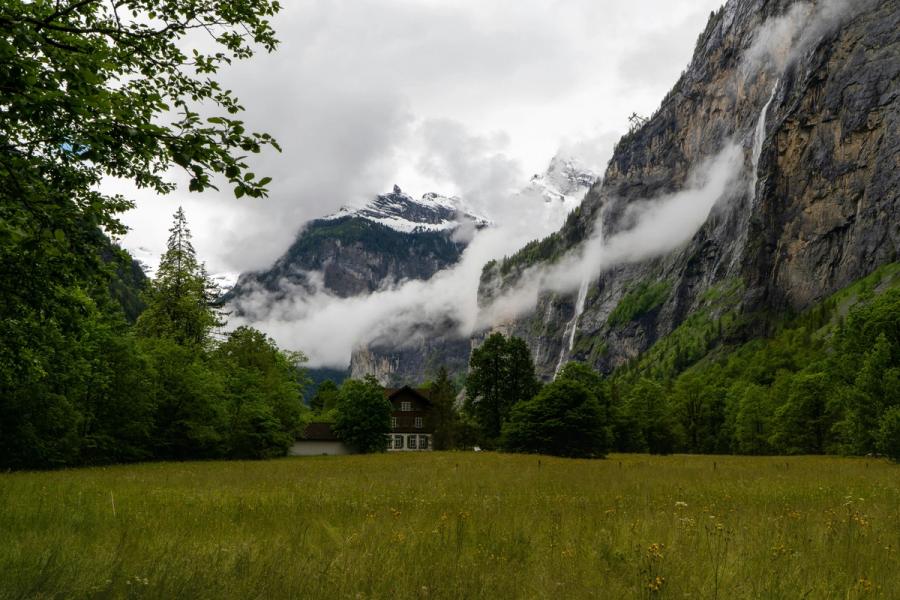
Switzerland ranks third with a GPI score of 1.363, behind New Zealand and ahead of Slovenia. Its overall score worsened slightly, and it falls one position in the report's year-on-year comparison.
Swiss neutrality has a much longer history than this index. The international community formally recognized Switzerland's neutrality in 1815, at the Congress of Vienna. Geneva later became a major home for international organizations, including the United Nations.
Peace and public integrity are measured differently: the least corrupt countries in the world are ranked by a separate index.
2. New Zealand (GPI score: 1.343)
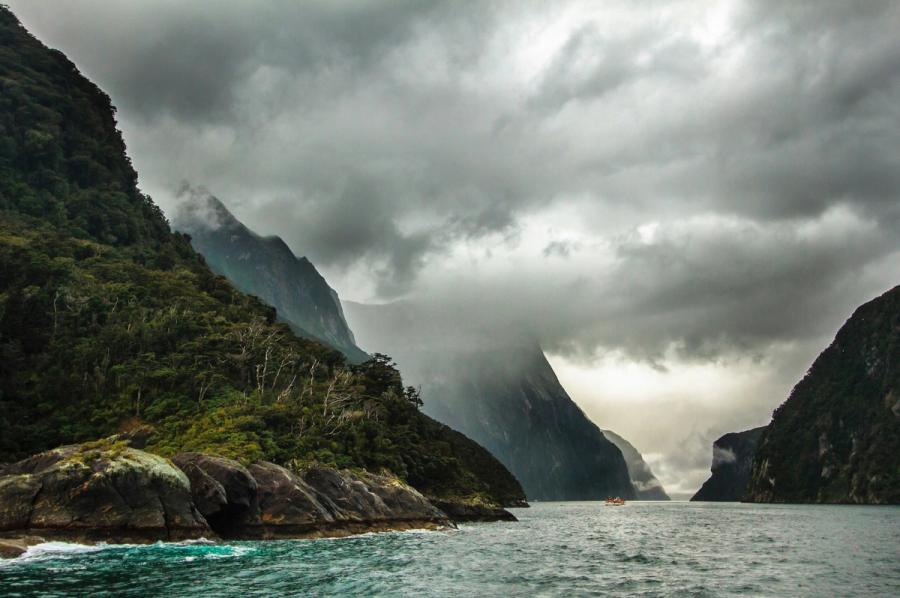
New Zealand ranks second with a score of 1.343 and leads the Asia-Pacific region. Its overall score improved by 0.4%. The report links that improvement to lower weapons imports and a better militarization score.
The country also has a notable disarmament milestone. On June 8, 1987, its nuclear-free legislation became law, establishing a nuclear and biological weapon-free zone. That decision followed the nuclear-ship dispute with the United States in the mid-1980s.
1. Iceland (GPI score: 1.161)
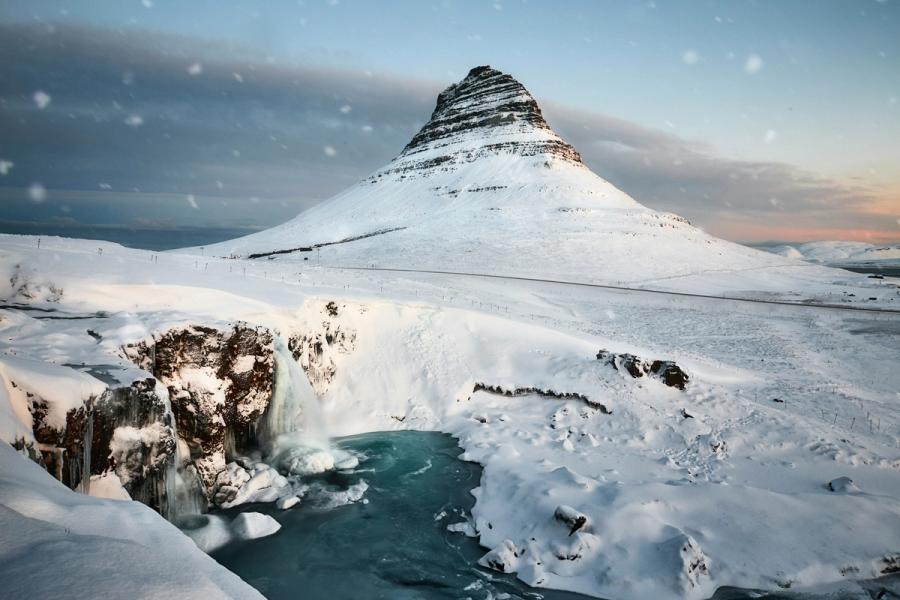
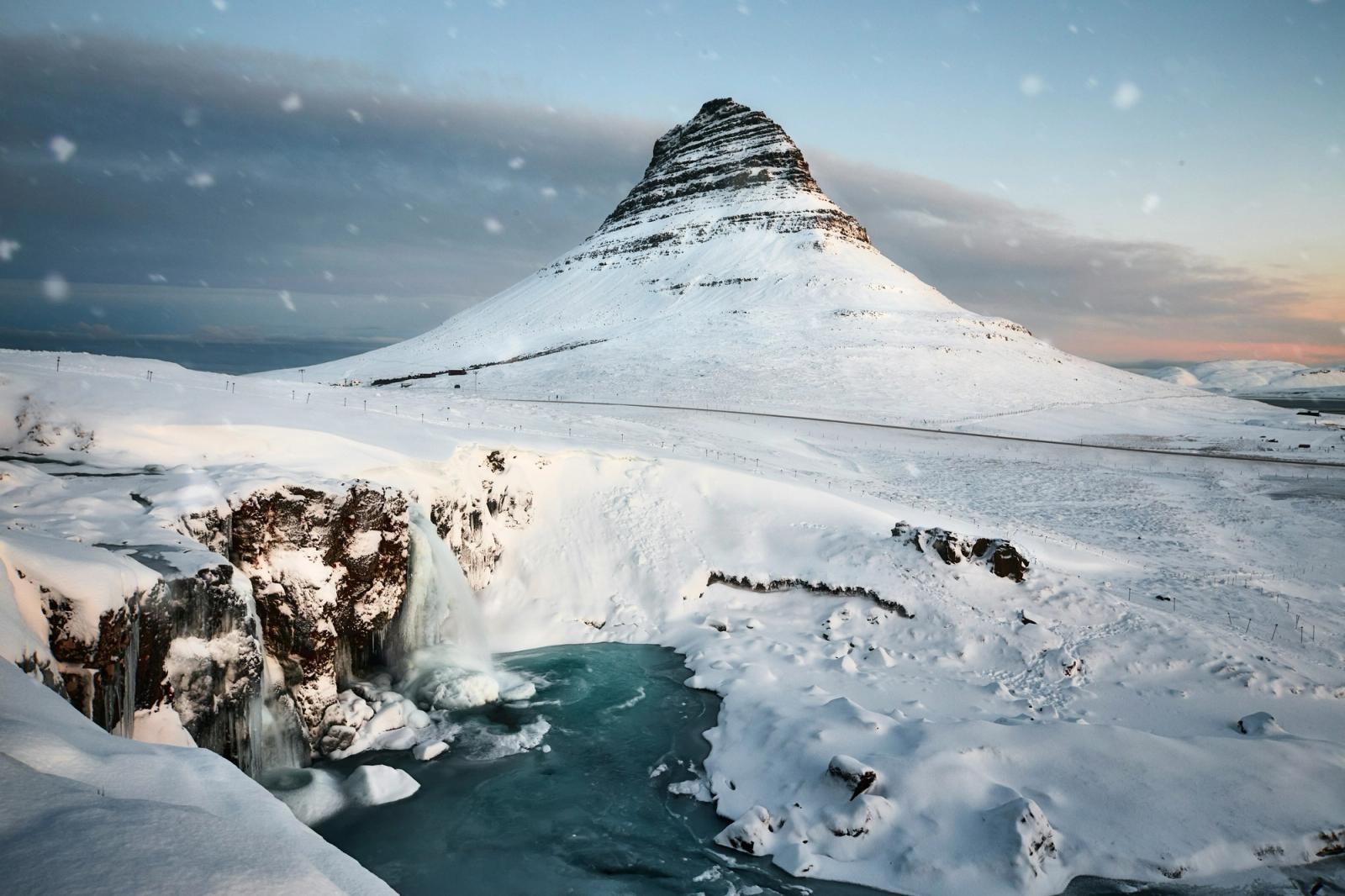
Iceland is the world's most peaceful country in 2026, with a GPI score of 1.161. It has held first place every year since 2008, making this its nineteenth consecutive year at the top.
Its overall score improved by 2%, with a 4% improvement in safety and security. The report highlights very low crime, strong social cohesion and the absence of a standing military. Iceland's lead over second-place New Zealand remains substantial.
It also made political history in 1980, when Vigdís Finnbogadóttir became the world's first democratically elected female president. She served as Iceland's president until 1996.