MTT's first-generation Y2K leads this list at a claimed 227.0 mph (365.3 km/h). The fastest qualifying magazine test here is Cycle World's 194.0 mph run on the 1999 Suzuki Hayabusa.
These ten motorcycles span older speed icons and current superbikes. As with the fastest cars, the model year and test configuration matter as much as the headline number.
How we ranked this
We used the highest qualifying figures we could verify from maker specs, magazine tests and official records, with one entry per model line. The list covers road-production bikes; concepts, racing-exhaust results, derestricted bikes and theoretical gearing limits are excluded.
Claims and timed runs are labeled separately. Tests within a few mph used different conditions, so treat the closely grouped 185–189 mph entries as near-ties.
Just missing out: Suzuki GSX-R1000 (184.3 mph), Ducati 1198 (184.2 mph), Yamaha R1 2004 (184.0 mph) and Kawasaki H2 (183.0 mph).
These speeds belong on closed courses with professional riders, never public roads; always obey local speed limits.
| No. | Motorcycle | Model/spec year | mph | km/h | Evidence |
|---|---|---|---|---|---|
| 1 | MTT Y2K Turbine Superbike | First generation, c. 2000 | 227.0 | 365.3 | MTT claim |
| 2 | Ducati Panigale V4 R | 2026, road exhaust | 197.8 | 318.4 | Ducati claim |
| 3 | BMW M 1000 RR | 2023 specification | 195.1 | 314.0 | BMW claim |
| 4 | Suzuki Hayabusa | 1999 | 194.0 | 312.2 | Cycle World test |
| 5 | BMW S 1000 RR | 2025, India specification | 188.3 | 303.0 | BMW claim |
| 6 | Kawasaki Ninja ZX-12R | 2000 | 187.0 | 301.0 | Cycle World test |
| 7 | Kawasaki Ninja ZX-10R | 2004 | 186.0 | 299.3 | Sport Rider test table |
| 8 | MV Agusta F4 1000 R | 2007 model, 2006 run | 185.9 | 299.1 | Production-class record |
| 9 | Aprilia RSV4 Factory | 2010 | 185.3 | 298.2 | Sport Rider test |
| 10 | Kawasaki Ninja ZX-14R | 2012 | 185.1 | 297.9 | Cycle World test |
10. Kawasaki Ninja ZX-14R — 185.1 mph
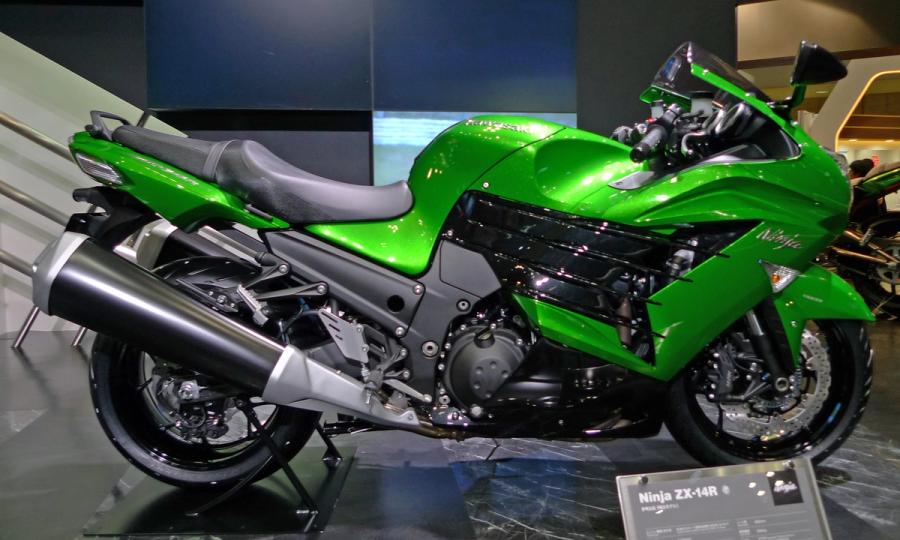
The 2012 Kawasaki Ninja ZX-14R reached 185.1 mph (297.9 km/h) in Cycle World's test. Its electronic limiter stopped the climb, rather than a shortage of power.
The larger 1,441 cc engine made this a formidable acceleration machine, too. At the press launch, drag racer Rickey Gadson completed a quarter-mile in 9.64 seconds on a bike with stock ride height. Those are closed-course results, not targets for public roads.
9. Aprilia RSV4 Factory — 185.3 mph
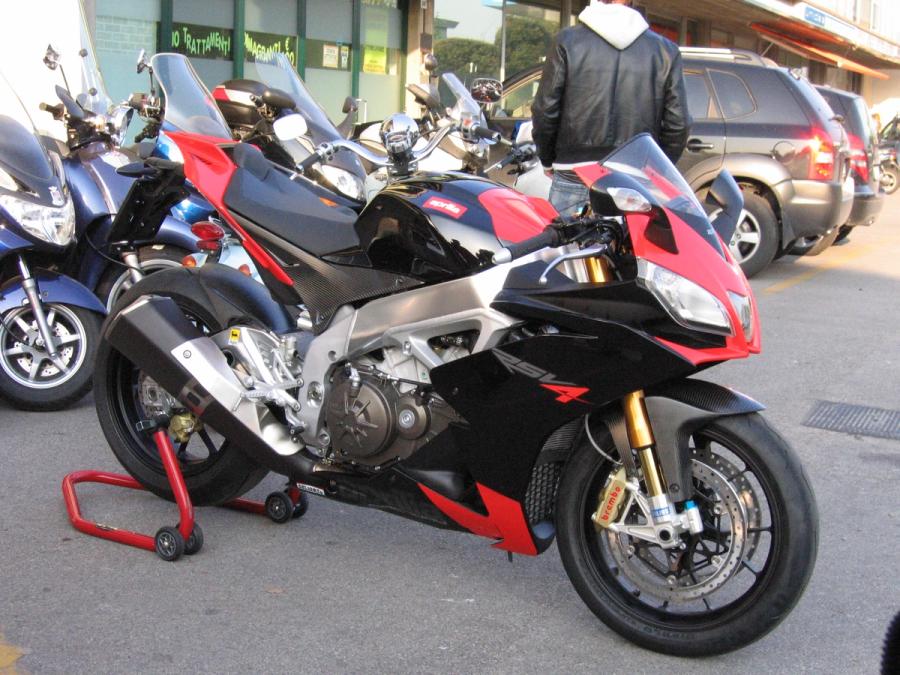
Sport Rider measured 185.3 mph (298.2 km/h) from the 2010 Aprilia RSV4 Factory. This is the early 999 cc V4, rather than a newer, larger-capacity RSV4.
Its compact engine places the cylinder banks at a 65-degree angle. The test used the bike's built-in Track riding mode with its standard exhaust; choosing that mode did not require a racing exhaust. Aprilia packed race-focused engineering into a machine with road equipment still fitted.
8. MV Agusta F4 1000 R — 185.9 mph
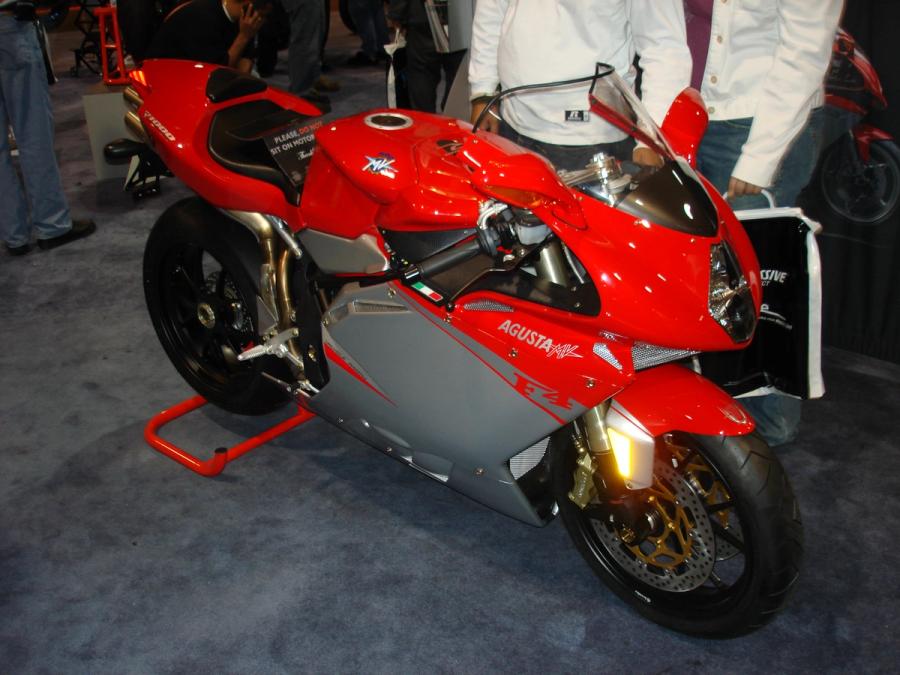
The MV Agusta F4 1000 R recorded a combined 185.882 mph at Bonneville in August 2006, displayed here as 185.9 mph (299.1 km/h). The manufacturer's record account identifies it as a 2007 model in the production engine and frame class.
That figure averages runs in opposite directions, helping reduce the effect of wind. The fastest individual run was 187.726 mph, but the combined record is the comparison figure here. This is the F4 1000 R, not the later R 312 whose name is sometimes mistaken for a proven road-bike speed.
7. Kawasaki Ninja ZX-10R — 186.0 mph
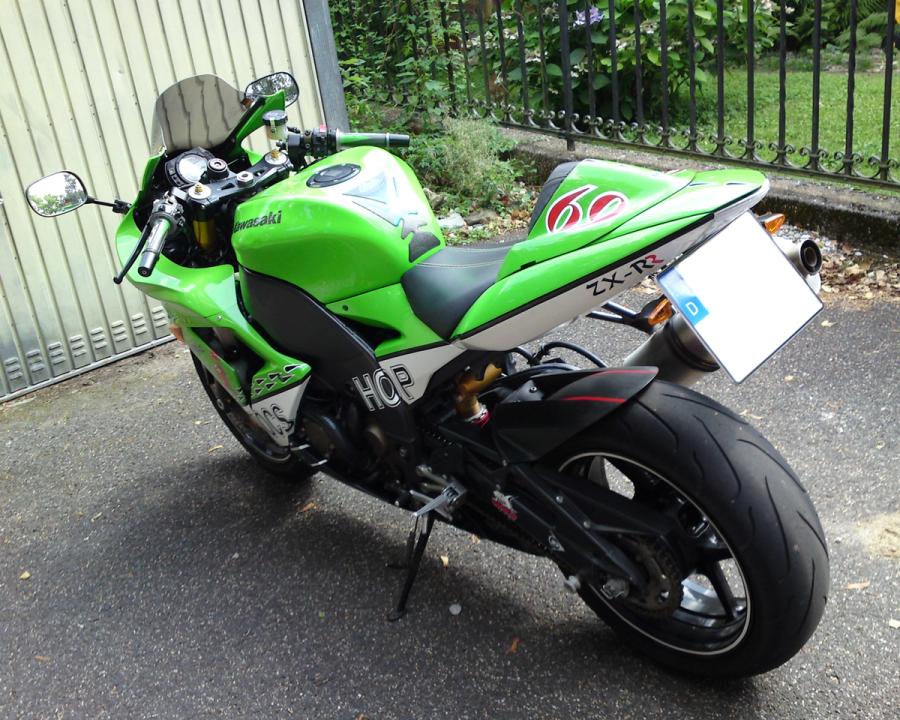
Sport Rider's performance compilation lists 186.0 mph (299.3 km/h) for the 2004 Kawasaki Ninja ZX-10R. We could verify the table entry, but could not locate the original test to recheck its setup.
This was the first ZX-10R generation, a compact superbike with a 998 cc four-cylinder engine. Its small size contrasted with Kawasaki's bigger ZX-12R. For context, Cycle World's separate 2004 test returned a lower result; the two publications' tests should not be combined into one.
6. Kawasaki Ninja ZX-12R — 187.0 mph
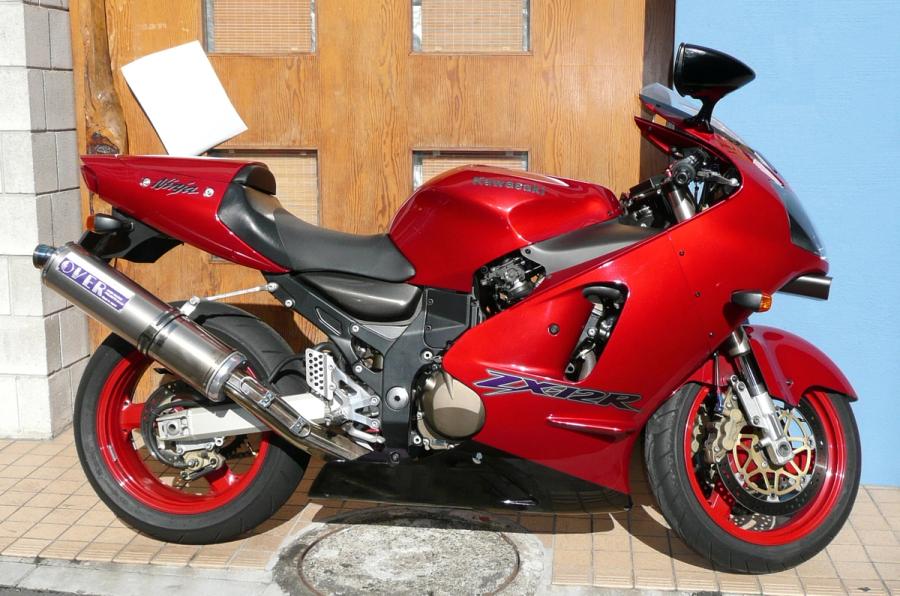
Cycle World's radar recorded 187.0 mph (301.0 km/h) for the 2000 Kawasaki Ninja ZX-12R. The magazine also mentioned a prelaunch 197 mph claim, but its measured result is the one used here.
The unusual aluminum frame runs over the engine and forms part of the airbox. That arrangement helped narrow the bike's front profile. It also put much of the fuel under the rider’s seat, rather than in the usual spot ahead of the rider.
5. BMW S 1000 RR — 188.3 mph
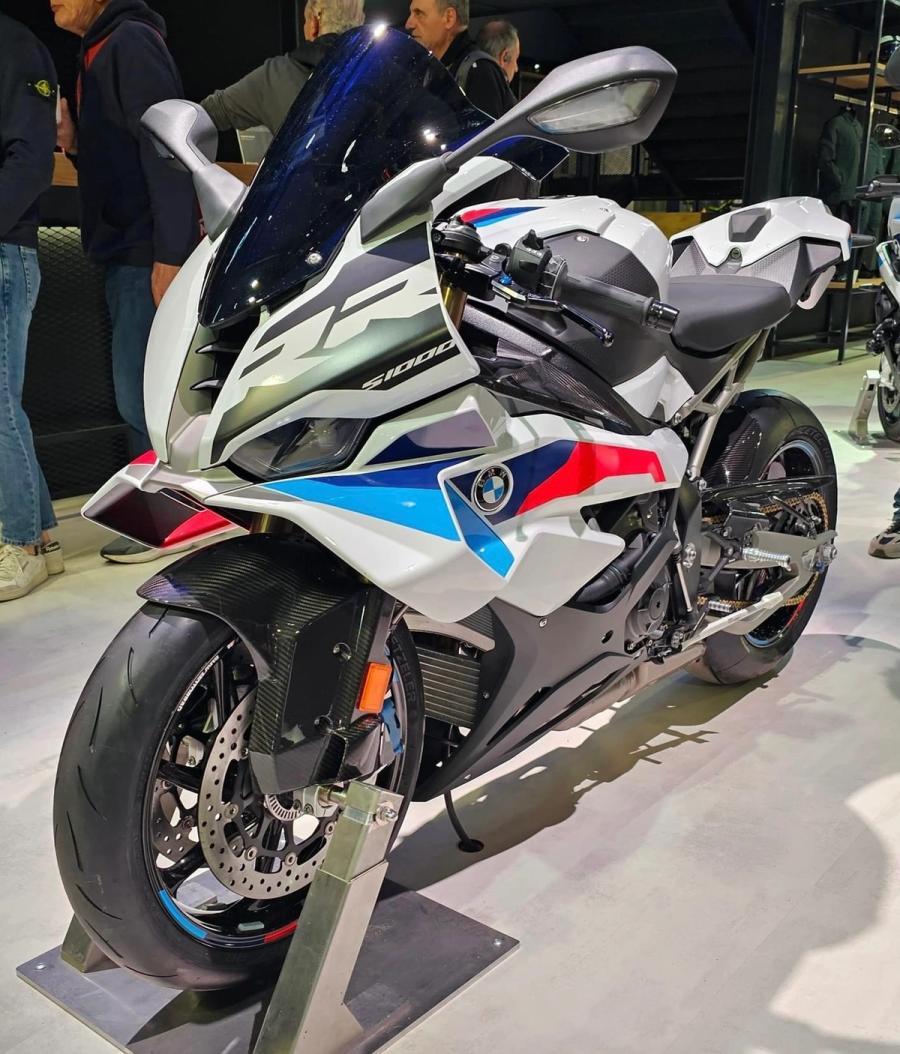
BMW specifies 303 km/h, or 188.3 mph, for the 2025 S 1000 RR in its Indian-market technical sheet. This is a manufacturer figure for that specification, rather than a magazine measurement.
Its 999 cc engine uses BMW's ShiftCam variable intake-valve system. The road-going RR balances straight-line performance with a package designed for fast circuit riding. Keep it separate from the M 1000 RR, whose aerodynamic changes and published speed earn it a higher place here.
4. Suzuki Hayabusa — 194.0 mph
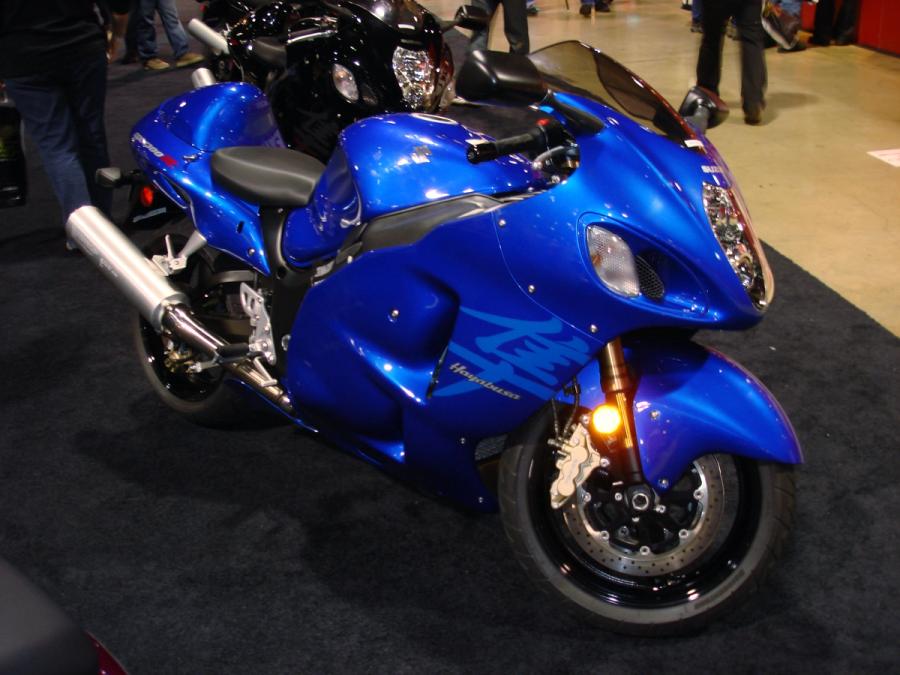
The 1999 Suzuki Hayabusa reached 194.0 mph (312.2 km/h) in Cycle World's test. It is the fastest independently magazine-tested road bike among the qualifying results in this list.
The same comparison recorded a 9.86-second quarter-mile and 160.5 horsepower at the rear wheel. Its rounded, wind-cheating bodywork made the original Hayabusa unmistakable. This result belongs to that first-year bike; it should not be attached to today's Hayabusa without a separate test.
3. BMW M 1000 RR — 195.1 mph
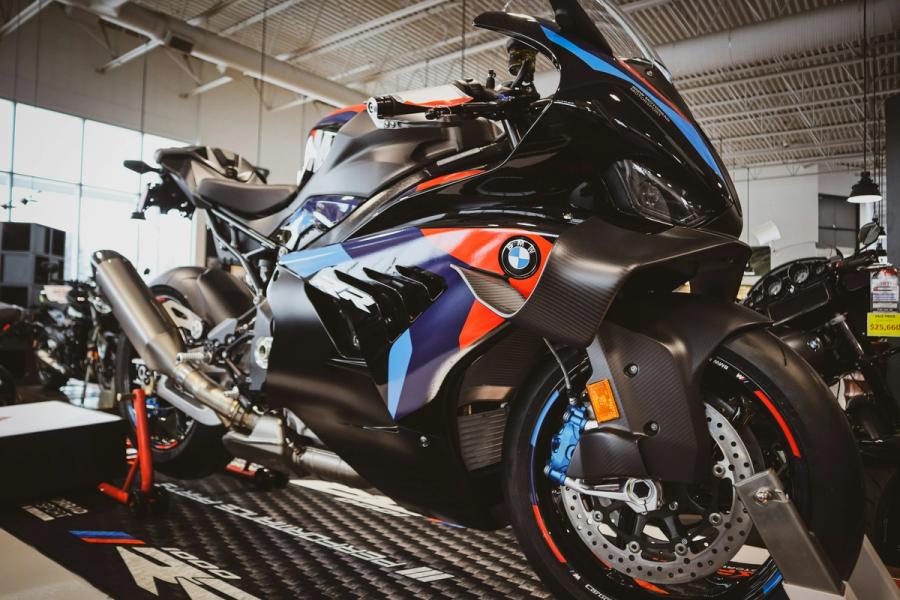
BMW quotes 314 km/h, or 195.1 mph, for the 2023 M 1000 RR. That rose from the previous model's 306 km/h even though peak engine output remained unchanged.
The improvement came from reshaping the airflow around the motorcycle and rider. A revised carbon-fiber fairing, taller screen and new winglets combined less drag with more downforce. The M Competition version added aerodynamic wheel covers, showing how much detail matters near 200 mph.
2. Ducati Panigale V4 R — 197.8 mph
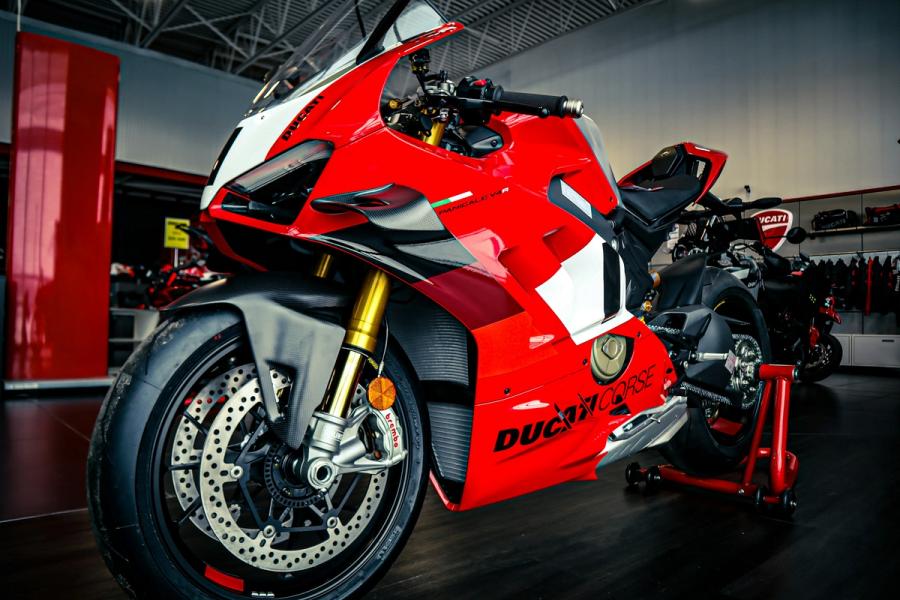
Ducati gives the 2026 Panigale V4 R a top speed of 318.4 km/h, or 197.8 mph, with its road-approved exhaust. The higher 330.6 km/h figure in the same announcement requires a racing exhaust and is excluded here.
Its 998 cc V4 is built around the demands of Superbike racing. One unusual feature is the gearbox layout: neutral sits below first gear, with a locking system to avoid selecting it accidentally. The 2026 model was announced in September 2025, so the model year does not imply a 2026 test.
1. MTT Y2K Turbine Superbike — 227.0 mph
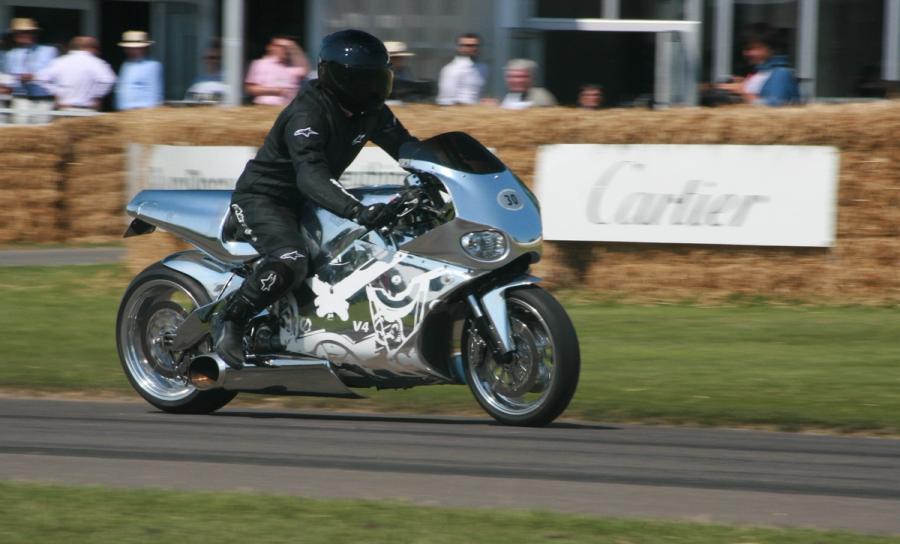
MTT says the first-generation Y2K Turbine Superbike was clocked at 227.0 mph (365.3 km/h). It leads this list on the manufacturer's published claim; MTT does not identify an independent timing body or test protocol on that page.
Instead of a piston engine, the Y2K uses a Rolls-Royce Allison gas turbine. MTT reports over 320 horsepower and 425 lb-ft of torque for that first generation. That aircraft connection puts it in very different company from the conventional superbikes here—and closer in spirit to other remarkably fast machines.
Fast claims we didn't rank
The Kawasaki H2R is track-only, and its much-shared 400 km/h demonstration used special tires and fuel. MTT describes the 420RR's 273 mph as gearing-limited; we did not treat that as a demonstrated road-bike speed.
Lightning's LS-218 brochure ties 218 mph to record gearing and fairings. Kawasaki's H2 Bonneville announcement describes a specially prepared bike, so that result is also excluded.
A 2010 BMW S 1000 RR report gives 196.1 mph, but provides no timing sheet or clear one-pass/two-way basis. The Dodge Tomahawk was a concept, not a qualifying road-production motorcycle.
For more engineering at speed, explore the fastest trains and fastest roller coasters.