Onions, garlic, chocolate and green or sprouting potatoes can poison cats; raw animal foods can carry harmful germs. Alcohol and raw yeast dough are dangerous too; avoid grapes and raisins as a precaution because the evidence in cats is limited. Dairy can upset digestion, while tuna-only meals and dog food can leave nutritional gaps.
Food safety matters for every breed, including the cats in our guide to the friendliest cat breeds. If your cat may have eaten something poisonous, call your vet now.
How we chose these
We chose common foods and feeding mistakes covered by veterinary sources, including Merck Veterinary Manual, ASPCA Poison Control and VCA. This is an editorial list: the numbers are not an order of danger. The risk depends on the food, the amount and the individual cat.
| No. | Food | Main problem |
|---|---|---|
| 1 | Dog food | Inadequate nutrition for cats, including taurine |
| 2 | Tuna as a main diet | Nutritional imbalance; steatitis in deficient fish-heavy diets |
| 3 | Dairy products | Lactose-related digestive upset |
| 4 | Chocolate | Theobromine and caffeine poisoning |
| 5 | Raw meat and fish | Infection; thiamine loss from some raw fish |
| 6 | Raw egg | Harmful bacteria; reduced biotin absorption with repeated feeding |
| 7 | Onion and garlic | Red blood cell damage and anemia |
| 8 | Raw potato | Glycoalkaloid toxins, especially in green or sprouting parts |
| 9 | Alcohol and raw yeast dough | Ethanol poisoning; dough can also expand in the stomach |
| 10 | Grapes and raisins | Possible kidney injury (reports in cats are anecdotal) |
10. Grapes and Raisins
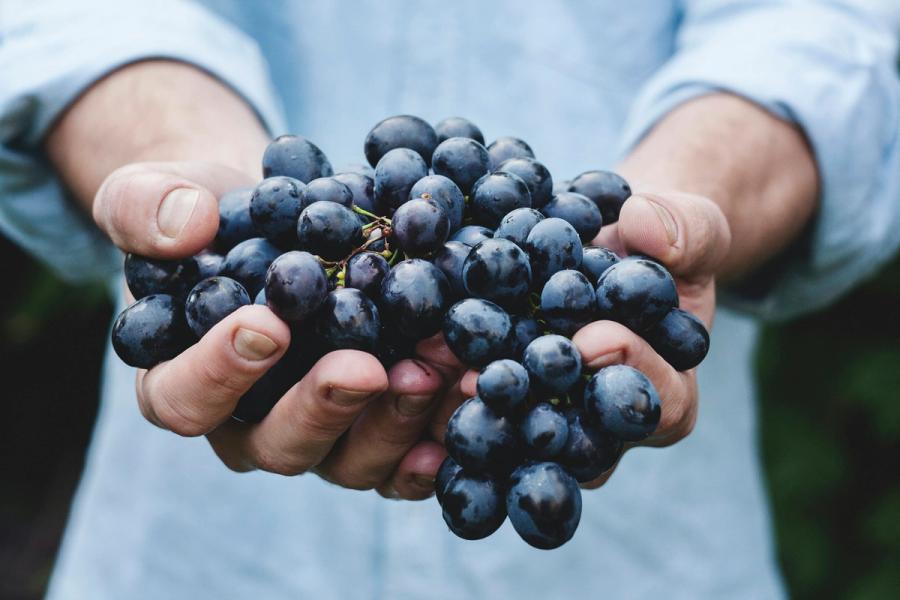
Keep grapes and raisins away from cats as a precaution. Merck Veterinary Manual says reports of kidney failure in cats are anecdotal, with no published case reports. The stronger evidence comes from dogs, where grapes and raisins can cause kidney injury.
That uncertainty is a reason to choose another treat, not to test whether your cat tolerates these fruits. Check for raisins in baked goods and trail mix, and keep both fresh grapes and dried fruit out of reach. If your cat eats any, contact your vet promptly and explain what was eaten, roughly how much and when. Keep the package if there is one, and do not try to make your cat vomit at home.
9. Alcohol and Raw Yeast Dough

Alcohol can poison cats, and raw yeast dough creates a second route of exposure by producing ethanol as it ferments. Merck says signs of alcohol poisoning generally begin within 30–60 minutes of ingestion. These can include vomiting, diarrhea, wobbling, disorientation and unusual sleepiness; severe poisoning can cause breathing problems, a fall in body temperature, seizures or coma.
Raw bread or pizza dough made with yeast can also expand inside the stomach, causing painful swelling as gas builds up. Merck notes that any species can be affected, although dogs are the most common patients. Keep alcoholic drinks and rising dough beyond your cat's reach. After a suspected exposure, contact your vet immediately rather than waiting for signs. Do not use home remedies or try to make your cat vomit.
8. Raw Potato
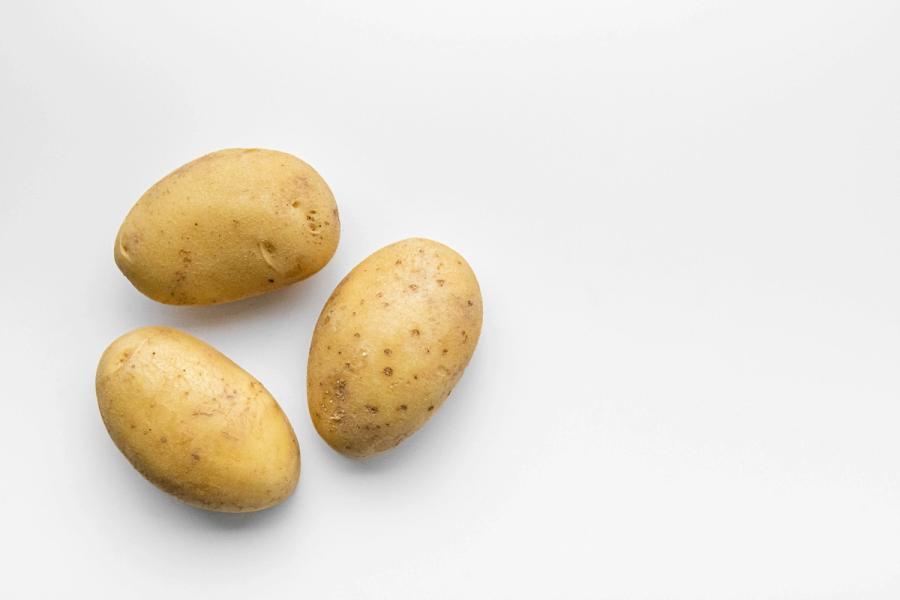
Green or sprouting potatoes and the potato plant are poisoning concerns for cats. They contain glycoalkaloids, including solanine and chaconine; concentrations vary between parts of the plant and individual potatoes.
Greening is a warning sign, and ordinary cooking does not reliably remove these toxins. Keep potatoes, peelings and sprouts out of reach; our guide to non-toxic indoor plants for homes with pets covers safer houseplant choices.
7. Onion And Garlic
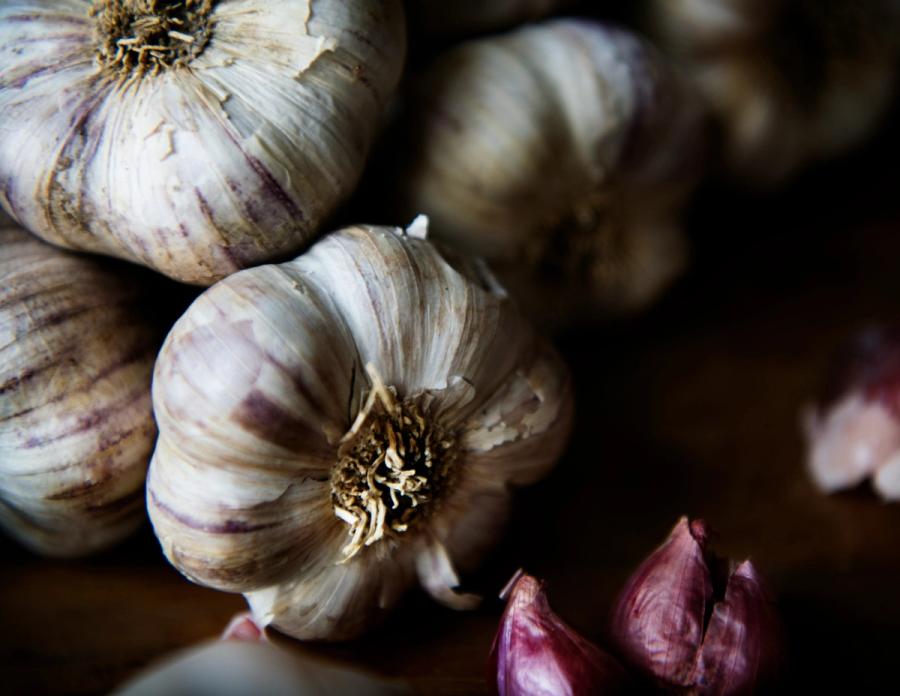
Onion and garlic can damage cats' red blood cells and cause anemia, even when cooked or powdered. Merck identifies cats as particularly susceptible and reports poisoning after less than a teaspoon of cooked onion.
That reported exposure is not a safe limit. Oxidative damage can begin within 24 hours, while anemia may become apparent days later, so do not wait for symptoms before calling your vet.
6. Raw Egg
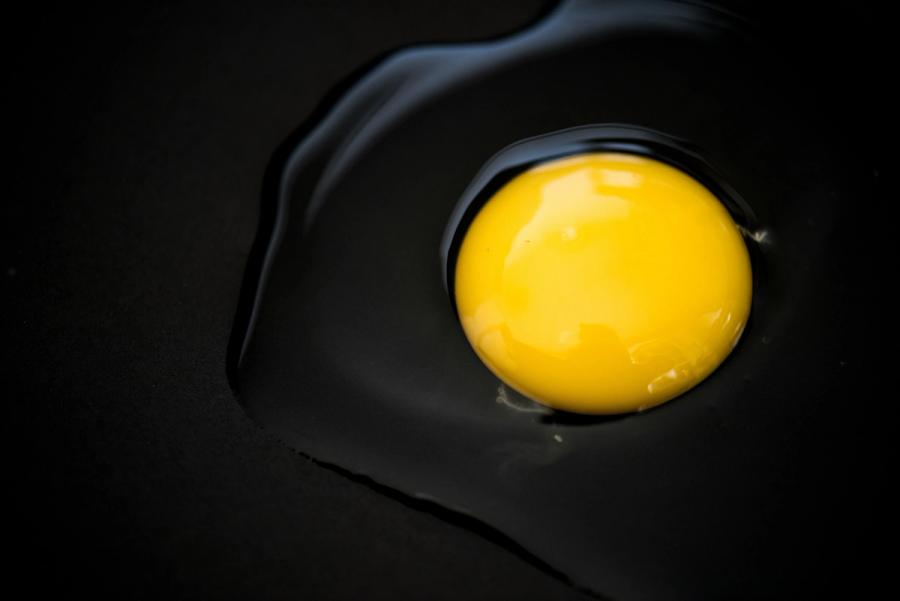
Raw eggs can carry Salmonella or E. coli, putting cats at risk of infection. A food that looks fresh is not necessarily free of these bacteria.
Repeated feeding of raw egg whites can also interfere with biotin absorption. This is a nutritional concern distinct from the immediate risk of bacterial exposure; raw eggs should not become a regular part of your cat's diet.
5. Raw Meat And Fish
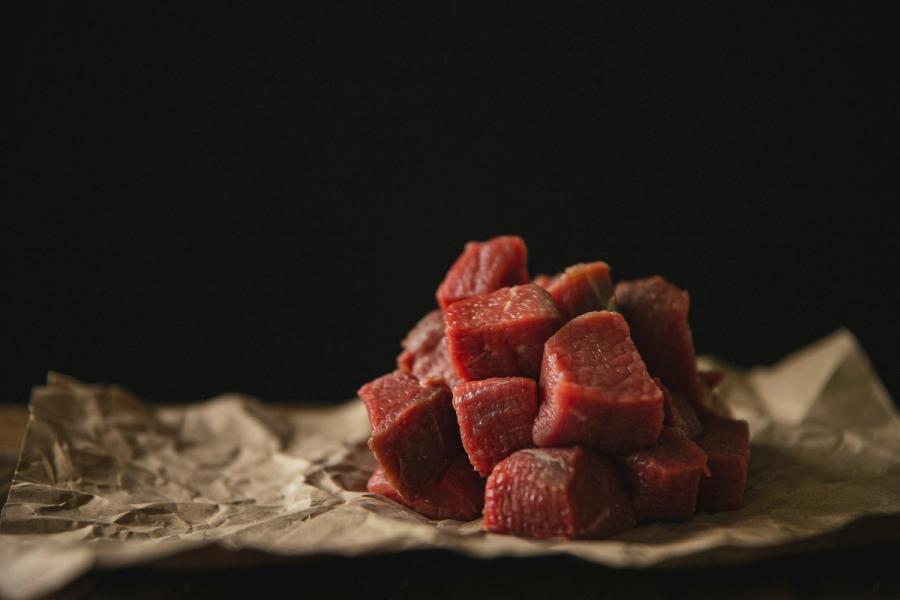
Raw meat and fish can expose cats and people handling the food to harmful bacteria. FDA testing of raw pet foods found Salmonella and Listeria, and the agency warns that contaminated food can spread infection.
Some raw fish also contain thiaminase, an enzyme that breaks down thiamine, or vitamin B1, potentially causing deficiency with repeated feeding. Separately, FDA warns that raw meat and unpasteurized milk can transmit H5N1 bird flu to cats, with potentially fatal consequences.
4. Chocolate
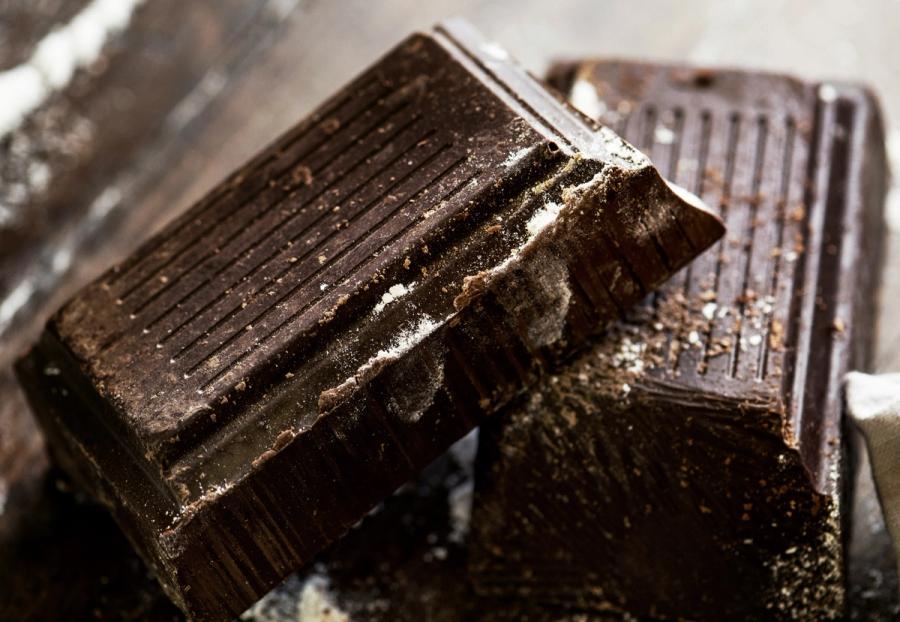
Chocolate contains theobromine and caffeine, which are toxic to cats. Poisoning can cause vomiting, a fast heartbeat, tremors and seizures.
Darker chocolate generally contains more of these compounds than milk chocolate; cocoa powder and baking chocolate are especially concentrated. The product and amount matter, so keep the wrapper and contact your vet rather than trying to calculate a safe dose.
3. Dairy Products
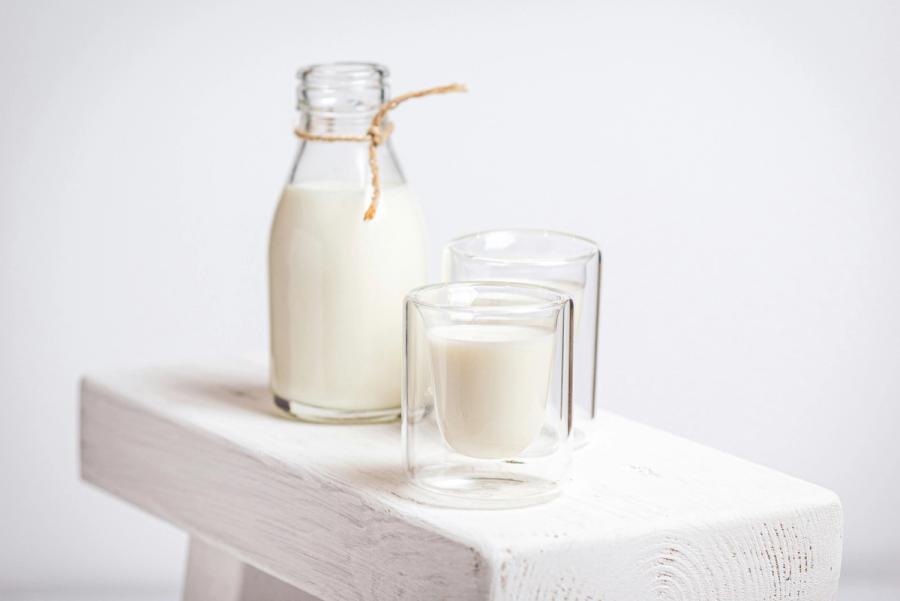
Milk and other dairy products can cause diarrhea or digestive upset because many cats do not digest lactose well. Lactose is milk sugar, and breaking it down requires the enzyme lactase.
A saucer of milk is therefore a poor routine treat, despite its familiar place in pictures of cats. Unpasteurized milk brings an additional infection risk, including the H5N1 warning described above.
2. Tuna (as a main diet)
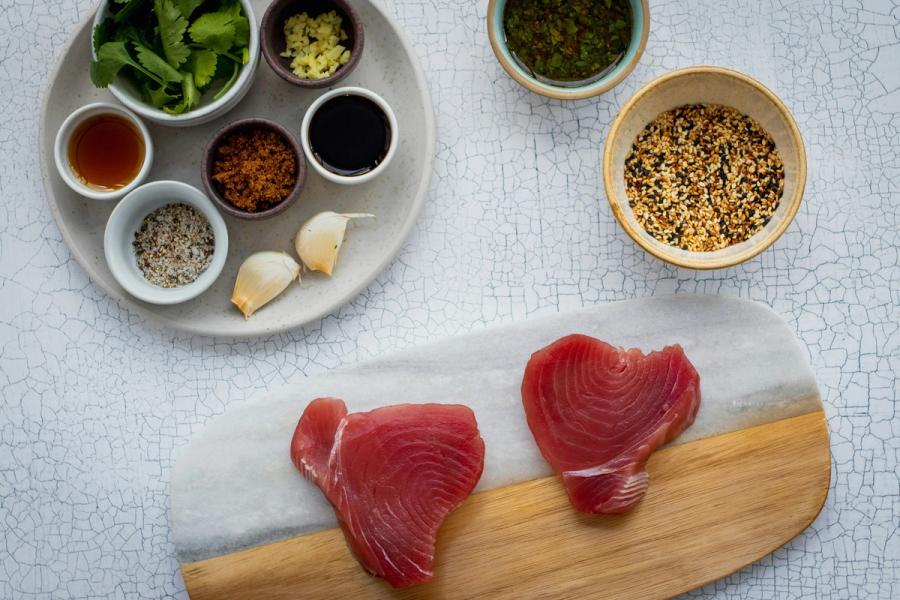
Tuna sold for people is not a complete diet for cats and should not replace balanced cat food. Fish-heavy diets with excessive unsaturated fat and inadequate vitamin E or other antioxidants are associated with steatitis, also called yellow fat disease.
Steatitis is painful inflammation of body fat, not proof that all fish is bad for cats. A nutritionally complete fish-based cat food is different from feeding plain tuna as the main meal.
1. Dog Food
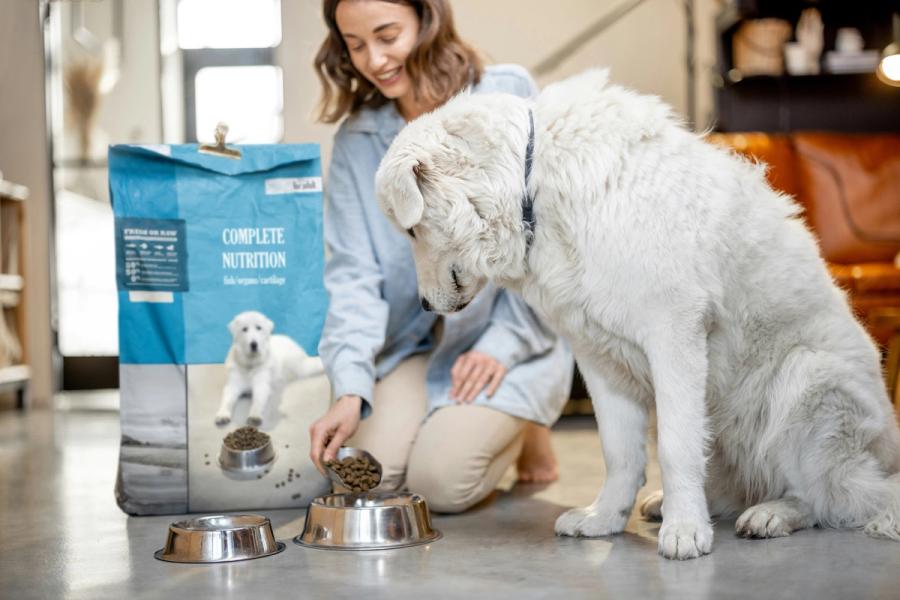
Dog food does not meet cats' nutritional requirements, including their need for dietary taurine. Cats also require more dietary protein than dogs, so the two foods are not interchangeable as everyday meals.
Taurine deficiency can damage the retina and cause dilated cardiomyopathy, a serious heart condition; signs may take months to develop. Feed a complete cat food suited to your cat's life stage. For homes with both pets, see our guide to foods you should never feed your dog.
If your cat eats one of these
If you suspect poisoning, are unsure about an exposure, or your cat is unwell, contact your vet or an emergency clinic promptly. Do not wait for signs after a suspected toxic exposure: onion-related anemia, for example, can appear later.
Do not try to make a cat vomit at home, and never give hydrogen peroxide or salt for that purpose. Remove access to the food, keep the packaging, and note what was eaten, how much and when.
In the US, call ASPCA Poison Control at 888-426-4435 or Pet Poison Helpline at 855-764-7661. Fees may apply.
This is general information, not a substitute for advice from a vet.