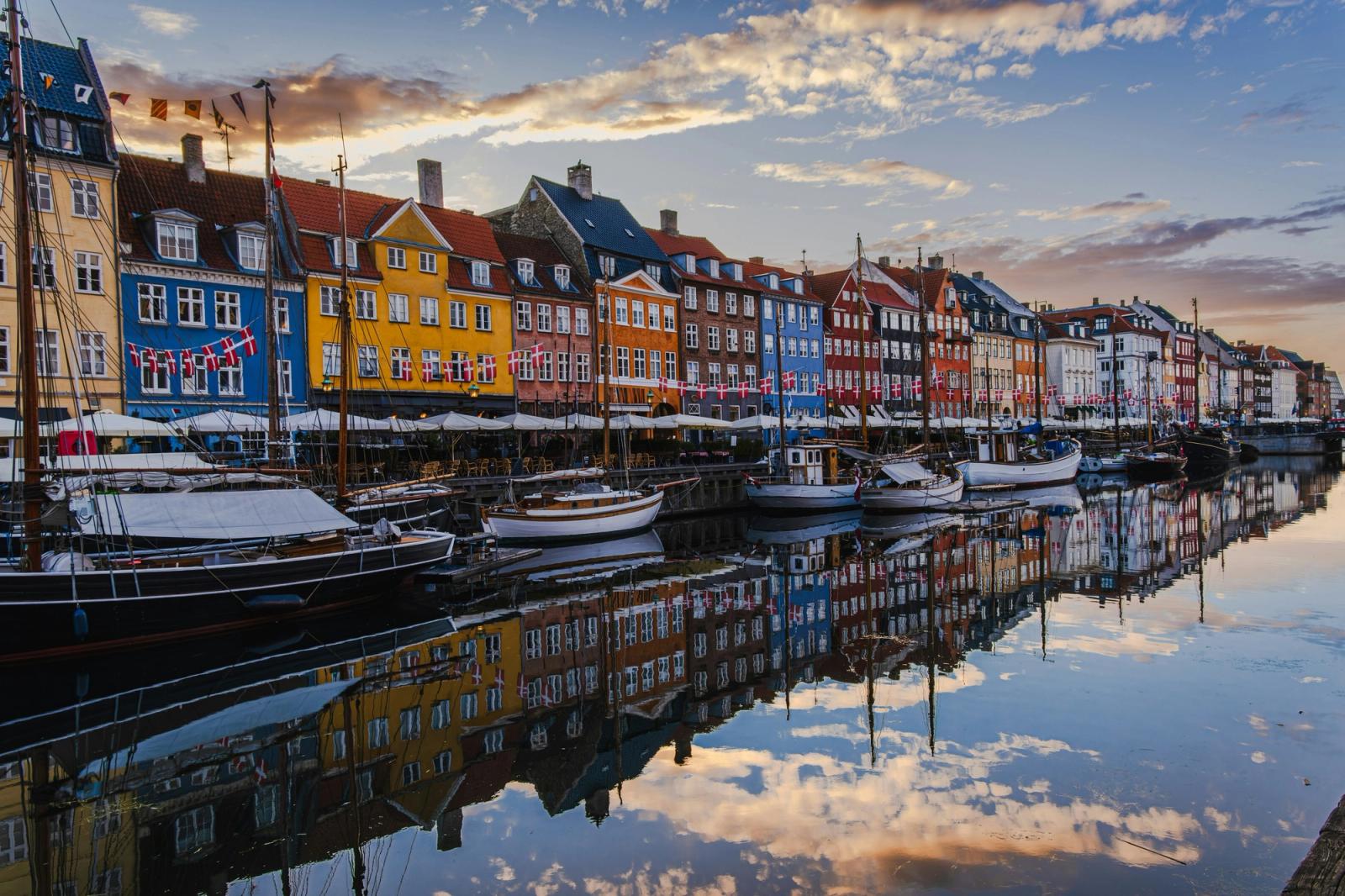
Denmark leads the Corruption Perceptions Index 2025 with 89 out of 100, making it the least corrupt country by this measure. The global average is 42 across 182 countries and territories.
Some countries have equal scores; we list them alphabetically, with Iceland, level with Germany at 77, named after number 10. Even leading regions face setbacks: Transparency International describes Western Europe’s average as “dropping quicker than any other”.
How we ranked this
We use Transparency International’s CPI 2025, released on February 10, 2026, and its official results spreadsheet. The index combines expert and business assessments of perceived public-sector corruption, on a scale from 0 (highly corrupt) to 100 (very clean). Its methodology does not directly measure every corrupt act or cover private-sector corruption and money laundering.
Equal scores are listed alphabetically; this is display order, not a better score. The official CPI rank appears in the table and item text.
| No. | Country | CPI 2025 score | CPI rank | Change vs 2024 |
|---|---|---|---|---|
| 1 | Denmark | 89 | 1 | -1 |
| 2 | Finland | 88 | 2 | 0 |
| 3 | Singapore | 84 | 3 | 0 |
| 4 | New Zealand | 81 | 4 (shared) | -2 |
| 5 | Norway | 81 | 4 (shared) | 0 |
| 6 | Sweden | 80 | 6 (shared) | 0 |
| 7 | Switzerland | 80 | 6 (shared) | -1 |
| 8 | Luxembourg | 78 | 8 (shared) | -3 |
| 9 | Netherlands | 78 | 8 (shared) | 0 |
| 10 | Germany | 77 | 10 (shared) | +2 |
Corruption, peace and life satisfaction measure different things. Compare this ranking with the most peaceful countries in the world and the happiest countries in the world.
10. Germany — 77/100
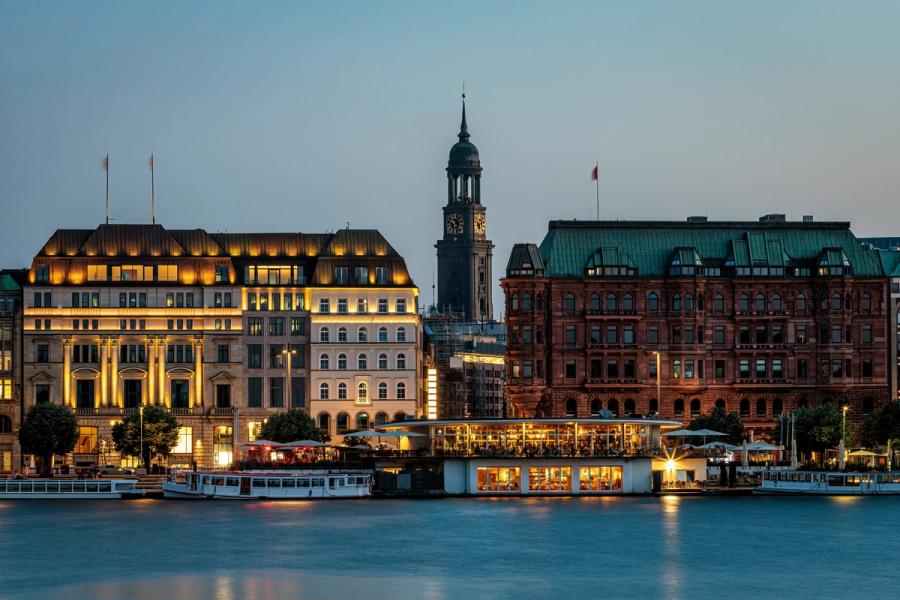
Germany scores 77/100, up two points from 2024, and shares CPI rank 10 with Iceland. Its public lobbying register lets people search who seeks to influence federal decisions, including their policy interests and funding. Political parties also publish annual financial reports audited by certified auditors.
Also at 77/100: Iceland shares CPI rank 10 with Germany, with its score unchanged from 2024. The OECD country review notes that ministers must disclose interests when entering or changing public office. It also identifies a gap: regulations do not establish a procedure for verifying those declarations.
9. Netherlands — 78/100
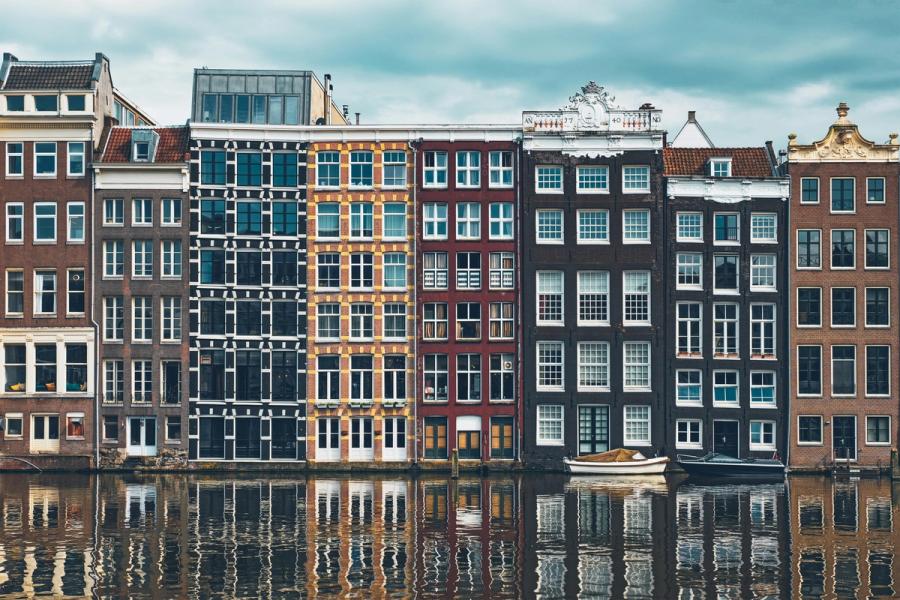
The Netherlands scores 78/100, unchanged from 2024, sharing CPI rank 8 with Luxembourg. Equal scores mean equal CPI ranks, even though the countries occupy separate positions in this countdown.
The OECD review highlights free access to government information under the Open Government Act. Laws, national budgets and public-consultation comments are available online. These records give citizens concrete material for examining how public decisions are made.
8. Luxembourg — 78/100
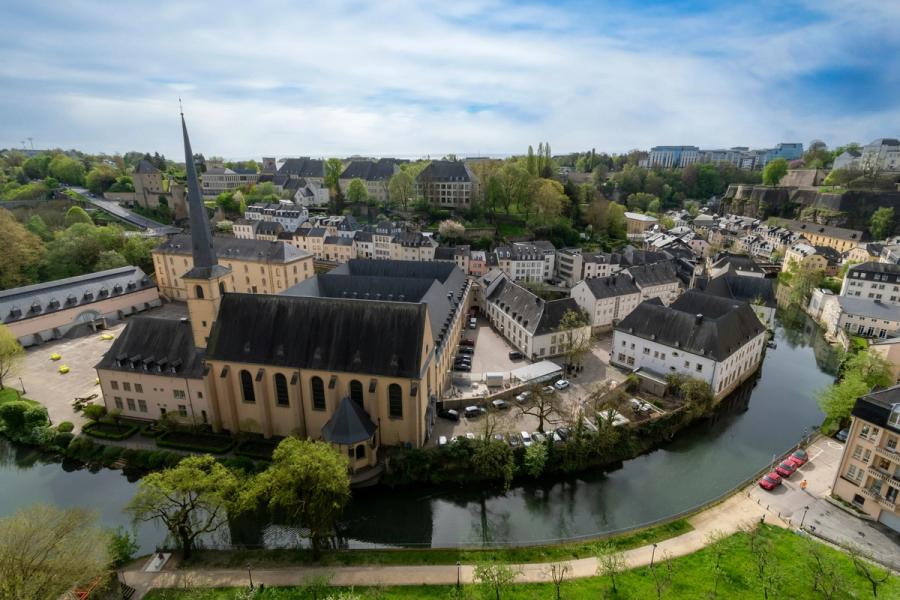
Luxembourg scores 78/100, three points below its 2024 score of 81, and shares CPI rank 8 with the Netherlands. That is the largest one-year score drop among the countries listed here.
According to the OECD review, political parties must publish financial reports and report finances during election campaigns. Anonymous donations are banned. However, the rules do not cap campaign spending by parties or candidates.
7. Switzerland — 80/100
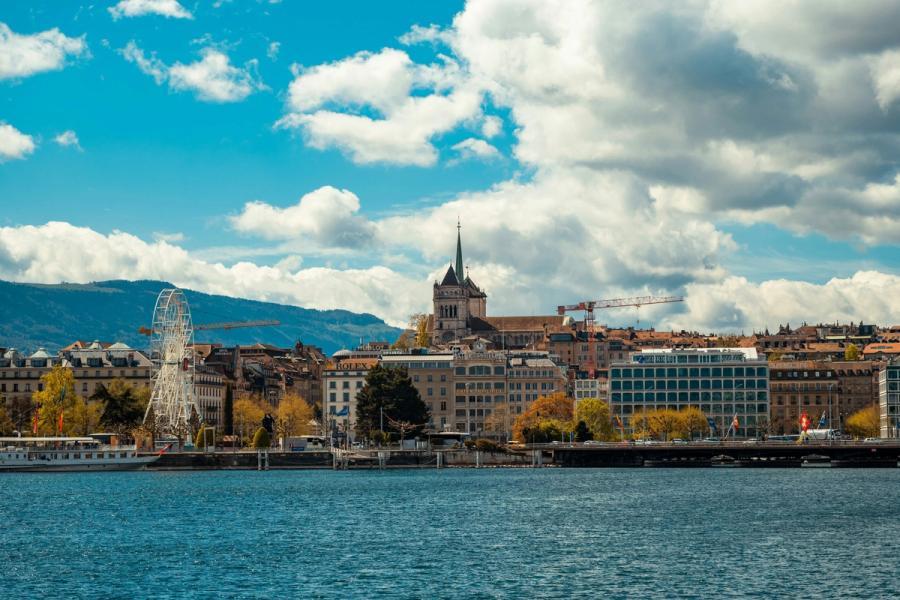
Switzerland scores 80/100, down one point from 2024, sharing CPI rank 6 with Sweden. Its high placement comes alongside a longer decline: the score has fallen six points since 2015.
Transparency Switzerland calls for stronger anti-corruption efforts in government and business. It also highlights an important blind spot: overseas corruption and money laundering are not captured by this index. A strong CPI result cannot settle those separate questions.
6. Sweden — 80/100
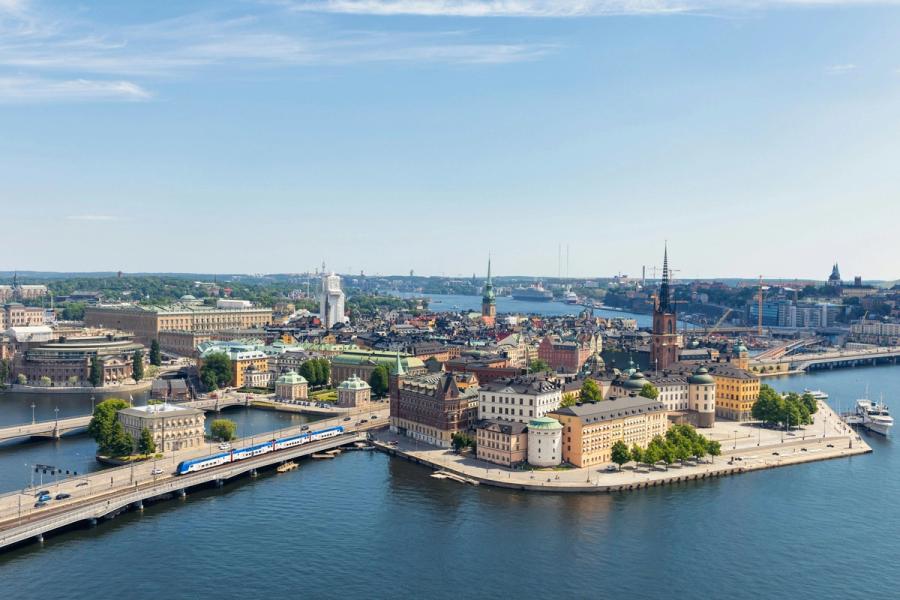
Sweden scores 80/100, the same as in 2024, and shares CPI rank 6 with Switzerland. Its score remains well above the global average of 42.
Sweden adopted an action plan against corruption and undue influence for 2024–2027. The OECD review describes consultation with business, civil society and academia during its development. It also notes that Sweden has no lobbying register.
5. Norway — 81/100
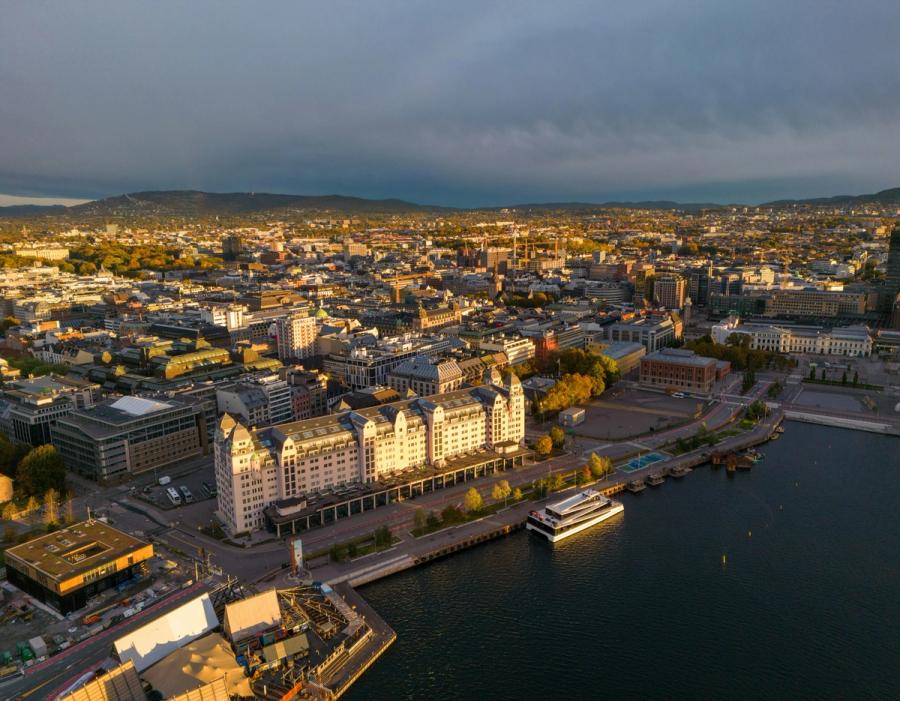
Norway scores 81/100, unchanged from 2024, sharing CPI rank 4 with New Zealand. It is one of three Nordic countries scoring above 80.
The OECD review describes oversight of party finance by the Political Party Law Tribunal. Party financial reports are public, while anonymous donations and contributions from foreign states or companies are banned. Readers can inspect those reports instead of relying only on promises of transparency.
4. New Zealand — 81/100

New Zealand scores 81/100, down two points from 83 in 2024, and shares CPI rank 4 with Norway. It remains the highest-scoring country in Oceania.
The OECD review identifies the independent Electoral Commission as the body overseeing political-party and election-campaign finance. The Ombudsman examines public-sector administration, including information-access matters. The review also finds no regulatory framework for managing lobbying risks.
3. Singapore — 84/100
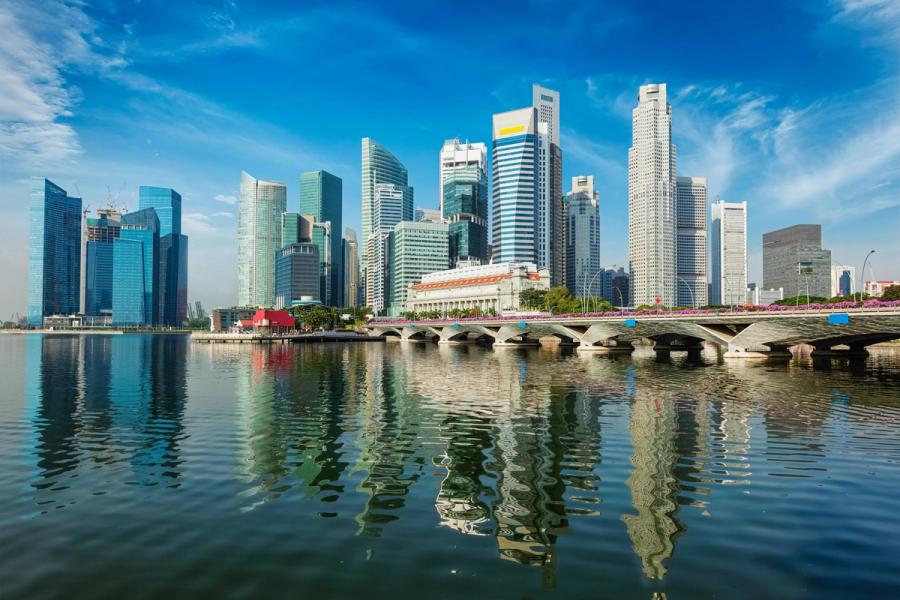
Singapore scores 84/100, unchanged from 2024, taking third place worldwide. It is the highest-scoring country in the Asia-Pacific region, according to its Corrupt Practices Investigation Bureau.
The bureau’s CPI response describes a system built around anti-corruption laws and enforcement. It also emphasizes public vigilance. Singapore is the only Asian country in this top ten.
2. Finland — 88/100
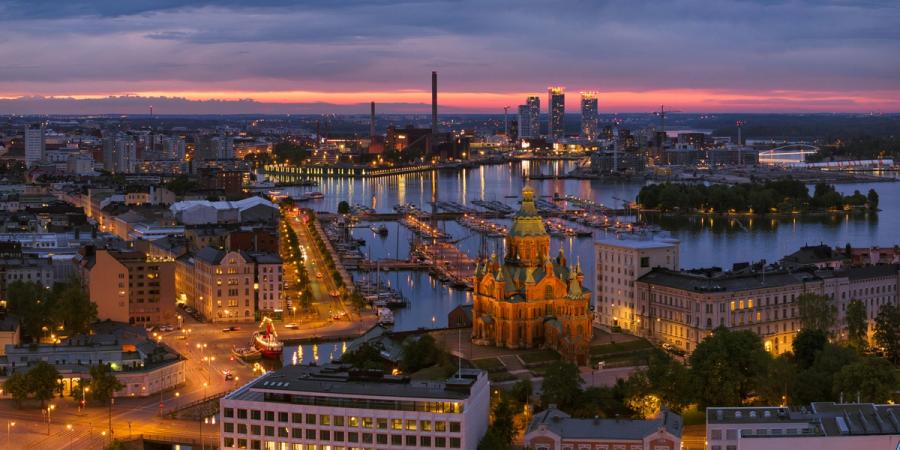
Finland scores 88/100, unchanged from 2024, and ranks second worldwide. It sits just one point behind Denmark and four points ahead of Singapore.
The OECD review identifies Finland’s National Audit Office as the overseer of party and campaign finance. The same office supervises the lobbying register. Political-party financial reports must be public, and donations from foreign states and enterprises are prohibited.
1. Denmark — 89/100
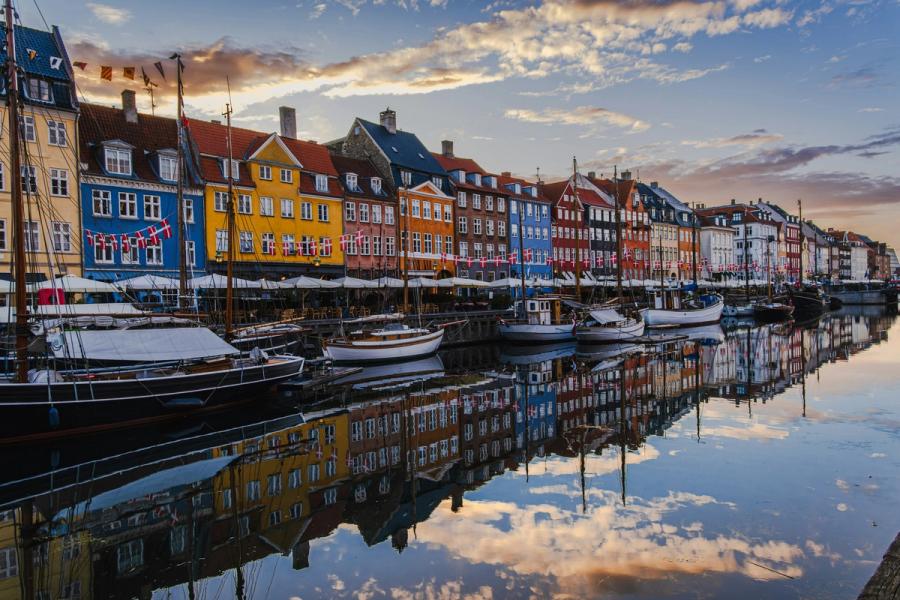
Denmark scores 89/100, down one point from 2024, but remains the least corrupt country by the CPI measure. Transparency International places it first for the eighth consecutive year. Its lead over Finland is only one point.
The OECD review notes that political parties must make their financial reports public. Yet parties are not required to report their finances during election campaigns. Even the highest-scoring country has room to make political funding more transparent.
City rankings answer different questions too. Explore the most liveable cities in the world and our separate list of the most dangerous cities in the world.