Of the ten raw forms compared here, red bell pepper leads with 127.7 mg of vitamin C per 100 g. Broccoli follows at 89.2 mg, then cauliflower at 48.2 mg.
Vitamin C is sensitive to heat and can be lost into cooking water. Eating vegetables raw avoids cooking losses, but does not automatically make them more nutritious or safer. Wash produce before preparing it, and follow the safety advice below.
How we ranked this
We ranked this post’s ten selected vegetables by vitamin C per 100 g of edible raw food, using USDA SR Legacy, April 2018. Each entry uses the form named in the table; this is not a comparison of every vegetable you can eat raw.
Vitamin C is one nutrient, not an overall health score, and amounts vary with variety, ripeness and storage. For context, the FDA’s vitamin C Daily Value is 90 mg for adults and children aged four and older; individual needs vary.
| Rank | Vegetable (raw form) | Vitamin C (mg) | Fiber (g) | Energy (kcal) |
|---|---|---|---|---|
| 1 | Red bell pepper | 127.7 | 2.1 | 26 |
| 2 | Broccoli | 89.2 | 2.6 | 34 |
| 3 | Cauliflower | 48.2 | 2.0 | 25 |
| 4 | Spinach | 28.1 | 2.2 | 23 |
| 5 | Zucchini, with skin | 17.9 | 1.0 | 17 |
| 6 | Radish | 14.8 | 1.6 | 16 |
| 7 | Red ripe tomato, year-round average | 13.7 | 1.2 | 18 |
| 8 | Carrot | 5.9 | 2.8 | 41 |
| 9 | Celery | 3.1 | 1.6 | 14 |
| 10 | Cucumber, with peel | 2.8 | 0.5 | 15 |
10. Cucumber, 2.8 mg vitamin C
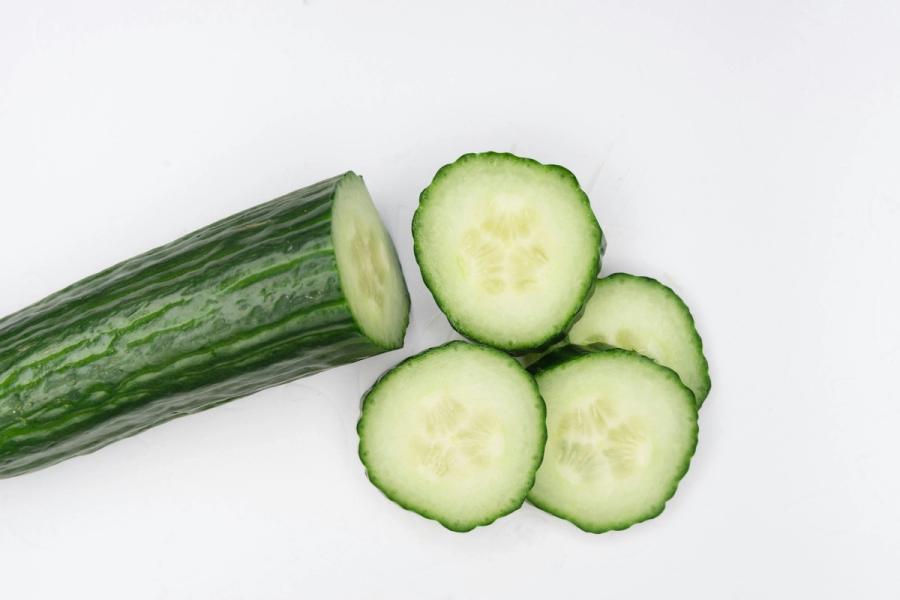
Cucumber with its peel provides 2.8 mg of vitamin C per 100 g, putting it tenth in this comparison. That amount also contains 0.5 g of fiber and 15 calories.
The same USDA entry contains about 95.2 g of water per 100 g. Slice washed cucumber into rounds or thin ribbons, then add lemon juice and herbs for a simple side dish.
9. Celery, 3.1 mg vitamin C
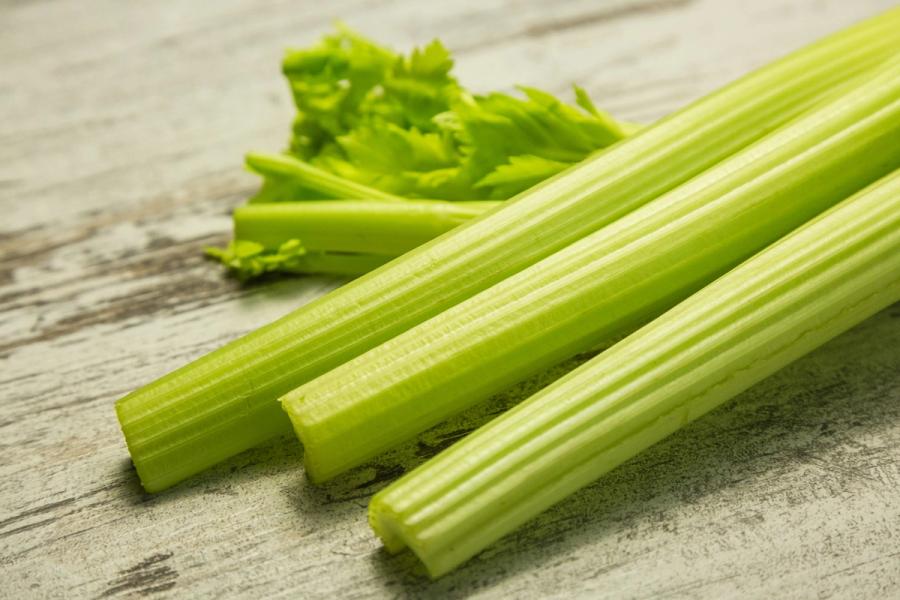
Raw celery contains 3.1 mg of vitamin C per 100 g, placing it ninth. It also supplies 1.6 g of fiber and 14 calories in the same amount.
Cut the stalks into short sticks for dipping, or slice them thinly for a crunchy salad topping. Pair them with hummus made from chickpeas, one of our plant-based protein sources.
8. Carrot, 5.9 mg vitamin C
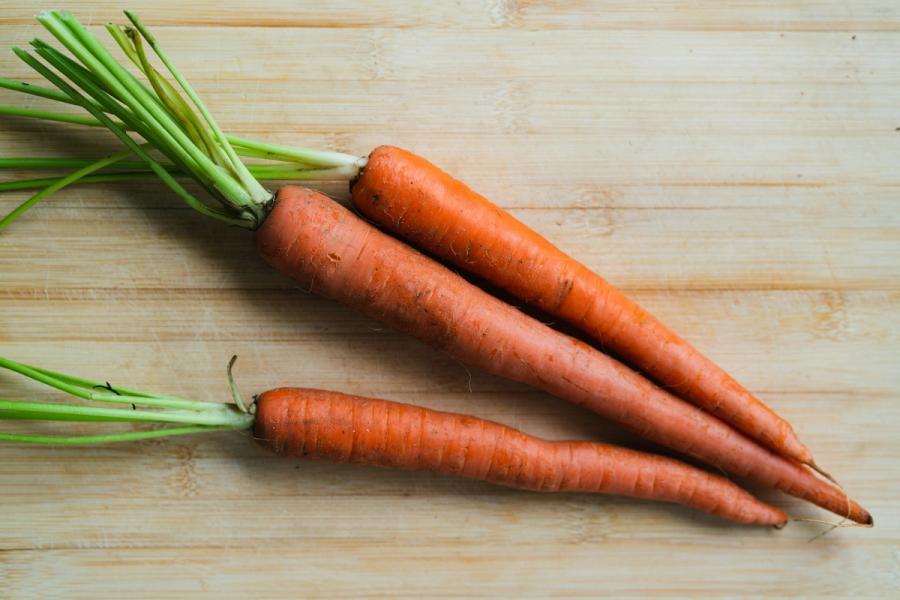
Raw carrot provides 5.9 mg of vitamin C per 100 g, earning eighth place here. It contains 2.8 g of fiber and 41 calories in that amount.
Carrots stand out more for vitamin A: 835 micrograms of retinol activity equivalents per 100 g, the highest among these ten forms. Grate them into salads or cut them into thin sticks after washing.
7. Tomato, 13.7 mg vitamin C
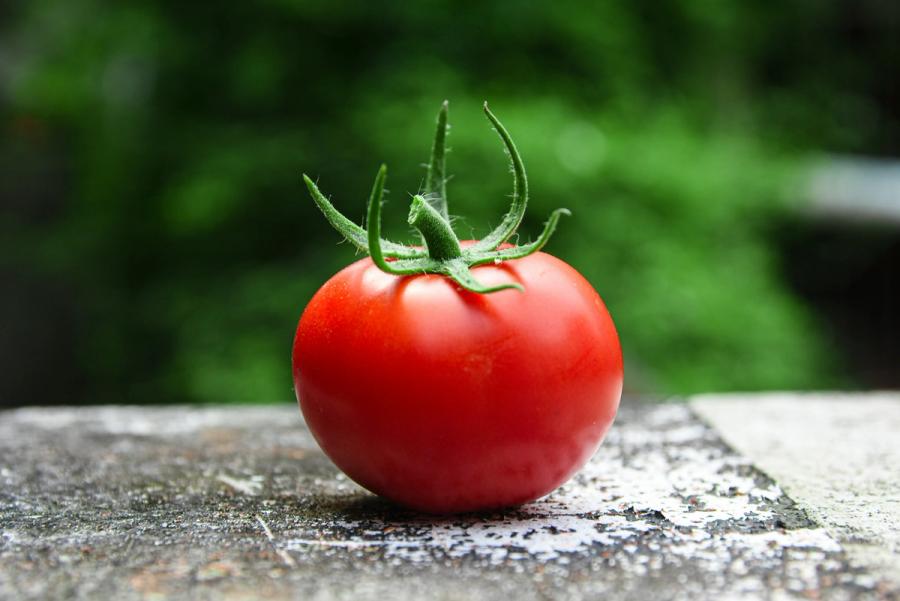
Red ripe tomato has 13.7 mg of vitamin C per 100 g, using USDA’s year-round average. That places it seventh, with 1.2 g of fiber and 18 calories.
Slice tomatoes into sandwiches or chop them with cucumber and herbs. This USDA entry also contains 2,573 micrograms of lycopene, the red pigment that gives tomatoes their color, per 100 g.
6. Radish, 14.8 mg vitamin C
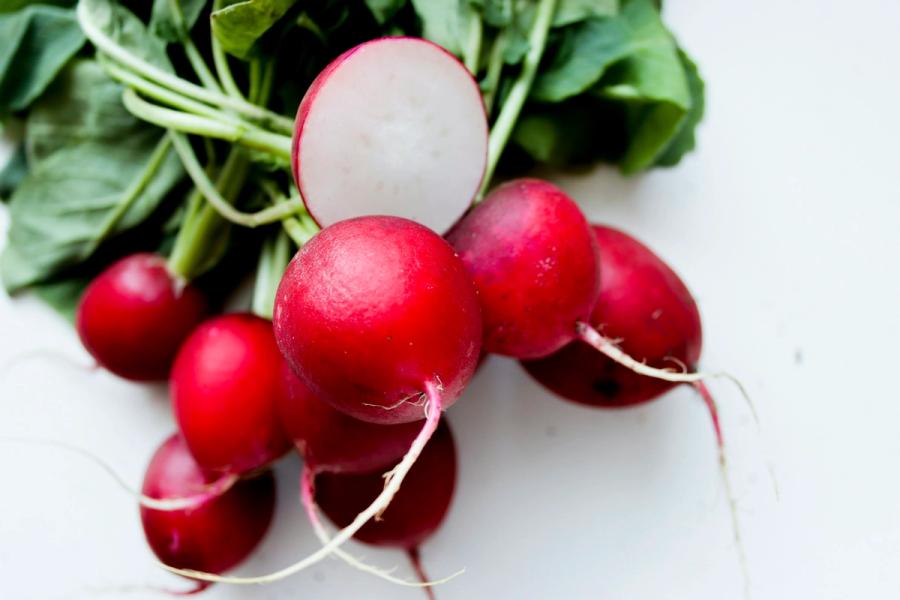
Raw radish supplies 14.8 mg of vitamin C per 100 g, placing it sixth. The same amount provides 1.6 g of fiber and 16 calories.
Thin slices add a peppery crunch to salads, tacos and sandwiches.
5. Zucchini, 17.9 mg vitamin C
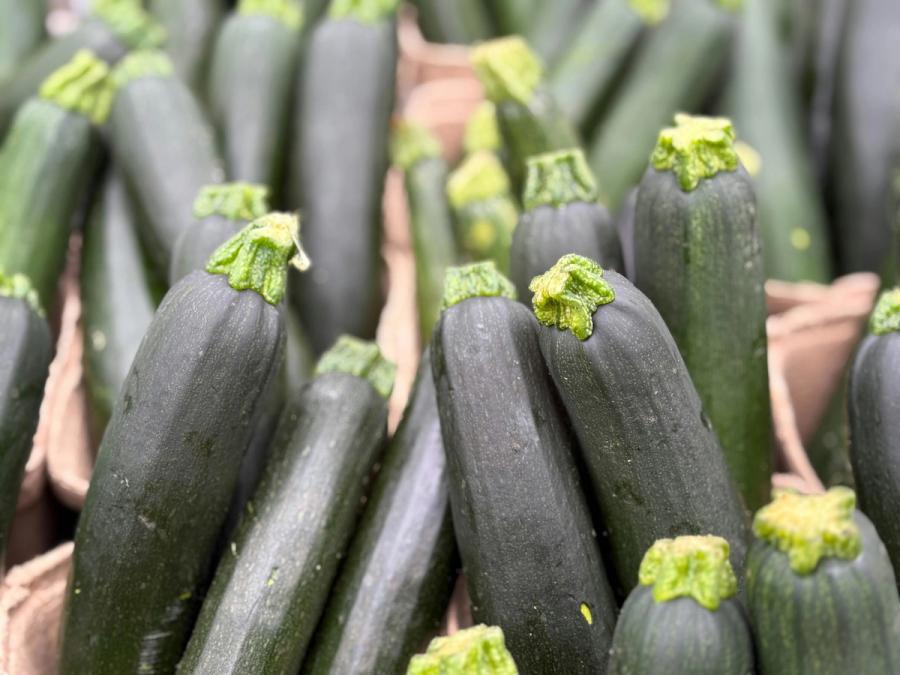
Raw zucchini with its skin contains 17.9 mg of vitamin C per 100 g, taking fifth place. It also provides 1.0 g of fiber and 17 calories.
Use a vegetable peeler to make thin ribbons for a salad with lemon and herbs. If zucchini tastes very bitter, spit it out and discard it: cooking does not destroy the toxin cucurbitacin.
4. Spinach, 28.1 mg vitamin C
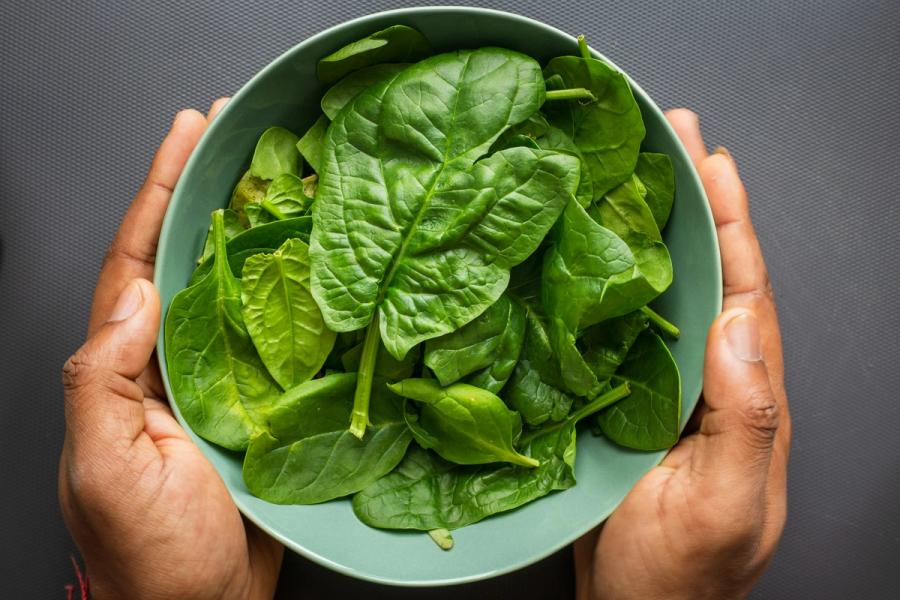
Raw spinach provides 28.1 mg of vitamin C per 100 g, placing it fourth. The same amount contains 194 micrograms of folate as dietary folate equivalents, plus 2.2 g of fiber.
Add washed leaves to salads or sandwiches; packages labeled prewashed or ready-to-eat do not need another rinse. If you have had calcium-oxalate kidney stones, ask your clinician or dietitian about limiting spinach because it is high in oxalate.
3. Cauliflower, 48.2 mg vitamin C
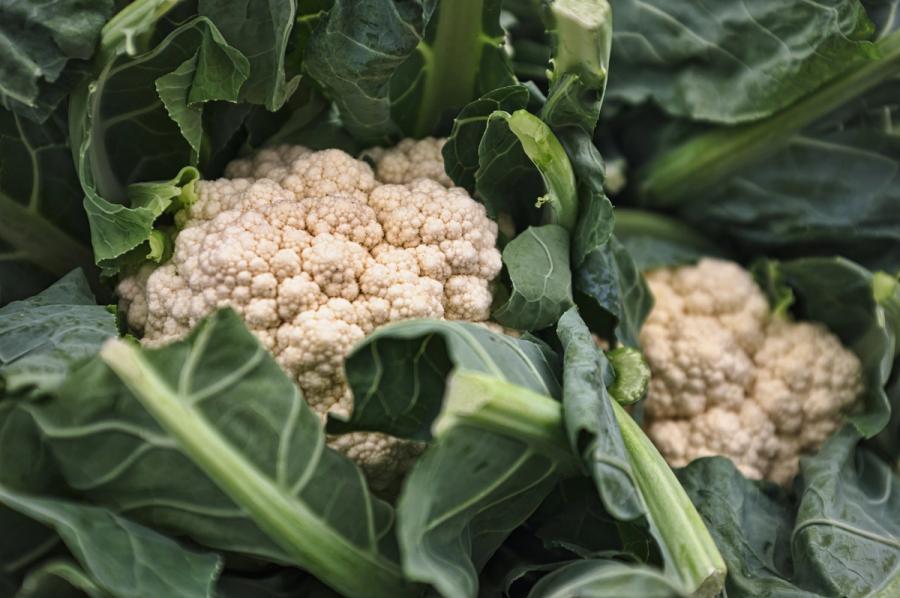
Raw cauliflower contains 48.2 mg of vitamin C per 100 g, earning third place. That amount also has 2.0 g of fiber and 25 calories.
Cut the washed head into small florets for dipping, or chop it finely into a salad. For more variety beyond these vegetables, explore our selection of healthy foods you may be overlooking.
2. Broccoli, 89.2 mg vitamin C
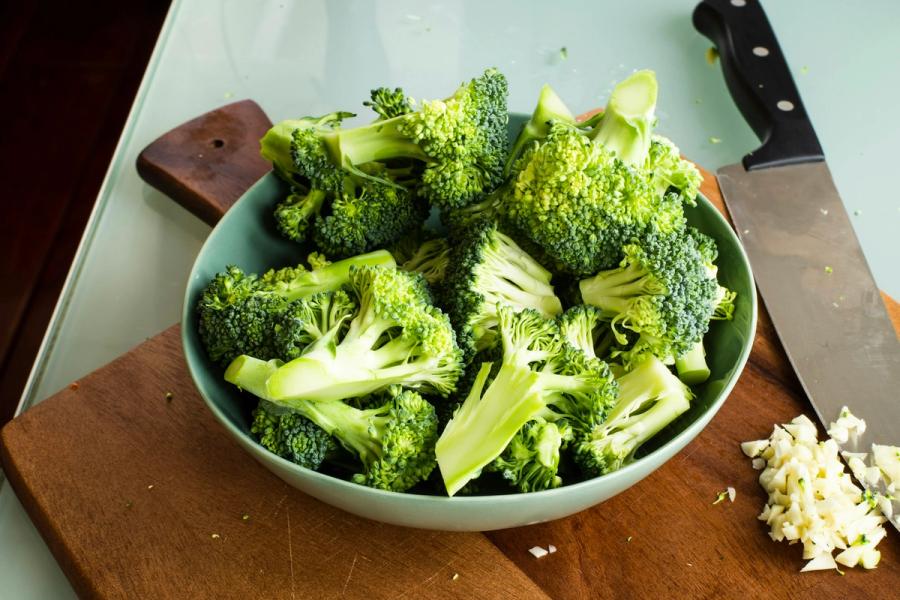
Raw broccoli provides 89.2 mg of vitamin C per 100 g, placing it second. It also contains 2.6 g of fiber and 34 calories in that amount.
Cut the washed florets small and slice the stems thinly to make them easier to chew. Broccoli and spinach contain vitamin K; if you take warfarin, keep your intake consistent and consult your prescriber before major diet changes.
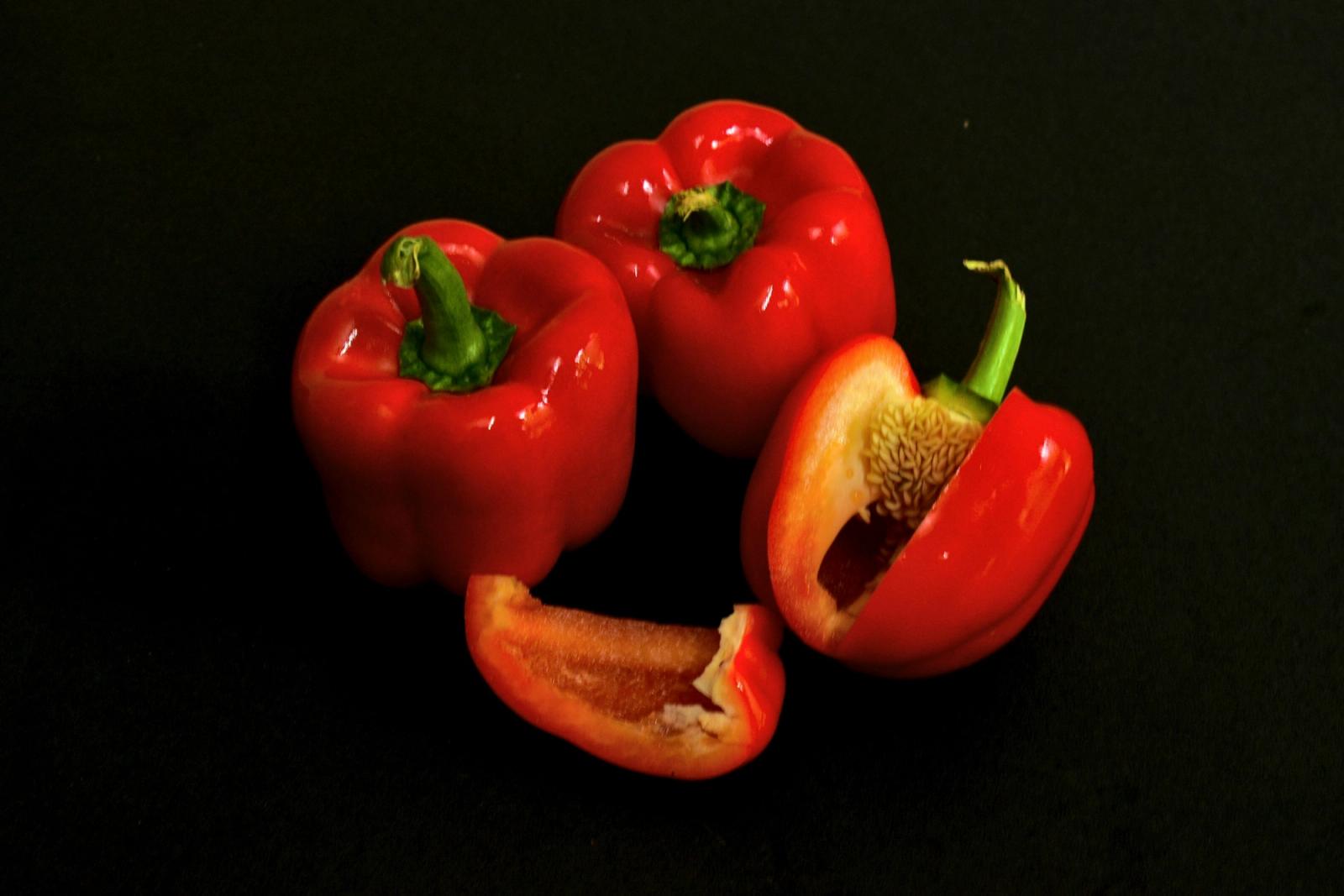
1. Red bell pepper, 127.7 mg vitamin C
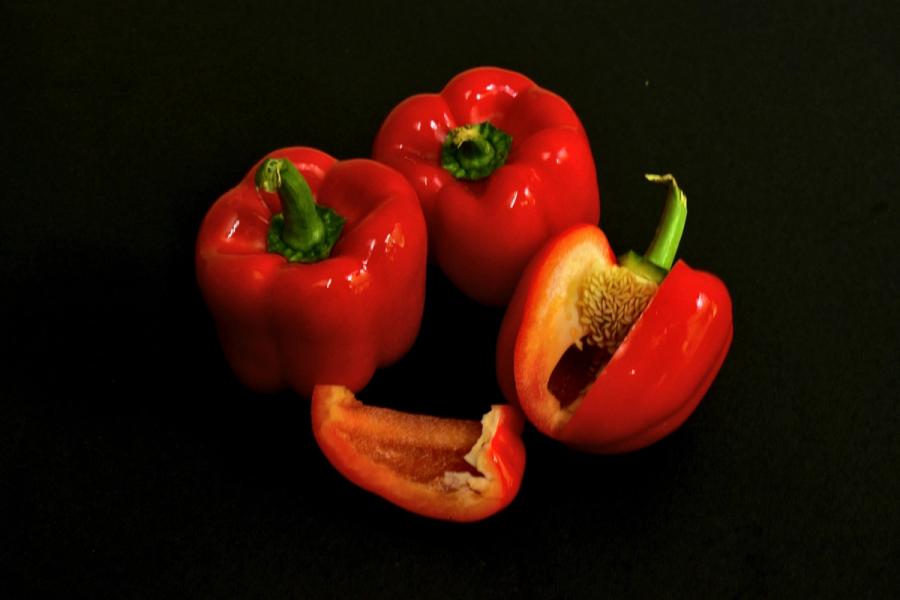
Raw red bell pepper provides 127.7 mg of vitamin C per 100 g, the highest of the ten forms ranked here. It also contains 2.1 g of fiber and 26 calories.
Pepper color matters: USDA lists green peppers at 80.4 mg and yellow peppers at 183.5 mg of vitamin C per 100 g. Yellow therefore exceeds red, but red is the form selected for this comparison.
Wash the pepper, remove its stem and seeds, then slice it into strips for salads or dipping. Use these vegetables alongside other foods from our healthy-foods selection to build variety.
Eating raw vegetables safely
Wash your hands and tools, then rinse produce under running water before cutting or peeling it. Scrub firm produce such as cucumber with a clean brush, trim damaged areas, and dry with a clean towel. Keep it separate from raw meat, and refrigerate precut produce.
Do not wash food with soap, detergent or cleaning chemicals. Follow prewashed or ready-to-eat package labels; those greens do not need rewashing. Rinsing reduces contamination but cannot remove all harmful germs.
Raw leafy greens have been linked to E. coli outbreaks. CDC identifies washed produce as a safer choice and washed-then-cooked produce as safest. Extra care matters during pregnancy, for children under five, adults 65 or older, and people with weakened immune systems.
Discard very bitter zucchini or other squash; heating does not make cucurbitacin safe. Keep vitamin-K-rich foods consistent if you take warfarin, and discuss major diet changes with your prescriber. People with previous calcium-oxalate stones should seek individual advice about spinach.
This is general information, not a substitute for advice from a doctor or registered dietitian.
SourcesSources are linked throughout the article. The main sources are listed below.
- USDA SR Legacy, April 2018: official catalogue; downloadable archive. NDB: 11821, 11090, 11135, 11457, 11477, 11429, 11529, 11124, 11143, 11205. Pepper comparisons: 11333 and 11951.
- NIH Office of Dietary Supplements: Vitamin C — cooking and storage losses; updated July 31, 2025.