Chocolate, grapes, xylitol, onions and garlic, caffeine, alcohol, moldy walnuts, poisonous wild mushrooms, salt, and macadamia nuts can make dogs seriously ill. Some cause symptoms quickly; others can damage organs before a dog looks unwell.
If your dog may have eaten one of these, call your veterinarian or an emergency clinic now, even without symptoms.
How we chose these
This editorial list covers ten food hazards described by veterinary toxicology specialists, including the Merck Veterinary Manual and ASPCA Poison Control. The numbers are not an order of danger. Risk depends on the substance, product, amount eaten, and the dog's size; grapes have no established safe amount.
In the ASPCA's pet poison-control figures for 2025, food and drink ranked second at 16.4%, while chocolate ranked fourth at 13.6%. These figures describe reported pet exposures and calls, not how dangerous each food is or the incidence of poisoning in dogs.
| No. | Food | Harmful substance | Main harm |
|---|---|---|---|
| 1 | Alcohol | Ethanol | Poor coordination, low body temperature, breathing problems |
| 2 | Xylitol | Xylitol | Low blood sugar; liver failure in some dogs |
| 3 | Chocolate | Theobromine and caffeine | Vomiting, abnormal heart rhythms, seizures |
| 4 | Wild mushrooms | Amatoxins and other species-dependent toxins | Liver, nervous system, or digestive injury |
| 5 | Onion and garlic | Sulfur-containing oxidants | Red blood cell damage and anemia |
| 6 | Moldy walnuts | Tremorgenic mold toxins | Tremors and seizures |
| 7 | Grapes and raisins | Tartaric acid (suspected) | Acute kidney injury or failure |
| 8 | Caffeine | Caffeine | Abnormal heart rhythms, tremors, seizures |
| 9 | Salt and salty foods | Sodium chloride | Vomiting, tremors, seizures; can be fatal |
| 10 | Macadamia nuts | Unknown | Weakness, tremors, high body temperature |
10. Macadamia Nuts
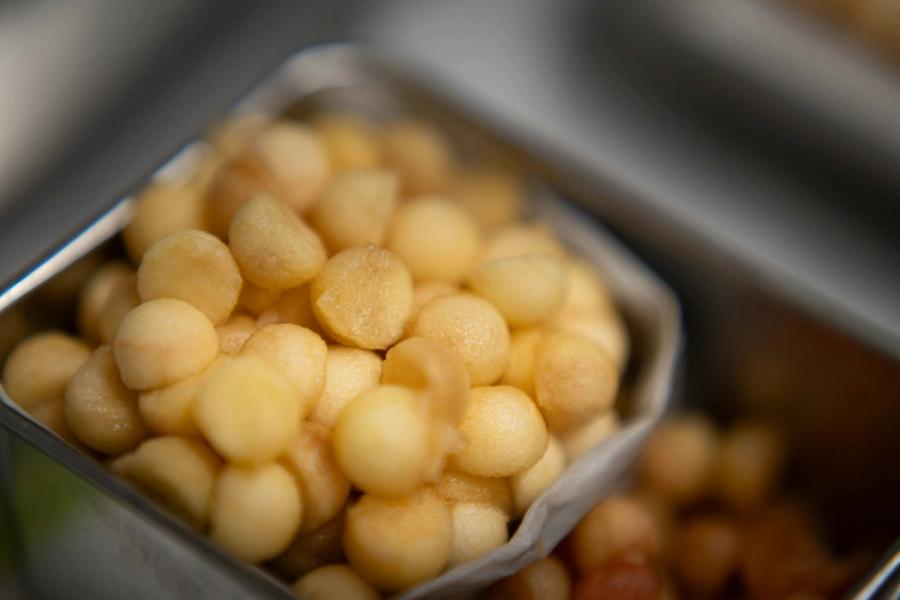
Dogs have developed poisoning signs after eating 2.4 grams of macadamia nuts per kilogram of body weight, according to Merck. This reported dose is not a safe feeding allowance, and the substance responsible remains unknown. Within 12 hours, affected dogs may develop weakness, vomiting, wobbling, tremors, unusual drowsiness, or a high body temperature.
Merck says signs usually clear within 12–48 hours; the ASPCA gives 24–72 hours. Call your vet promptly rather than assuming your dog will recover without help; some dogs need supportive treatment. Chocolate-covered nuts add chocolate's separate poisoning risk, so check cookies and mixed snacks for raisins or xylitol too. Keep the packaging so the vet can assess every ingredient.
9. Salt and Salty Foods
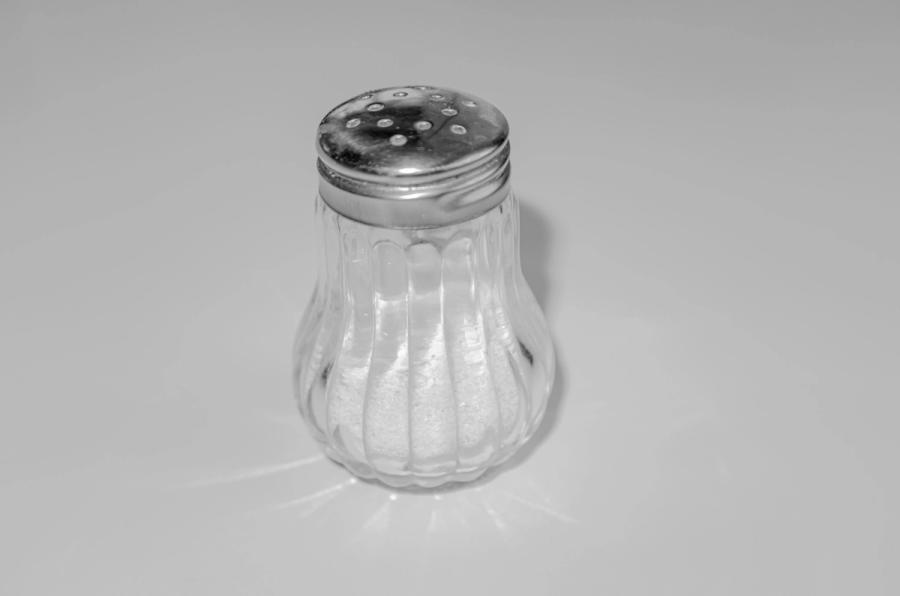
Poisoning signs can occur after dogs swallow 2–3 grams of salt (sodium chloride) per kilogram of body weight, according to Merck. An acute dose around 4 g/kg can be fatal; these figures describe salt itself, not the total weight of a snack. Vomiting can begin within hours and progress to weakness, diarrhea, tremors, or seizures.
Salty snacks, rock salt, seawater, and salt-dough ornaments can expose dogs to excess salt, especially when fresh water is unavailable. Never use salt to make a dog vomit; call a vet immediately after suspected poisoning. Veterinary treatment gradually restores sodium and fluid balance with careful monitoring, because lowering sodium too quickly can cause dangerous brain swelling.
8. Caffeine

Coffee grounds, beans, tea bags, and concentrated caffeine products can cause serious poisoning in dogs. Pet Poison Helpline says a lick or two of coffee, tea, or soda is unlikely to poison most pets. Eating the concentrated ingredients is a different exposure.
Caffeine can cause restlessness, stomach upset, abnormal heart rhythms, tremors, and seizures. Energy drinks, pre-workout products, and weight-loss supplements can also contain it. Keep these products out of reach, and tell the vet exactly what your dog swallowed.
7. Grapes and Raisins
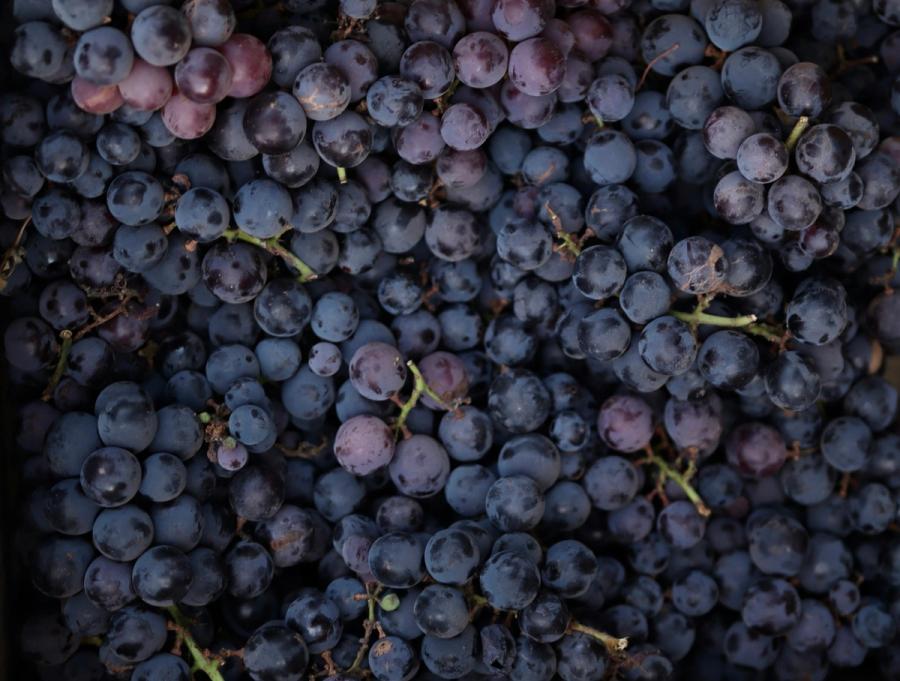
There is no established safe amount of grapes or raisins for dogs. Raisins, sultanas, and dried Zante currants are grapes; true currants belong to a different plant group.
Merck identifies tartaric acid as a proposed cause of kidney injury, with concentrations varying among fruits. Vomiting or diarrhea often starts within 6–12 hours, while kidney failure can develop within 24–72 hours. Contact a vet immediately rather than waiting for either.
6. Walnuts
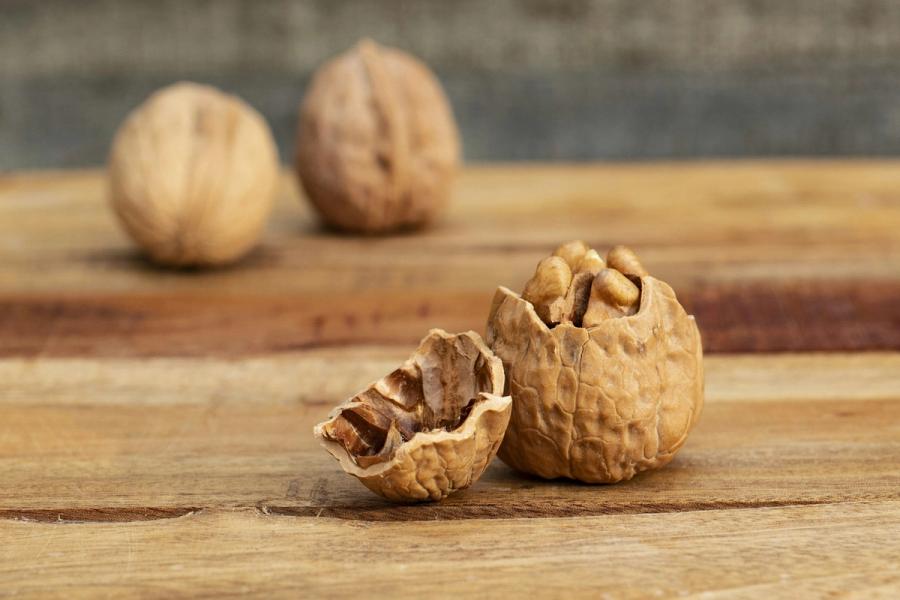
Mold growing on walnuts can produce toxins that cause tremors and seizures in dogs. Merck's veterinary guidance also identifies moldy dairy products and compost as sources of these toxins. Keep dogs away from discarded food and fallen, moldy nuts.
The ASPCA's black walnut entry specifically warns about moldy nuts and hulls. Fresh walnuts are not risk-free either: their high fat content can cause vomiting, diarrhea, and sometimes pancreatitis. That is a different hazard from mold poisoning.
5. Onion and Garlic
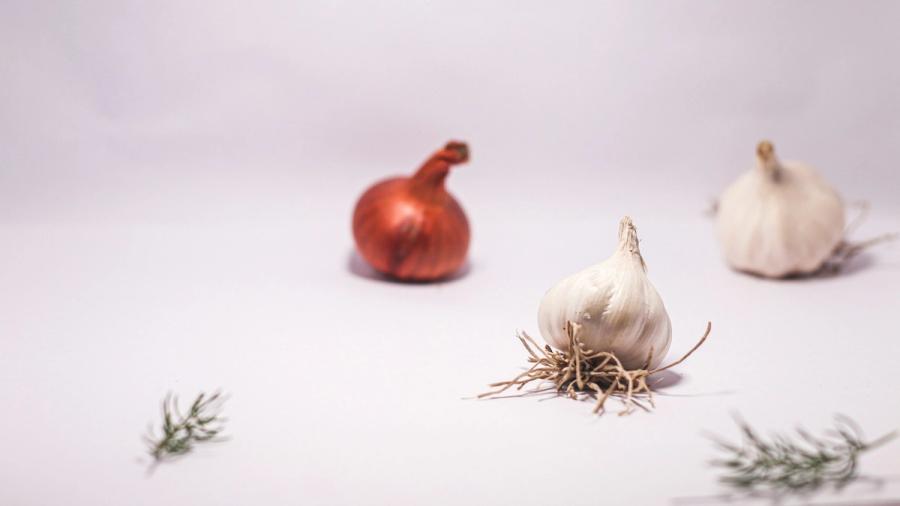
Eating 15–30 grams of raw onion per kilogram of body weight has caused clinical signs in dogs, according to Merck. Garlic is reported to be three to five times as toxic as onion. These figures are not safe feeding allowances.
Raw, cooked, dried, and powdered forms can all cause harm; concentrated powders and dry onion soup mixes are common culprits. Leeks and chives are also members of the Allium group.
Oxidative changes in red blood cells begin within 24 hours, while red-cell breakdown typically occurs three to five days later. Anemia can therefore appear after a dog initially seems well. Weakness, pale gums, and rapid breathing are reasons for urgent veterinary care.
4. Mushrooms
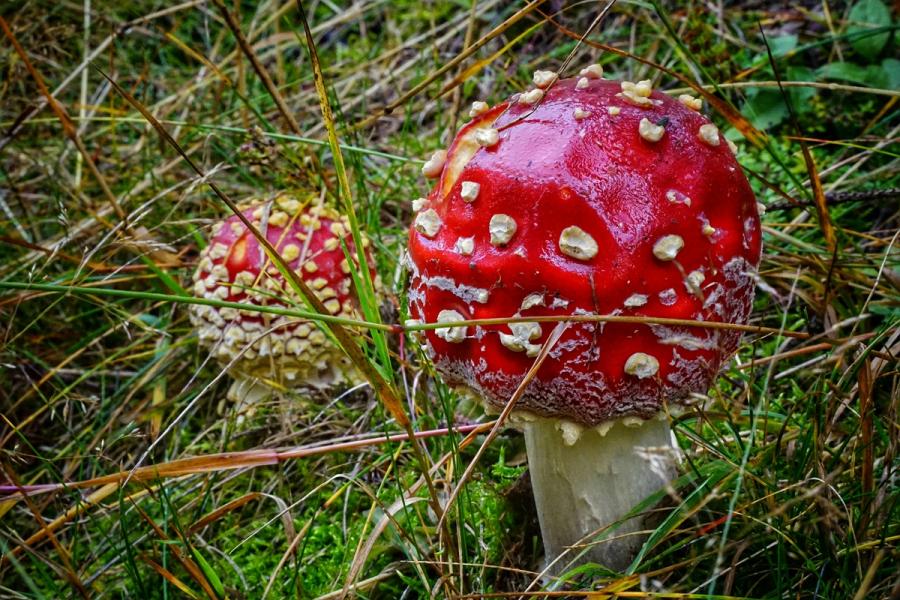
Poisonous wild mushrooms can cause liver failure, nervous system problems, or severe digestive illness. VCA's veterinarians distinguish them from edible grocery-store mushrooms, which are not usually a poisoning concern. Unidentified mushrooms in a yard or on a walk need urgent veterinary assessment.
Merck lists death cap and autumn skullcap mushrooms among those containing liver-damaging amatoxins. Signs usually begin 6–24 hours after ingestion, occasionally later. Fly agaric and panther cap can cause nervous system signs within 30 minutes to two hours.
False parasol mushrooms can cause digestive signs within 15 minutes to three hours. These are symptom-onset windows, not deadlines for seeking help. Mushrooms can be difficult to identify, so do not rely on appearance to decide whether an exposure is safe.
3. Chocolate

Chocolate's theobromine and caffeine can cause vomiting, heart rhythm problems, and seizures. Merck gives rough combined methylxanthine doses: mild signs around 20 mg/kg, heart effects at 40–50 mg/kg, and seizures at 60 mg/kg or more. Individual sensitivity and chocolate composition vary.
For a 10 kg (22 lb) dog, our calculations put the roughly 20 mg/kg benchmark at about 7 g of cocoa powder. Equivalent examples are about 20 g of a 65% cocoa bar or 87 g of milk chocolate, using Merck's concentrations. These are illustrations, not safe limits or a home test: call your vet after an exposure, whatever the amount.
The same piece delivers a larger dose per kilogram to a smaller dog, including the smallest dog breeds. Cocoa powder and baking chocolate are especially concentrated. White chocolate contains very little methylxanthine, but fatty chocolate products can still trigger pancreatitis in susceptible dogs.
2. Xylitol
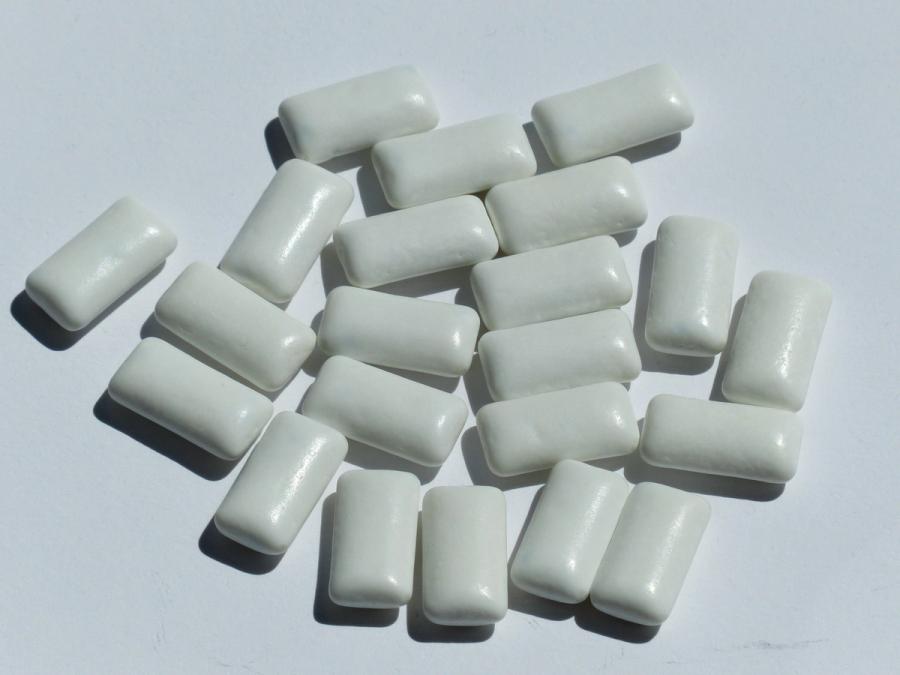
Xylitol can cause a rapid, dangerous fall in a dog's blood sugar. Merck associates doses above approximately 0.1 g/kg with low blood sugar and doses above 0.5 g/kg with liver failure in some dogs. These are risk estimates, not safe allowances.
The FDA says xylitol may also be called birch sugar or wood sugar. Check sugar-free gum, mints, baked goods, toothpaste, supplements, and some peanut or nut butters. Not every sugar-free product contains xylitol; the ingredient list matters.
Unlike in people, xylitol can trigger a strong insulin release in dogs, dropping blood sugar within 10–60 minutes. Effects can also be delayed for hours; FDA warns that some serious effects may take 12–24 hours to appear. Call a vet immediately if your dog may have eaten it.
1. Alcohol

Signs of alcohol poisoning generally begin within 30–60 minutes, according to Merck. Beer, wine, spirits, and other ethanol-containing products can cause vomiting, wobbling, low body temperature, and breathing problems. Severe poisoning can lead to seizures or coma.
Raw yeast dough presents a less obvious risk: fermentation produces alcohol inside the stomach. The ASPCA also warns that expanding dough and gas can cause dangerous bloating and possible stomach twisting. Keep both alcoholic drinks and rising dough away from dogs.
If your dog eats one of these
Call your veterinarian or an emergency clinic immediately, even if your dog seems normal. Keep the packaging and note the product, amount, time eaten, and your dog's weight. Do not induce vomiting or give home antidotes unless a veterinary professional directs you.
In the US, ASPCA Poison Control is available at (888) 426-4435, and Pet Poison Helpline at (855) 764-7661; fees may apply. If your dog is having seizures, struggling to breathe, or unconscious, go straight to an emergency veterinary clinic.
For other household hazards, see our guides to foods that are bad for cats and non-toxic indoor plants for homes with pets.
This is general information, not a substitute for advice from a vet.