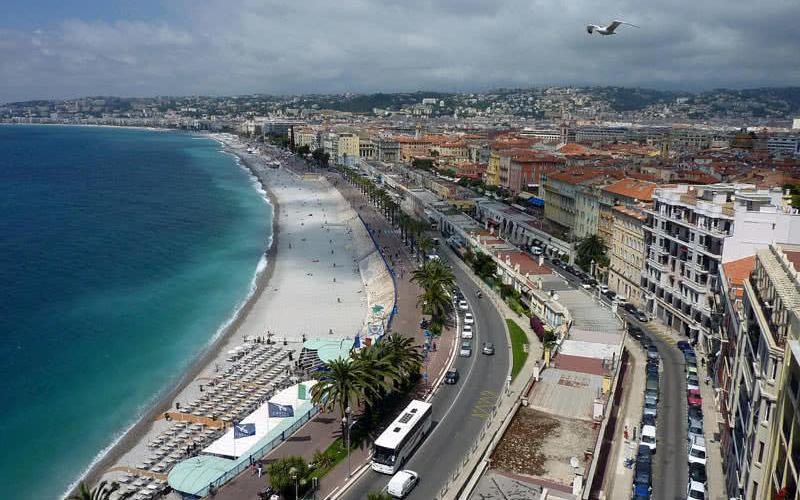
Port-au-Prince, Haiti, leads the 2025 ranking from Mexico’s Citizens’ Council for Public Security and Criminal Justice (CCSPJP). Its homicide rate is 197.43 per 100,000 people, compared with the bulletin’s global average of about 5.2. Six of the top ten places are in Ecuador.
These are citywide homicide rates, not a measure of every danger or the chance that a particular visitor will be harmed. Conditions vary between neighborhoods, and a ranking cannot describe everyone who lives in a city. Our safest cities in America article explores safety from another angle.
How we ranked this
The Mexican nonprofit CCSPJP compares intentional homicides per 100,000 residents in cities and metropolitan areas with at least 300,000 people. Its 2025 ranking excludes declared war zones and uses homicide totals and population estimates. Metropolitan boundaries differ from city limits, so figures from other rankings may not be directly comparable.
CCSPJP warns that Mexico’s official homicide figures may be unreliable, so the rates for Culiacán and Ciudad Obregón may be understated.
| No. | City / metropolitan area | Country | Homicides | Population | Homicides per 100,000 |
|---|---|---|---|---|---|
| 1 | Port-au-Prince (metro area) | Haiti | 6,185 | 3,133,000 | 197.43 |
| 2 | Babahoyo (metro area) | Ecuador | 527 | 317,436 | 166.02 |
| 3 | Nelson Mandela Bay | South Africa | 1,452 | 1,211,951 | 119.81 |
| 4 | Machala (metro area) | Ecuador | 693 | 594,081 | 116.65 |
| 5 | Quevedo (metro area) | Ecuador | 433 | 397,226 | 109.01 |
| 6 | Culiacán | Mexico | 1,086 | 1,045,017 | 103.91 |
| 7 | Manabí Centro (metro area) | Ecuador | 911 | 877,933 | 103.77 |
| 8 | Guayaquil (metro area) | Ecuador | 3,115 | 3,419,461 | 91.10 |
| 9 | Ciudad Obregón | Mexico | 306 | 336,776 | 90.81 |
| 10 | Esmeraldas (metro area) | Ecuador | 294 | 324,656 | 90.56 |
10. Esmeraldas, Ecuador (Homicides per 100,000: 90.56)

Esmeraldas ranks tenth with 90.56 homicides per 100,000 people. CCSPJP lists 294 killings across a metropolitan population of 324,656.
The Pacific port forms part of Ecuador’s wider struggle over drug-trafficking routes, described in El País’s reporting. Its identity also includes the Afro-Ecuadorian culture of the surrounding province.
In 2015, UNESCO recognized the province’s marimba music, chants and dances alongside traditions from Colombia’s southern Pacific coast.
9. Ciudad Obregón, Mexico (Homicides per 100,000: 90.81)
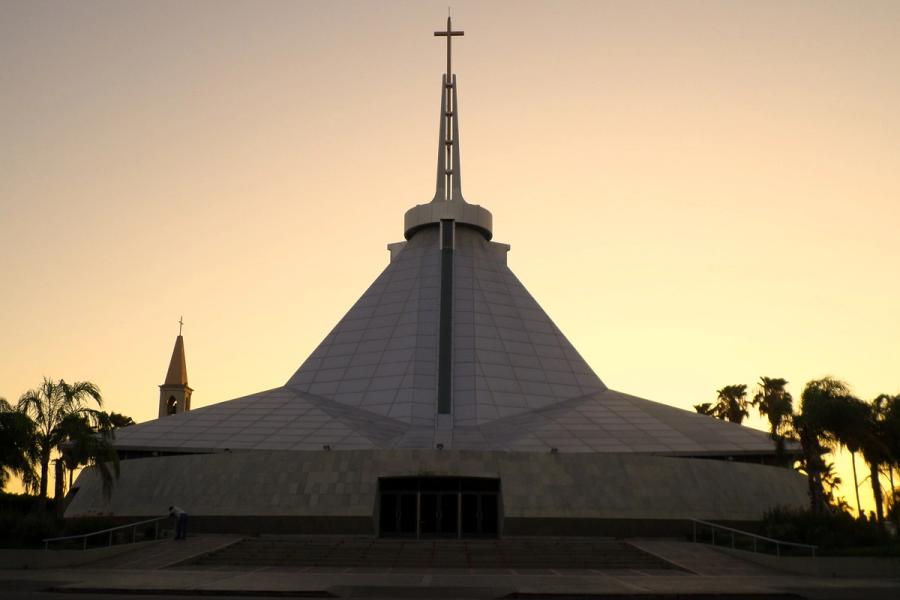
Ciudad Obregón has a homicide rate of 90.81 per 100,000 people. The ranking lists 306 killings and a population of 336,776.
It joins Culiacán as one of two Mexican cities in the top ten.
The city also houses MUSOR, the Museo Sonora en la Revolución. Its exhibits explore Sonora’s role in the Mexican Revolution, preserving a different chapter of the region’s history.
8. Guayaquil, Ecuador (Homicides per 100,000: 91.10)
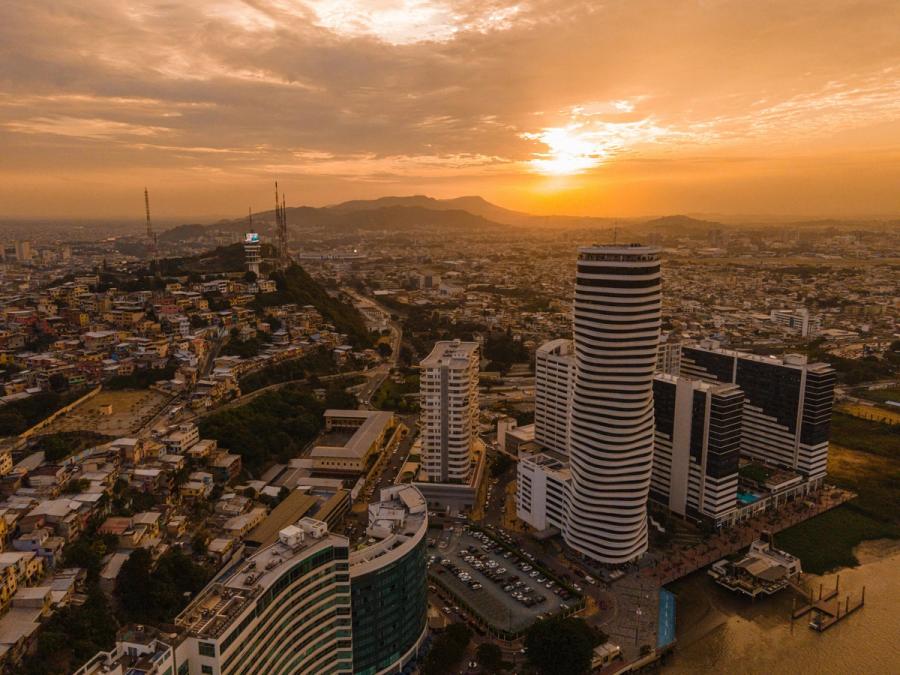
Guayaquil’s metropolitan area has a rate of 91.10 homicides per 100,000 people. The report lists 3,115 killings and 3,419,461 residents.
That is the second-largest homicide total in this top ten, after Port-au-Prince. Its much larger population puts its rate below those of several smaller Ecuadorian metropolitan areas.
Guayaquil’s life also centers on the Guayas River, the Malecón 2000 waterfront and Las Peñas. One unexpected city landmark is an iguana park, listed by Ecuador’s tourism board among its attractions.
7. Manabí Centro, Ecuador (Homicides per 100,000: 103.77)
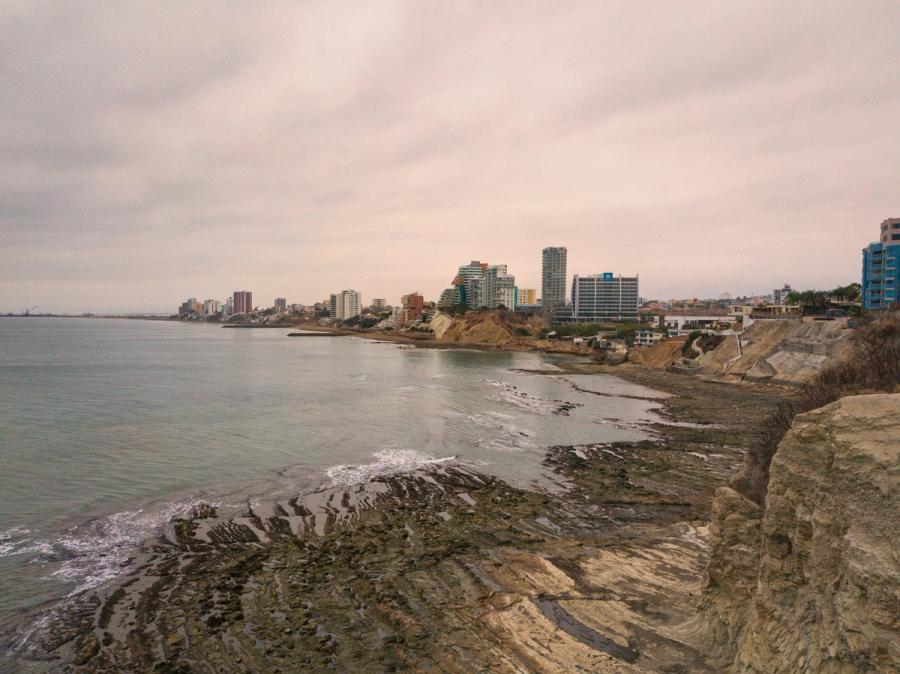
Manabí Centro’s metropolitan area has a homicide rate of 103.77 per 100,000 people. CCSPJP lists 911 killings among 877,933 residents.
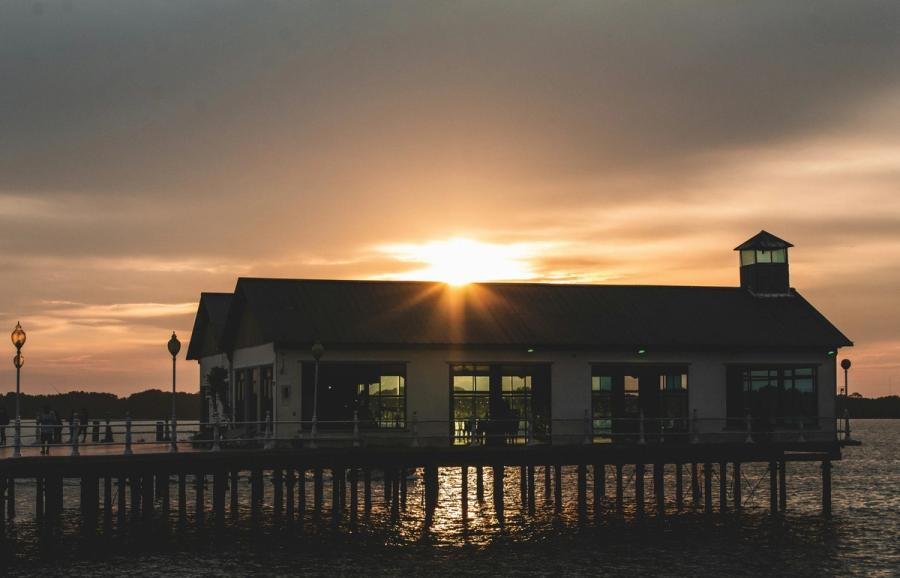
This entry covers central Manabí province, including Manta, rather than a single city called Manabí Centro. Its six cantons are Jaramijó, Manta, Montecristi, Portoviejo, Rocafuerte and Santa Ana. The photograph shows Manta’s waterfront within that area.
6. Culiacán, Mexico (Homicides per 100,000: 103.91)
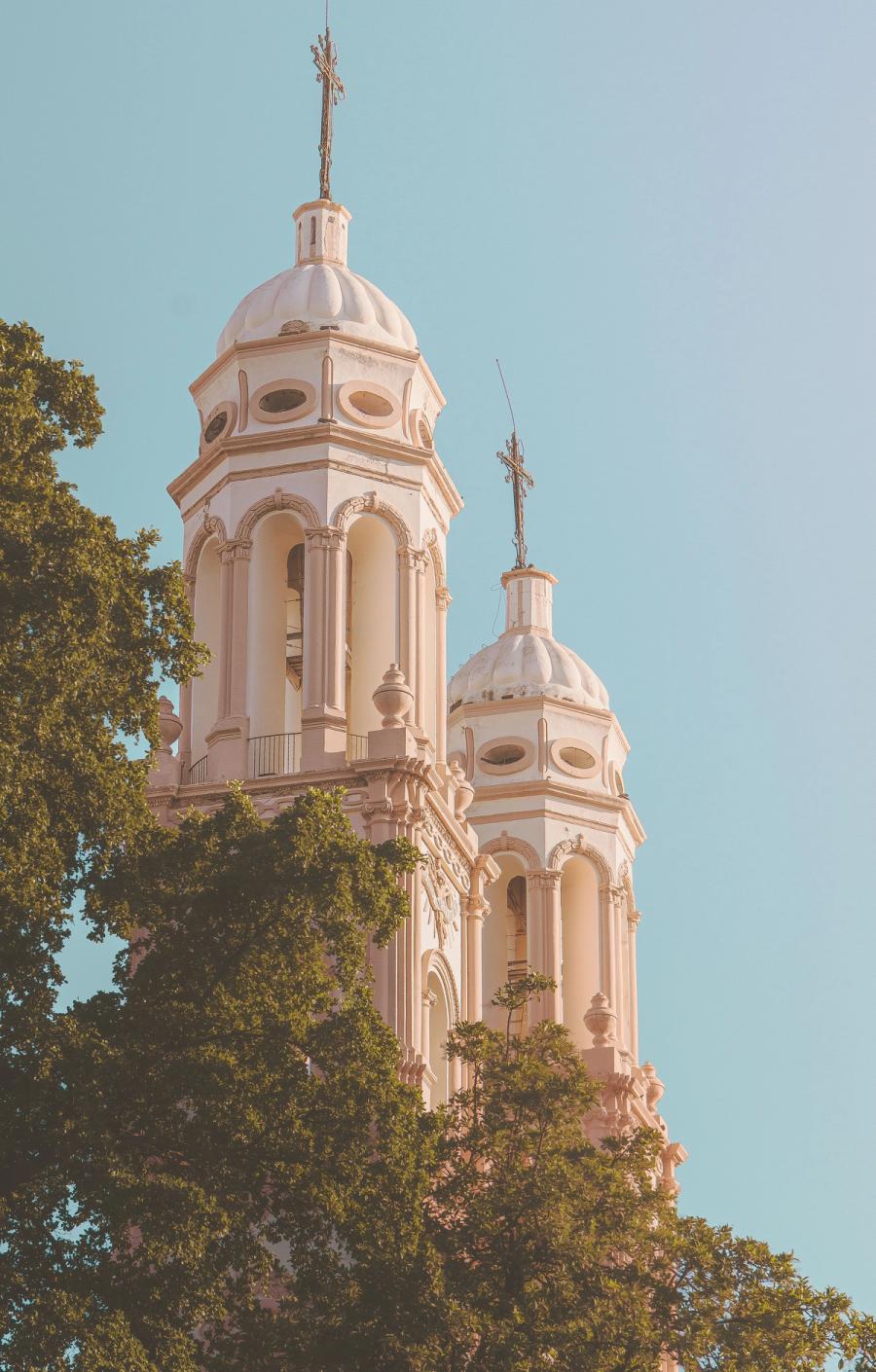
Culiacán has a rate of 103.91 homicides per 100,000 people. The ranking lists 1,086 killings and 1,045,017 residents.
Associated Press reported that fighting between rival Sinaloa cartel factions erupted in September 2024 and disrupted daily life. That conflict provides context for the city’s high homicide rate.
The cathedral pictured above belongs to a much older city story. According to the Culture Ministry record, construction began in 1842, and political upheaval delayed the work.
5. Quevedo, Ecuador (Homicides per 100,000: 109.01)
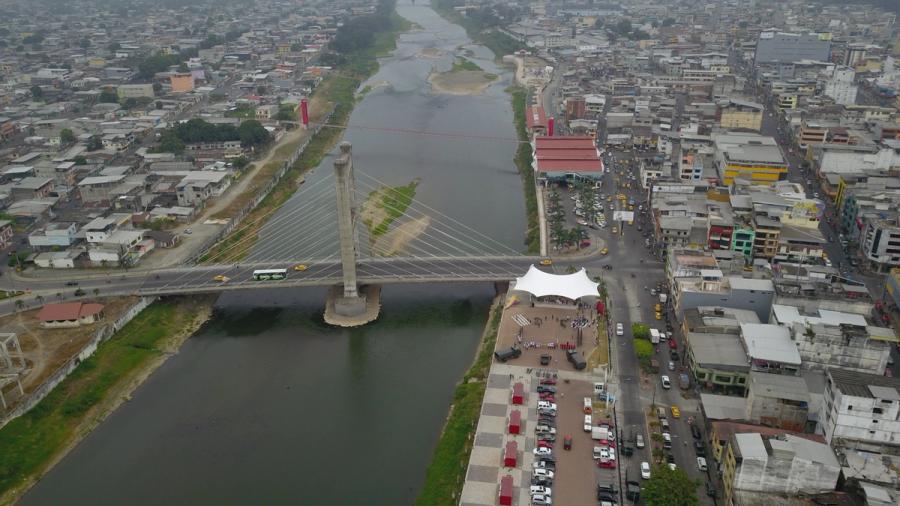
Quevedo’s metropolitan area has a rate of 109.01 homicides per 100,000 people. The report counts 433 killings among 397,226 residents.
The city is part of the Los Ríos region, where El País documented kidnapping and extortion alongside trafficking-route disputes. These pressures extend beyond coastal ports into agricultural and trading communities.
The Quevedo River runs through a city shaped by commerce, farming and livestock. Its name honors land surveyor Timoteo Quevedo, according to the municipal history.
4. Machala, Ecuador (Homicides per 100,000: 116.65)
Machala’s metropolitan area has a rate of 116.65 homicides per 100,000 people. CCSPJP lists 693 killings and 594,081 residents.
The city lies in El Oro, another province where reporting has traced expanding trafficking networks.
Machala is also tied to Ecuador’s banana trade: fruit leaves through Puerto Bolívar. The national tourism board highlights that export connection and the region’s banana and shrimp production.
3. Nelson Mandela Bay, South Africa (Homicides per 100,000: 119.81)
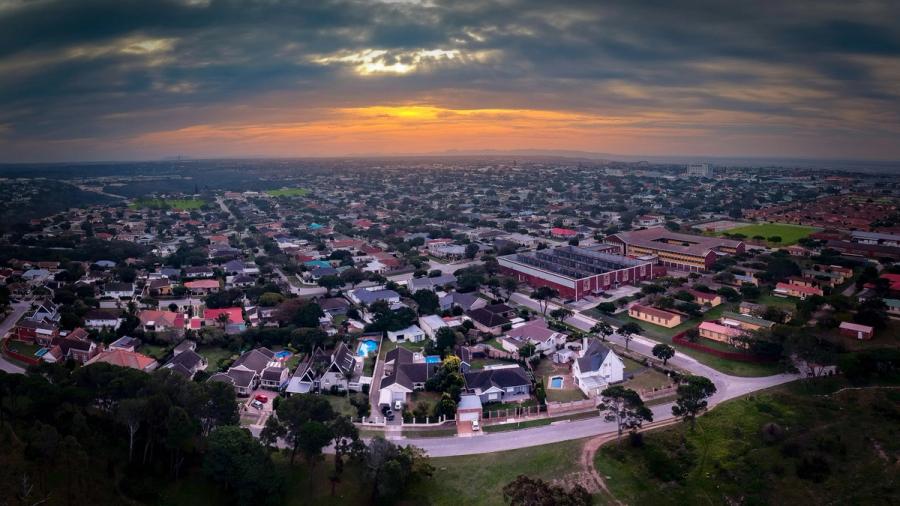
Nelson Mandela Bay has a homicide rate of 119.81 per 100,000 people. The ranking lists 1,452 killings and a population of 1,211,951.
South Africa’s Parliament examined gang violence in Nelson Mandela Bay in 2025, particularly its effects on communities in the Northern Areas. The photograph shows Gqeberha, formerly Port Elizabeth.
The city’s Route 67 public-art project tells another part of its story. Its 67 artworks commemorate Nelson Mandela’s 67 years of work for South Africa’s freedom.
2. Babahoyo, Ecuador (Homicides per 100,000: 166.02)
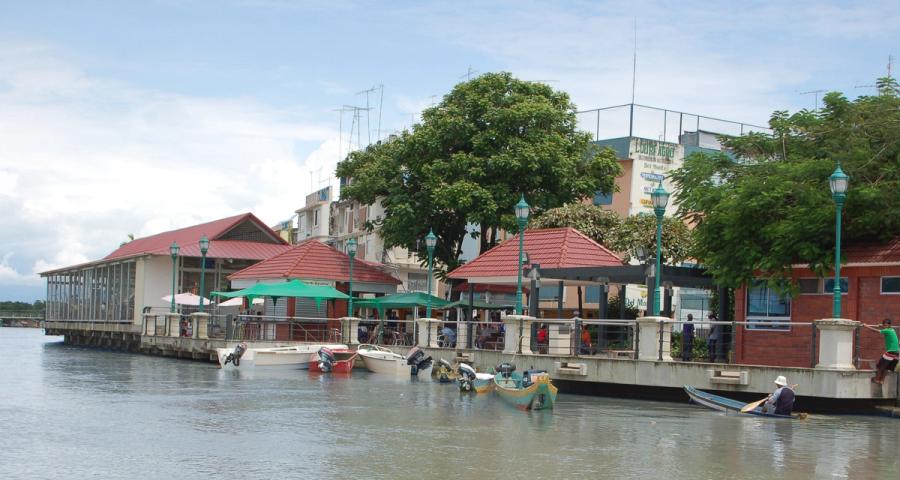
Babahoyo’s metropolitan area ranks second with 166.02 homicides per 100,000 people. The report lists 527 killings among 317,436 residents.
The capital of Los Ríos sits within the agricultural and commercial region affected by kidnapping, extortion and trafficking-route disputes. Its reported population is much smaller than Guayaquil’s, making each killing count more heavily in the rate.
Babahoyo’s trading history appears in its old name, Bodegas, meaning warehouses. The city’s history links that name to customs facilities and stores serving trade between the coast and highlands.
1. Port-au-Prince, Haiti (Homicides per 100,000: 197.43)
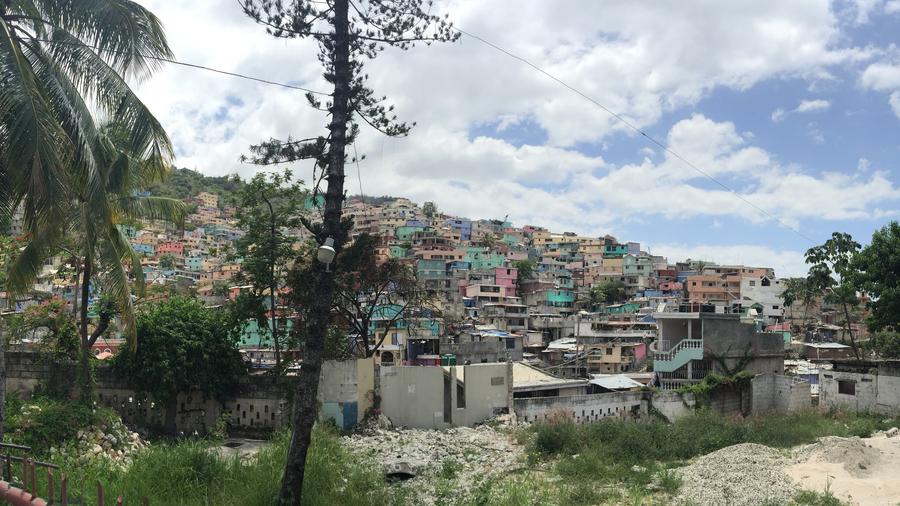
Port-au-Prince’s metropolitan area ranks first with a rate of 197.43 homicides per 100,000 people. CCSPJP lists 6,185 killings and a population of 3,133,000.
In July 2025, a UN human rights report warned that gang violence was spreading beyond the capital along key routes. It described civilians caught between gangs, security forces and armed self-defense groups.
The city’s architectural history includes the Marché en Fer, or Iron Market, whose metal structure was manufactured in France. The photograph shows hillside homes viewed from Pétion-Ville in 2015.
For travel decisions, check current government travel advisories and local guidance rather than relying on this ranking alone.
For broader comparisons, see the most peaceful countries in the world and the most liveable cities in the world. Those lists use different measures and should not be read as travel advice.